
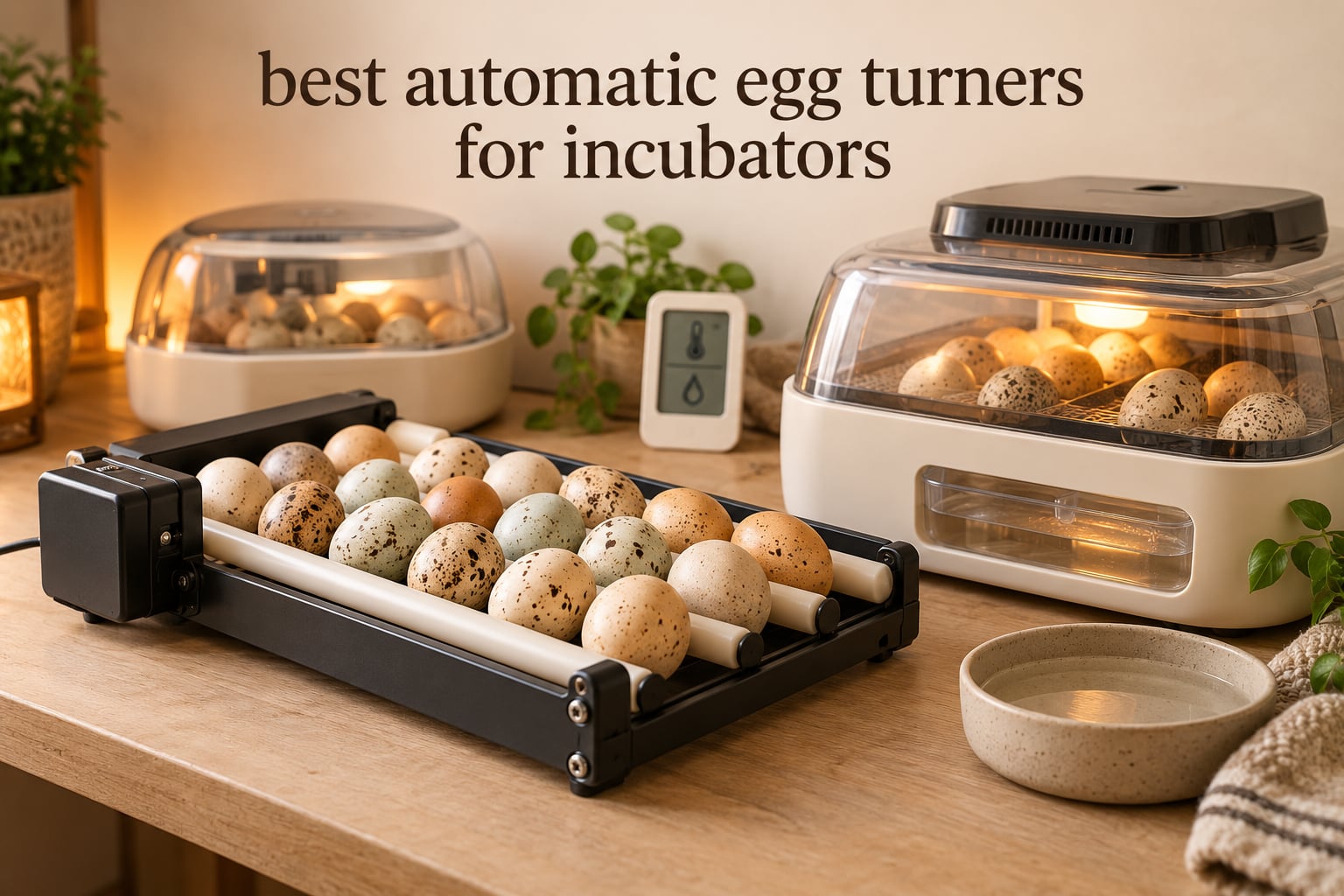
Most egg incubators ask one question of you every single day for three weeks: have you turned these yet? That question is the reason automatic egg turners exist, and it is the reason the best automatic egg turners for incubators have become the first upgrade almost every new hatcher buys. A turner removes roughly 60 to 100 hand-turning sessions per cycle, and it stops you cracking the seal on the chamber every time you answer.
An automatic egg turner is a small motorized mechanism that rolls, rocks or tilts the whole egg tray on a fixed interval. Some are sold as bare add-on modules that drop into an existing incubator, and others are built into a complete incubator that also handles temperature, humidity and candling. We looked at both kinds, because the right answer depends on whether you already own a working incubator.
We spent weeks reading owner reports across these 12 units and comparing turn intervals, capacities, egg sizes, auto shut-off behavior and warranty coverage. Our findings: the big decision is not brand, it is tray footprint. A turner that is 2 centimeters wider than your tray will not work, no matter how good its motor is. Beyond that, the useful differences come down to turning interval, whether the unit stops on its own before hatch, and how many eggs it actually carries. If you are also building out the coop, our guide to automatic chicken coop door openers covers the other half of hands-off poultry keeping.
Table of Contents
Are Automatic Egg Turners Worth It?
Yes, for most home hatchers. An automatic egg turner earns its place the moment you have more than a dozen eggs, because disciplined hand-turning takes three to five deliberate sessions a day for 21 days straight.
It removes 60 to 100 hand-turning sessions per 21-day chicken cycle.
You stop opening the lid, which protects temperature and humidity inside the chamber.
Clean hands stay clean. You no longer touch eggs that may carry fecal matter.
Turning happens consistently at the same interval, which some keepers credit with more even hatches.
It frees you to travel or work through a full cycle without arranging a sitter.
It is a cheap insurance policy against the one thing that ruins a batch: neglected turning.
The honest counter-argument comes from experienced keepers who hand-turn everything, including goose eggs, and get strong results. BackYard Chickens threads on goose eggs keep returning to the idea that large eggs are better hand-turned. That camp is not wrong. But they are typically turning 20 to 40 eggs twice a day, and they are doing it for three weeks without a missed day.
Our verdict: if you can commit to manual turning with real discipline, you do not need a turner to get good hatches. If your schedule has any holes in it, an automatic egg turner converts a fragile routine into a set-and-forget one.
How Automatic Egg Turners Work
An automatic egg turner uses a low-voltage motor and gear drive to move the entire egg tray through roughly 45 to 90 degrees, then return it to level. Most standalone turners complete a full rotation cycle every 4 hours, which works out to six cycles a day. Incubator-style turners built into small dome units are faster, turning every 60, 120 or 180 minutes, and some let you choose the interval.
The goal is simple. The yolk needs to stay centered and the embryo needs contact with the shell membrane for gas exchange. Eggs that sit in one position too long settle against one side, and settled embryos are weaker hatchers.
Turning stops before hatch
Every quality turner has a shut-off. Three days before the hatch date the tray should stop moving so chicks settle into position and the eggs stay level. Most of the models here stop on their own, and the ones with a removable tray expect you to pull it at lockdown. Verify the behavior before you set eggs, because a turner that keeps working through hatch can jostle a pipping egg and chill the chamber.
Tilting trays versus rolling rails
Standalone modules like the Hova-Bator GQF and the Little Giant rocker tilt the whole tray. Dome incubators usually roll the egg cups along rails or spin a tray side to side. Rolling is gentler on the eggs but takes more horizontal floor space. Tilting works in a shallower box. Neither is wrong, but a tilting rack needs vertical clearance above the tray, which is the reason some units do not fit under a low cabinet lid.
Top 3 Picks for Best Automatic Egg Turners for Incubators in 2026
KEBONNIXS 12 Egg Auto-Stop Incubator
- Auto-stop turner 3 days pre-hatch
- Built-in humidity display and candler
- Induced fan airflow


MATICOOPX 20 Egg Incubator
- Turns every 60 minutes
- Auto-stop before hatch
- External water refill
The 12 Best Automatic Egg Turners for Incubators in October
We ranked these 12 units on the things that actually decide whether a hatch works: turn interval, auto shut-off, capacity, egg-size fit and build quality reported by owners. Use the table below to narrow the field, then read the full review for your species and tray size.
| Product | Specs | Action |
|---|---|---|
| KEBONNIXS 12 Egg Auto-Stop Incubator |
|
Check Latest Price |
| Little Giant 41 Egg Automatic Turner |
|
Check Latest Price |
| MATICOOPX 20 Egg Incubator |
|
Check Latest Price |
 Hova-Bator GQF Universal Turner Hova-Bator GQF Universal Turner |
|
Check Latest Price |
 Harris Farms Nurture Right 360 Harris Farms Nurture Right 360 |
|
Check Latest Price |
 Farm Innovators 3200 Turner Farm Innovators 3200 Turner |
|
Check Latest Price |
 Apdoe 12 Egg Incubator Apdoe 12 Egg Incubator |
|
Check Latest Price |
 Onsju 18 Egg Incubator Onsju 18 Egg Incubator |
|
Check Latest Price |
 Sailnovo 56 Egg Incubator Sailnovo 56 Egg Incubator |
|
Check Latest Price |
 TRIOCOTTAGE 12 Egg Incubator TRIOCOTTAGE 12 Egg Incubator |
|
Check Latest Price |
 IBKINXX 18 Egg Incubator IBKINXX 18 Egg Incubator |
|
Check Latest Price |
 Farm Innovators 41 Egg Digital Incubator Farm Innovators 41 Egg Digital Incubator |
|
Check Latest Price |
1. KEBONNIXS 12 Egg Incubator with Auto-Stop Turner – Best Overall
KEBONNIXS 12 Egg Incubator with Humidity Display, Egg Candler, Automatic Egg Turner, for Hatching Chickens
12 egg capacity
Auto-stop turning 3 days before hatch
11.4 x 10.2 x 6.7 inches
Pros
- Auto-stop turner halts 3 days before hatch
- Built-in humidity display and egg candler
- Induced fan airflow holds temperature steady
- External water fill port avoids lid opening
Cons
- Humidity reading runs inaccurate in some rooms
- Exposed metal on the turner can rust
- Digital menu beeps on every button press
The KEBONNIXS KDI-12 has the largest body of owner feedback of anything we looked at, with more than 5,400 reviews. That matters in a category where most listings sit under 100 reviews, because the humidity and turner quirks below are well documented rather than guesswork.
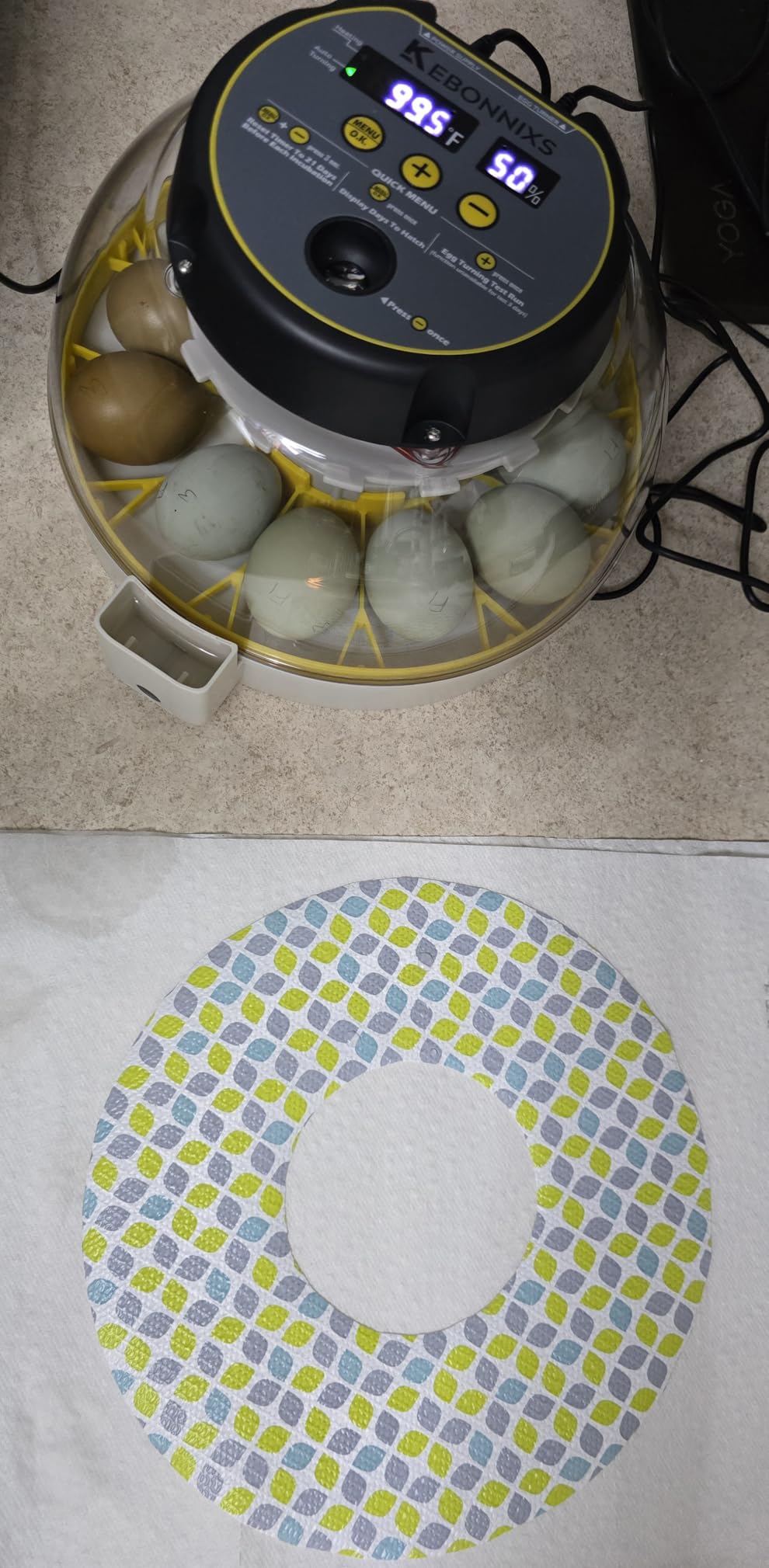
What sold us is the auto-stop turner. It halts three days before hatch on its own, so you never have to remember lockdown, and the built-in humidity display plus candler cover the two other tasks that usually send beginners opening the lid. Owners frequently report 8 to 10 chicks from 12 eggs.
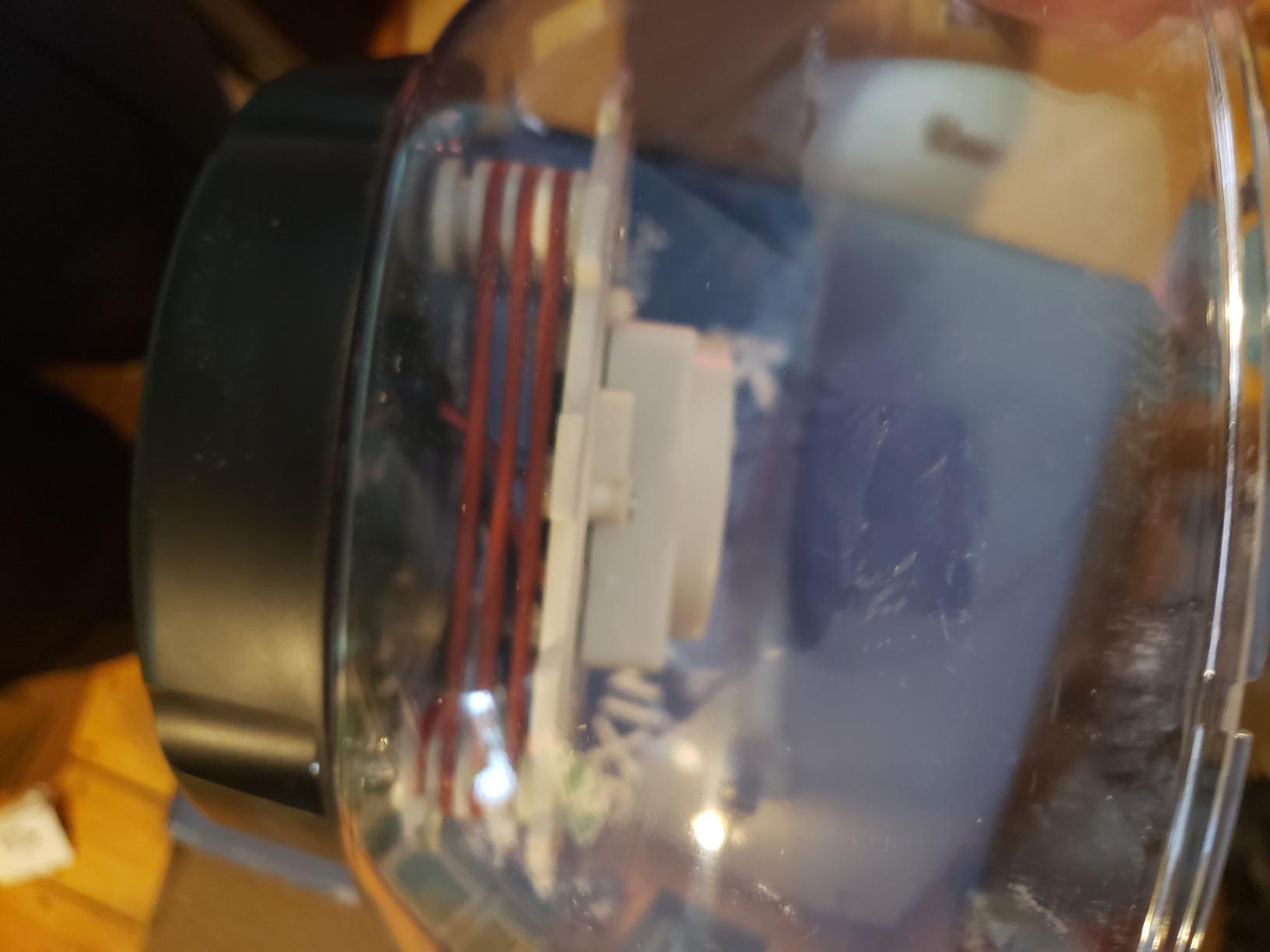
Specs are honest for the class. It measures 11.4 by 10.2 by 6.7 inches and weighs 3.67 pounds, with a circulating fan driving induced airflow. Rated 4.4 stars across 5,456 reviews, with 74 percent at five stars.
The weak points are real. The humidity display drifts with ambient conditions, so calibrate against a separate hygrometer, and the exposed metal on the turning mechanism can rust if the chamber stays damp. The dome also has no handle, which makes moving a unit with newly hatched chicks awkward.
What convinced us
Automatic shut-off before hatch is the single most useful feature in a small incubator, and this unit has it. That removes the highest-risk mistake in the whole process: forgetting to stop turning.
Where it falls short
Twelve eggs is a small batch, and the humidity display is the part we would not trust alone. If your room is very dry or very damp, buy a cheap hygrometer and use it as the real reading.
2. Little Giant 41 Egg Automatic Turner – Top Rated Standalone Unit
Little Giant® Automatic Egg Turner | 41 Eggs | Equipment for Incubating Large Eggs | Hatching Chicks
41 large egg cups
7 cups per rail
15.25 x 3 inch footprint
Pros
- Highest standalone capacity in this roundup
- Dishwasher-safe egg cups
- Fits Little Giant circulated-air and still-air units
- No assembly required
Cons
- Quail rails sold separately
- Only fits Little Giant incubator models
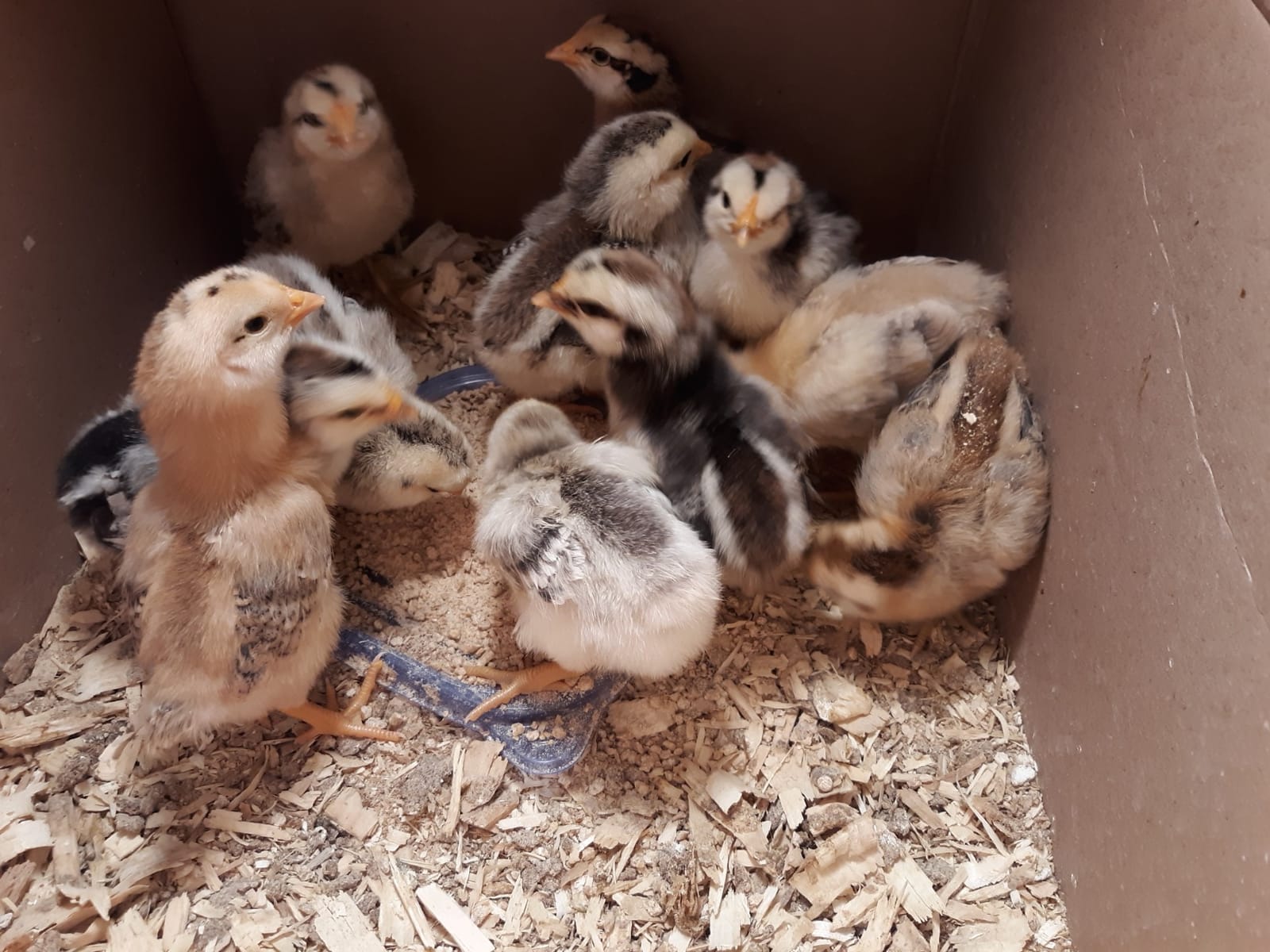
If you already own a Little Giant incubator, this is the cleanest retrofit in the category. The rocker design tilts the whole rack, holds 41 large chicken egg cups at 7 cups per rail, and needs no assembly at all. You seat the rails and plug it in.
Reviewers consistently rate it at 4.6 stars across 494 reviews, with 82 percent at five stars, and the recurring theme is how quietly it disappears into the routine. Dishwasher-safe cups mean cleanup is not a chore. At 4.16 ounces and 15.25 by 3 inches, it is also the lightest unit here.
The catch is compatibility. The listing states it fits any Little Giant circulated-air or still-air incubator, and owners confirm it works, but it is not a universal fit. Quail rails are a separate purchase, so if you run game birds you will want those too.
Who should buy this
Anyone with a Little Giant cabinet who wants one component that does one job well. It is the rare add-on where the manufacturer has spent decades on the same mechanism.
Who should skip it
If your incubator is not a Little Giant, or if quail eggs are your main volume, the rail limitation costs you more than this unit saves. Check your incubator brand first.
3. MATICOOPX 20 Egg Incubator with Hourly Turning – Best Value
MATICOOPX 20 Egg Incubator with Humidity Display, Egg Candler, Automatic Egg Turner, for Hatching Chickens
20 egg capacity
Turns every 60 minutes
Auto-stop 3 days pre-hatch
Pros
- Fastest turning interval in this roundup at 60 minutes
- Turner stops three days before hatching
- External water refill
- Built-in egg candler
- Backed by a one year warranty
Cons
- 20 egg chamber limits large duck or goose eggs
- Basic controls compared with premium digital units
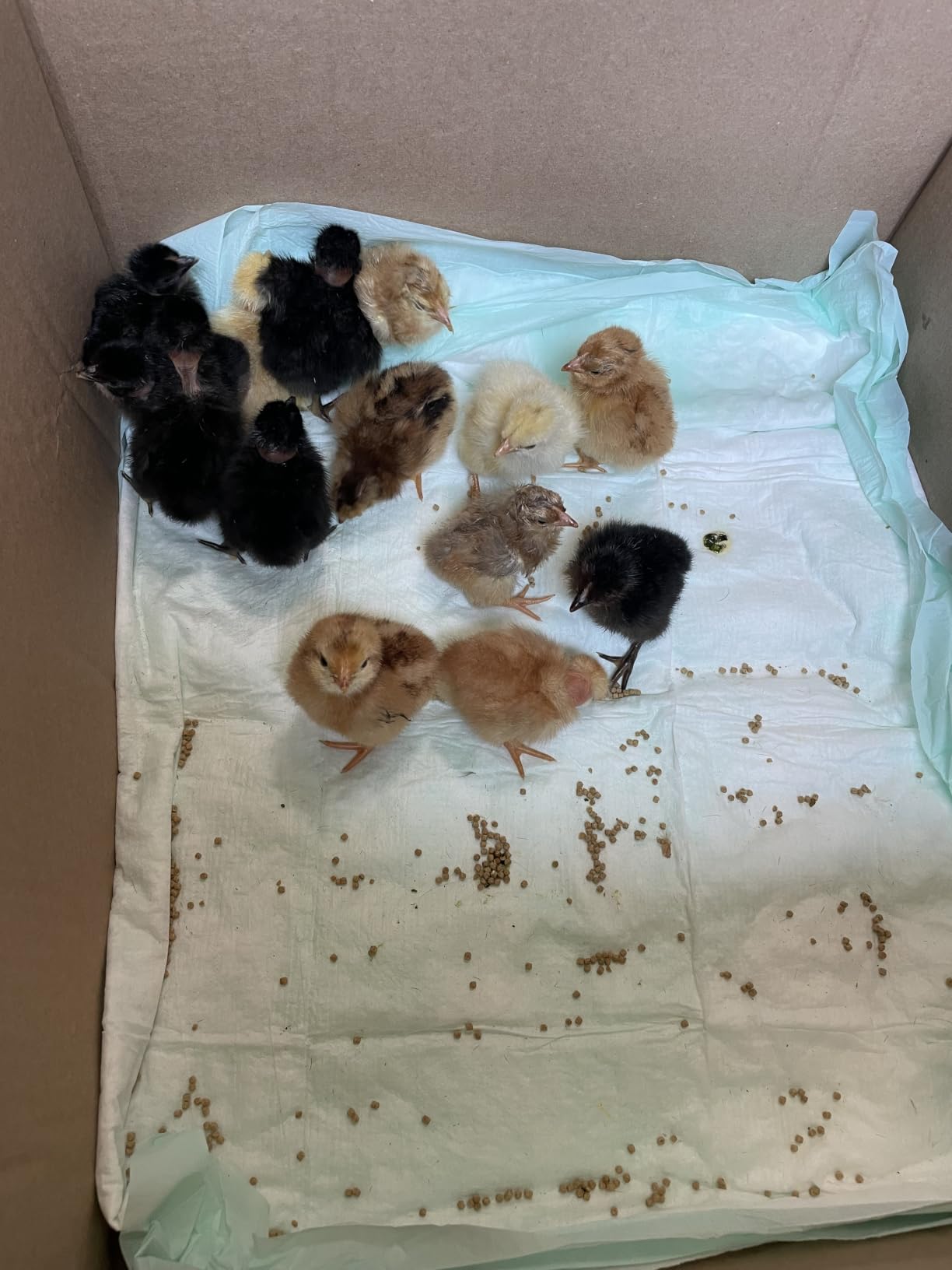
The MATICOOPX MEI-20 is the pick for anyone who wants more turning than a 4-hour module gives you without moving to a premium cabinet. It turns the eggs side to side every 60 minutes and can auto-stop three days before hatching.
Owners highlight the external water refill port most. Refilling without lifting the lid removes the biggest cause of temperature and humidity swings in dome incubators. At 4.5 stars across 923 reviews with 80 percent at five stars, it is one of the better-rated units in the group.
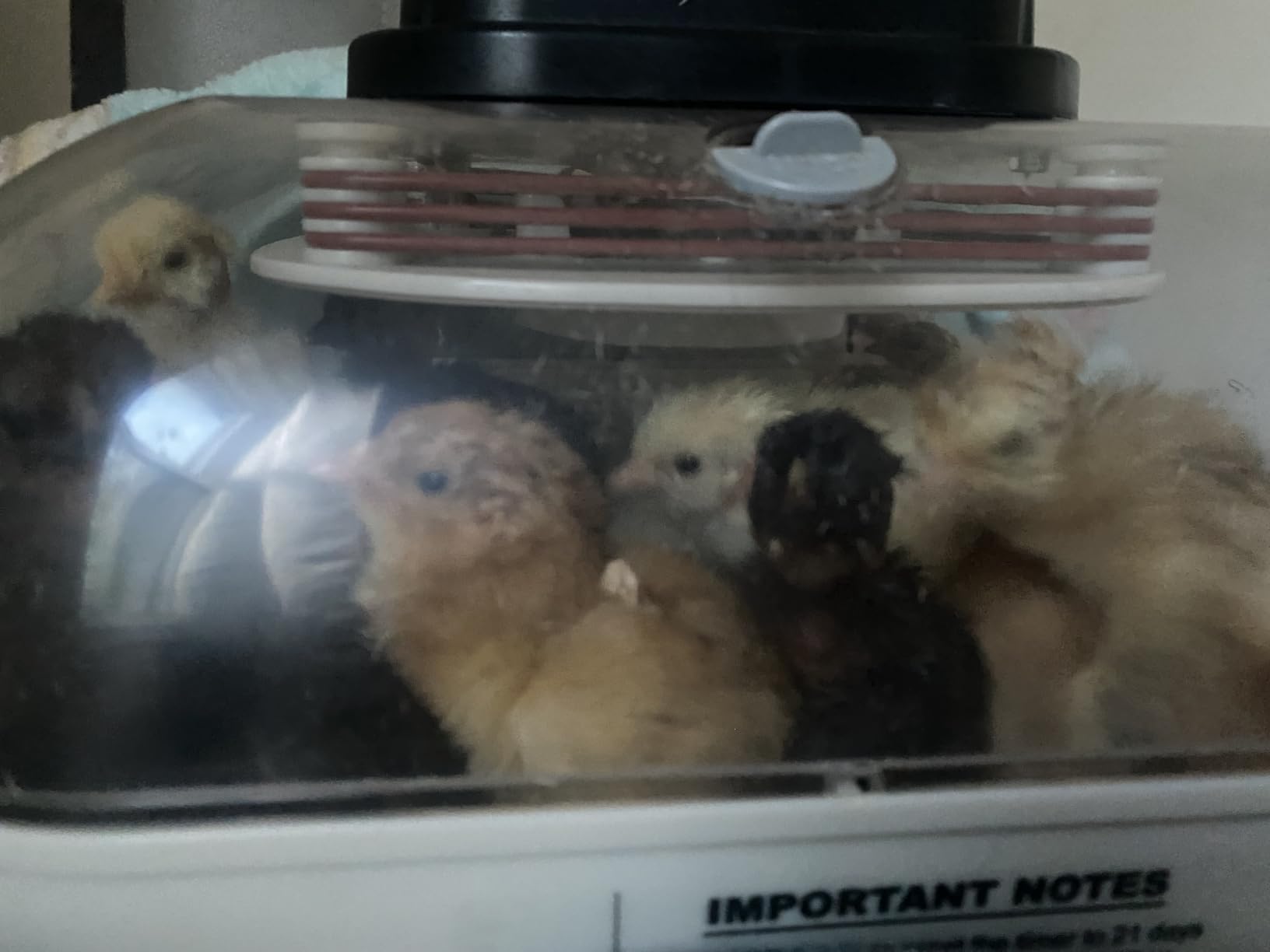
It weighs 6.8 pounds and runs a circulating fan for stable chamber temperature. The controls are more basic than a premium digital incubator, and 20 eggs is not enough if you are working with large duck or goose eggs, which need both space and a deeper tray.
The case for hourly turning
Turning every 60 minutes is closer to what a hen does naturally than a 4-hour cycle. If your previous batches stalled early, the shorter interval is the change most likely to help.
The limit to know about
Capacity and egg size are linked. Twenty standard slots will not translate into twenty goose eggs, so plan on this for chickens, bantams and quail rather than large waterfowl.
4. Hova-Bator GQF Universal Turner – Best for Hova-Bator Incubators
Hova-Bator GQF Automatic Egg Turner – Quail to Duck Egg
Holds six racks
41 eggs per turner
38.6 x 40.89 x 8.12 inches
Pros
- Works with all HovaBator incubators
- Universal racks fit partridge through duck eggs
- Quail racks hold up to 120 eggs
- Responsive manufacturer support
Cons
- Plastic flashing may need sanding
- Quail cups tight for large Coturnix eggs
- Connector arm can break
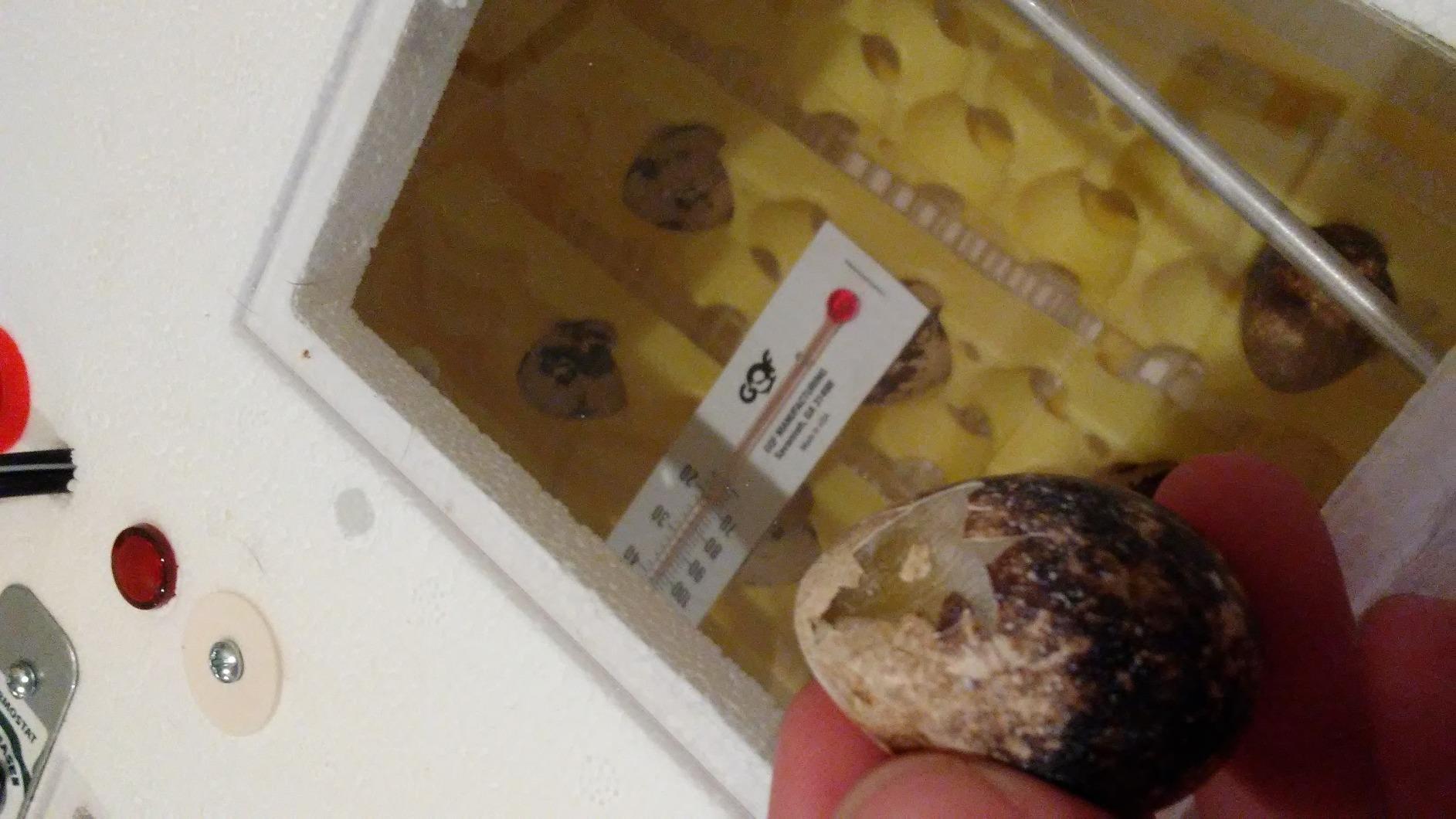
Hova-Bator is the most-repeated trusted brand across keeper forums we reviewed, and the GQF universal turner is the reason. It holds six racks, and each universal rack takes anything from a partridge egg up to a duck egg, for 41 eggs per turner. Additional quail racks expand that to 120 quail eggs.
Owners report it removes most of the daily labor and that the tilt-style turning can produce full hatch rates. It carries a 4.4 average across 337 reviews. Manufacturer support is repeatedly praised for replacing damaged units.
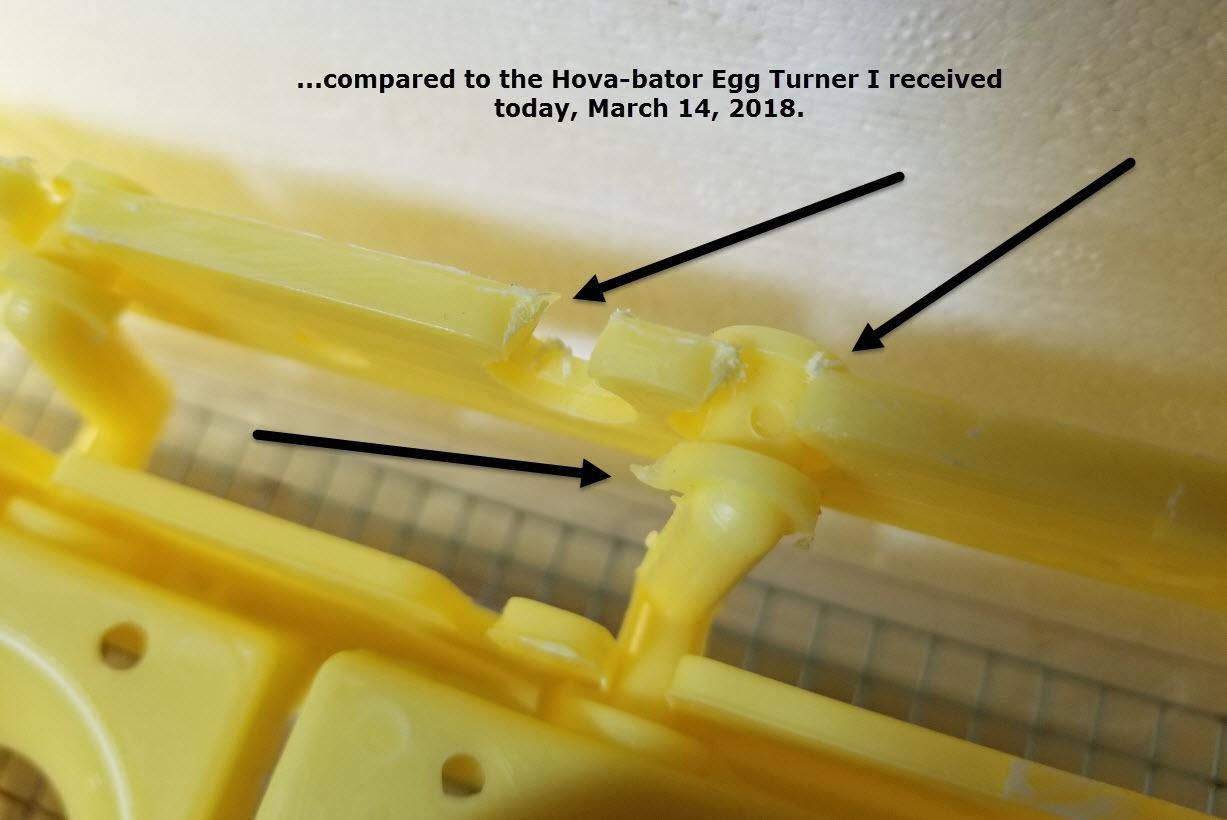
There is no getting around the finish quality complaints. Excess plastic flashing on the mold seams needs sanding before first use, and the plastic connector arm is a known weak point that can let trays flip. Larger Peking-size duck eggs will not fit the big cups, which undercuts the word universal for some readers.
Why Hova-Bator keeps coming up
It is a decades-old name in forced-air incubation, and the rack system has been refined over many hatch seasons. Swapping between species is just a different rail.
The rough edges
Sand the seams before you set eggs, and inspect the connector arm before every cycle. If your eggs are large Peking duck size, check clearance first.
5. Harris Farms Nurture Right 360 – Premium Pick for Multiple Species
Harris Farms Nurture Right Egg Incubator with Auto Turner, Holds 22 Eggs
Up to 22 chicken eggs
12 to 18 duck eggs
360 degree viewing
Pros
- Handles chicken duck and pheasant eggs in one unit
- Auto turn with stop three days before hatch
- 360 degree induced airflow and viewing
- Readable humidity display and knob
Cons
- Costs more than small plastic dome units
- Controls lack granular programmability
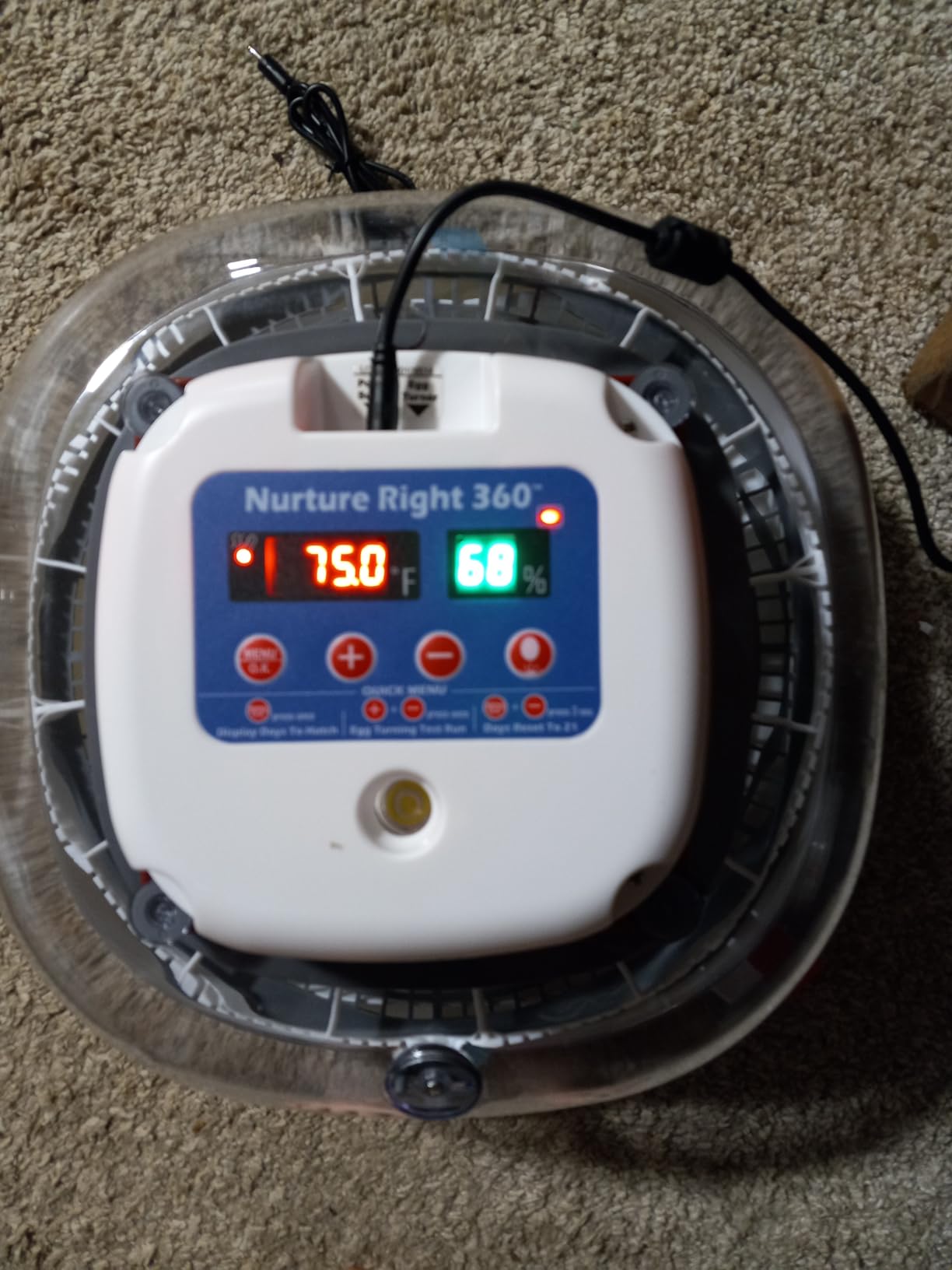
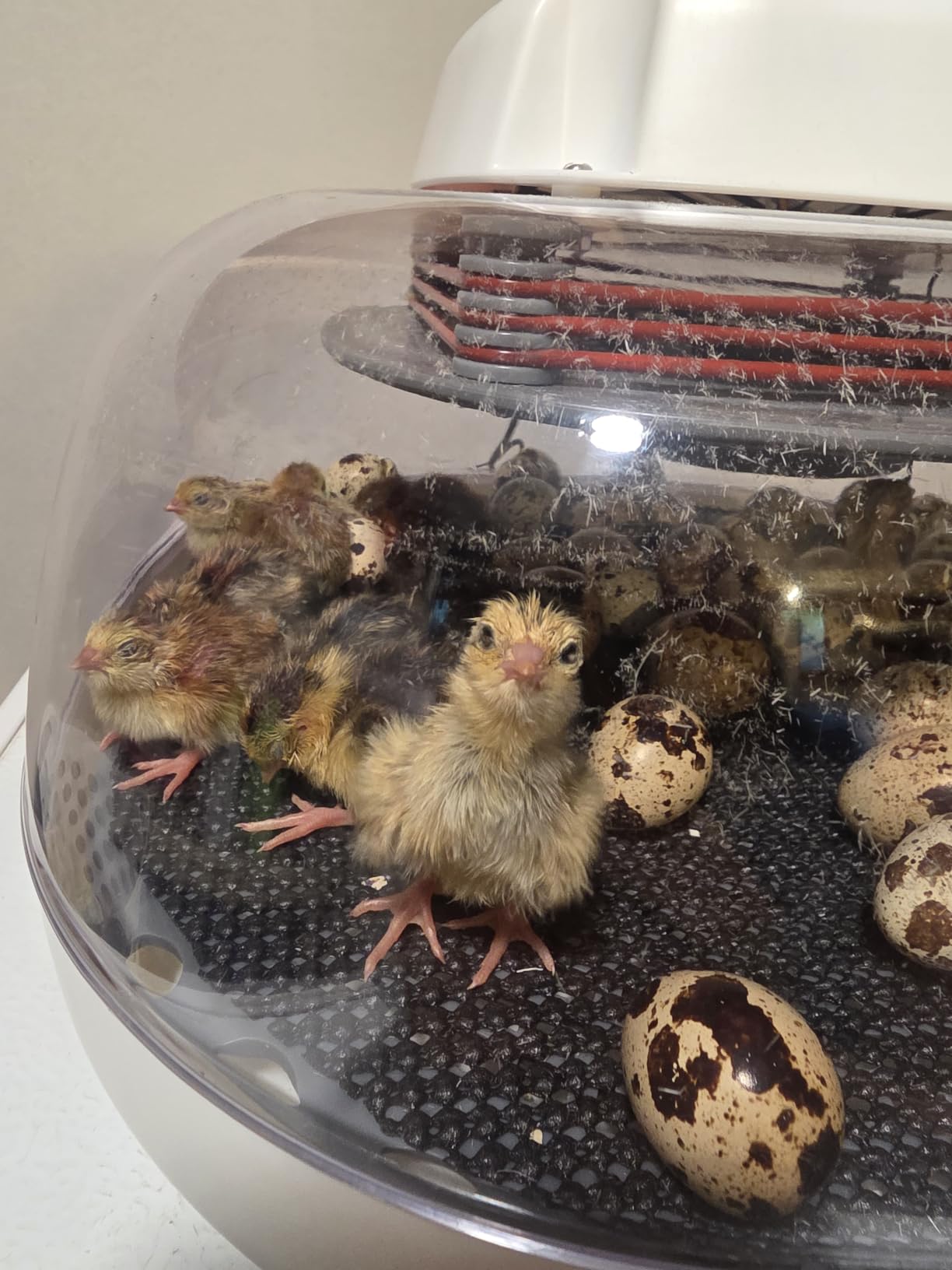
The Nurture Right 360 is the one we recommend when a household is not running a single species. It holds up to 22 chicken eggs, 12 to 18 duck eggs and 22 to 24 pheasant eggs, so you can work through a mixed batch without buying a second incubator.
The turn-and-stop system halts three days before hatching, and 360 degree induced airflow spreads heat evenly so no corner runs cold. With more than 5,200 reviews at a 4.3 average, there is a large pool of real batches to learn from.
Ratings soften a little because of a 10 percent one-star share tied to durability and control granularity. The controls are simpler than a high-end digital incubator, and it costs meaningfully more than a plastic dome unit, which is a fair trade only if you are incubating more than one species.
Best for mixed-species batches
Multi-species capability is the whole argument here. If you only ever set chicken eggs, a cheaper dome unit does the same job.
Best avoided if budget is tight
Entry-level controls mean you set conditions by hand rather than by program. For a first-time hatcher on a small flock, that is more control than you need.
6. Farm Innovators 3200 Turner – Four-Hour Rotation Cycle
Farm Innovators 3200 Automatic Egg Turner for Incubators, 41 Eggs
Full cycle every 4 hours
41 egg capacity
2.4 pounds
Pros
- Full rotation cycle every 4 hours
- Rails snap out and are dishwasher safe
- Quiet motor under incubator fan noise
- Thermometer included
Cons
- Made for Farm Innovators 2100 and 2200 chambers
- Quail trays sold separately
- Large duck eggs can stall the motor
The Model 3200 is the most widely recommended dedicated turner in this group. It sits in the bottom of the chamber, plugs in, and rotates the tray through a full cycle every 4 hours, which is 6 cycles across a day. Forty-one large egg cups handle chicken and duck eggs.
It holds a 4.6 average across 379 reviews with 83 percent at five stars, and owners repeatedly credit an improvement in hatch rate after switching from hand turning. Egg rails snap out for washing, and a thermometer is included in the box. It weighs 2.4 pounds.
The fit is specific: it is made for Farm Innovators 2100 and 2200 incubators. Some owners report it also sits in Little Giant and Hova-Bator style chambers, but that is owner report rather than a manufacturer claim, so measure your tray footprint before ordering. A few users also report the motor stalling if very large duck eggs are loaded tightly.
Why six cycles a day works
A 4-hour interval is the most common design in standalone turners, and it lines up well with a manual schedule of three to five turns. Any of those is well inside the safe range.
Watch the clearance
Measure your tray and confirm vertical headroom for the tilt. If you hatch large duck eggs, leave gaps between cups so the rail never binds.
7. Apdoe 12 Egg Incubator – Most Versatile with Two-Hour Turning
APDOE Egg Incubators for Hatching Eggs, Temperature and Humidity Control, Automatic Egg Turning, Egg Candler, External Water Bottle, Air Vent, for Chicken, Duck & Quail Eggs, 12 Eggs
Turns every 2 hours
12 egg capacity
10 x 10 x 5.5 inches
Pros
- Automatic turning every 2 hours
- Removable tray makes lockdown transition fast
- External water bottles need 1 to 2 refills per cycle
- Three year limited warranty with lifetime support
Cons
- Humidity swings with room conditions
- Built-in candling light is dim
- No dishwasher cleaning
The Apdoe 12 turns eggs every 2 hours and uses a removable tray that makes the move to lockdown quick. At 10 by 10 by 5.5 inches and 3.5 pounds, it is one of the most compact footprints here, which makes it a fit for classroom benches and small hobby rooms.
It carries a 4.3 average across 1,441 reviews, and owners report turning-specific results such as 12 of 13 and 7 of 12 on first attempts. The 30-day money-back guarantee and three year limited warranty are among the strongest coverage terms here.
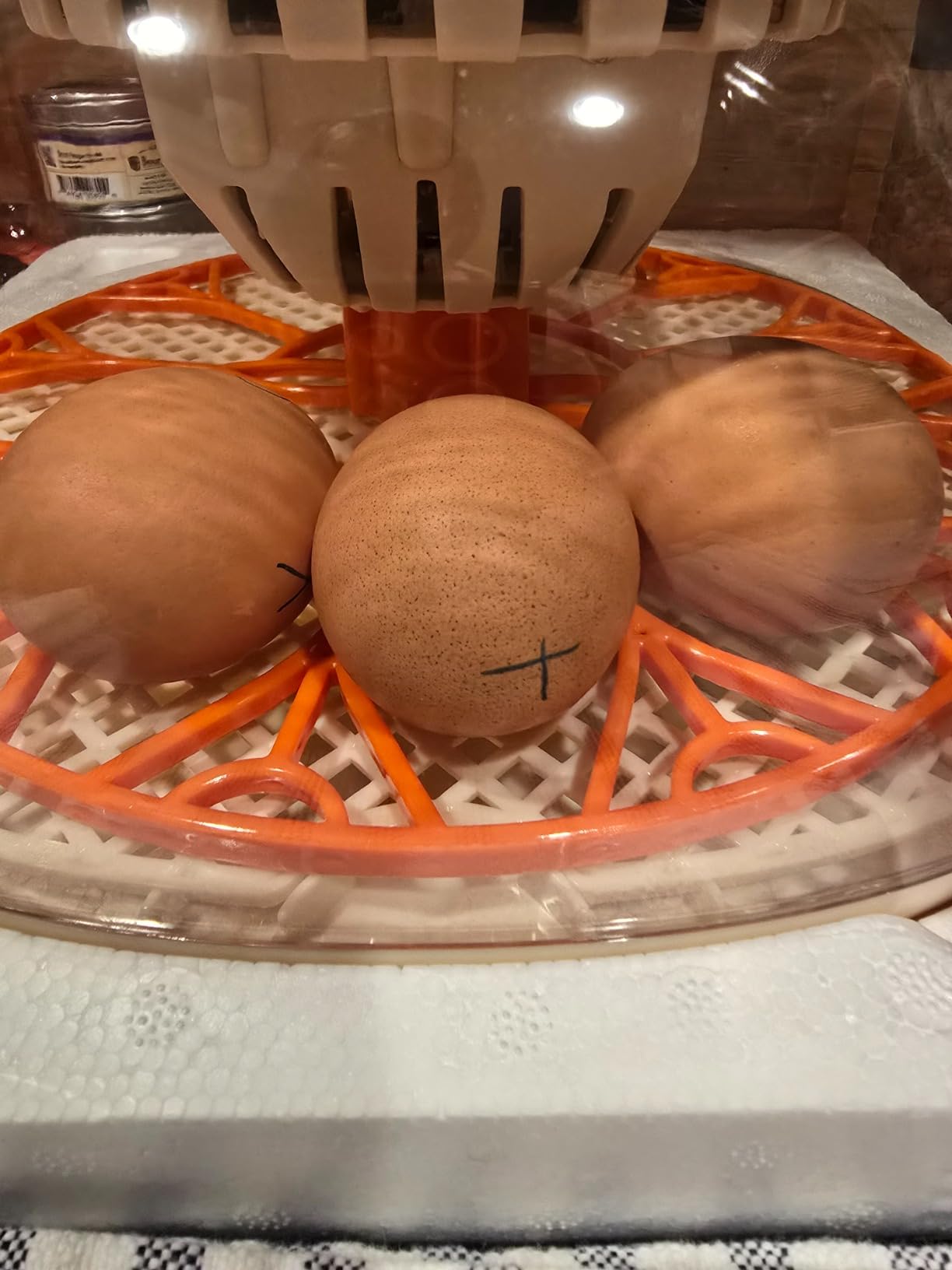
The recurring gripes are humidity swings tied to the room, a candling light that is too dim for reliable embryo checks, and a fan housing that eats into the space newly hatched chicks need. The tray is hand-wash only. One documented total unit failure mid-hatch also shows up in the 9 percent one-star share.
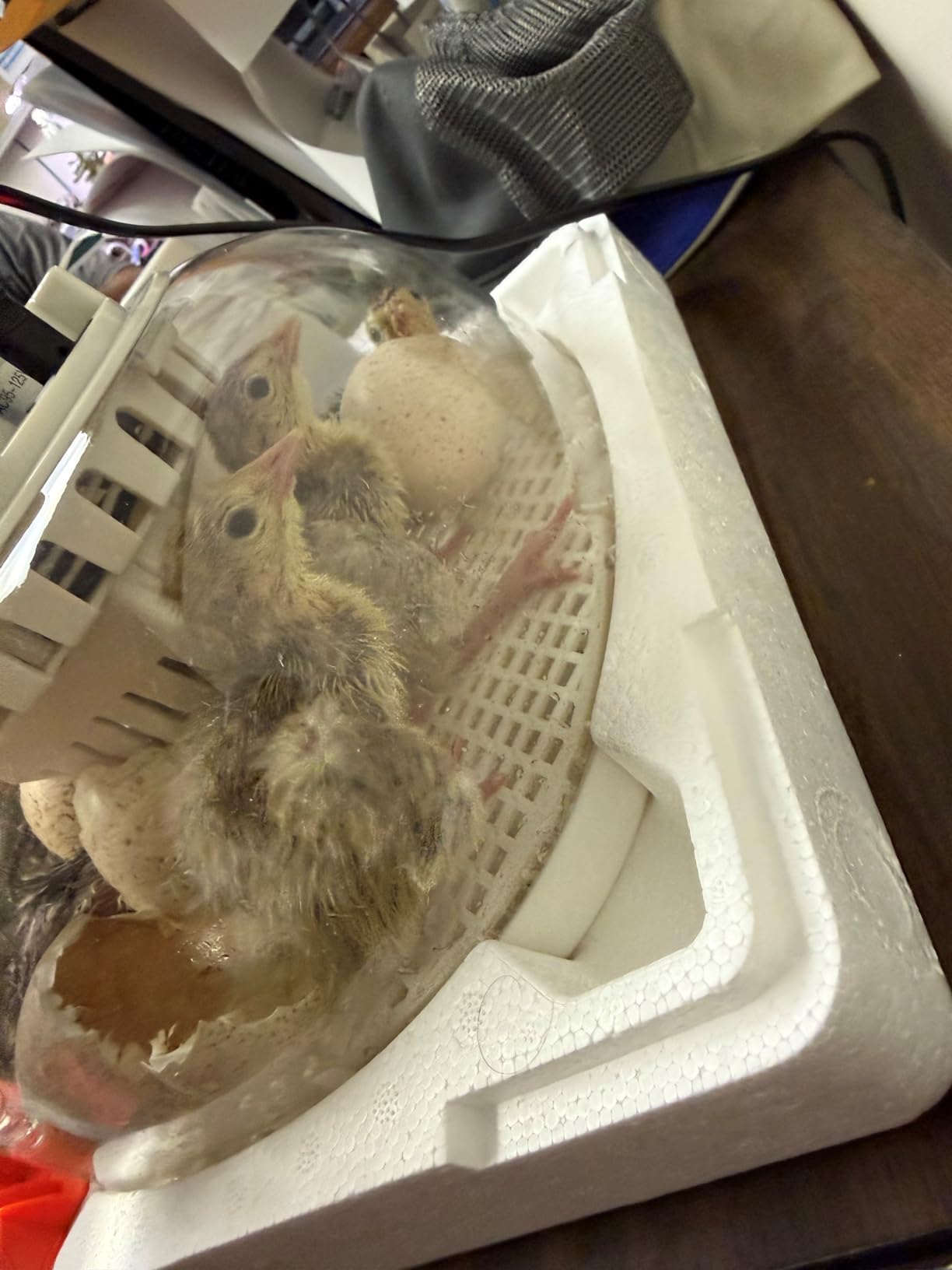
Best for tight rooms and schools
Small footprint, a long warranty and a clear removable tray make this the easiest unit here to hand around between students.
Not for critical batches
If humidity swings are the deciding factor for you, spend up and buy a unit with a sealed water system instead.
8. Onsju 18 Egg Incubator – Best for Classrooms
18 Egg Incubators for Hatching Eggs, Automatic Egg Turning and Humidity Control Incubator for Hatch Chicken Duck Quail Pigeon Pheasant Partridge Home Classroom Lab-
18 standard or 40 small eggs
Turns at 60/120/180 minutes
Pauses 96 hours pre-hatch
Pros
- User-selectable turning interval
- Automatic pause 96 hours before hatch
- Sealed auto-regulated humidity system
- High-intensity LED candler with 360 degree dome
Cons
- Manual notes needed for best results
- Turning may not resume if the stop indicator is misunderstood
- Some units underperform on temperature accuracy
The Onsju 18H-OO holds 18 standard eggs for chickens and ducks or up to 40 smaller quail and parrot eggs, and it ranks first in its lab incubator category. For a classroom or 4-H project, adjustable turning intervals let you demonstrate different schedules on one machine.
It measures 11.73 by 11.73 by 6.85 inches, weighs 5.43 pounds, and pauses turning 96 hours before hatch automatically. The 4.3 rating comes from 404 reviews, with a high-intensity LED candler and a 360 degree dome that makes observation easy from every seat.
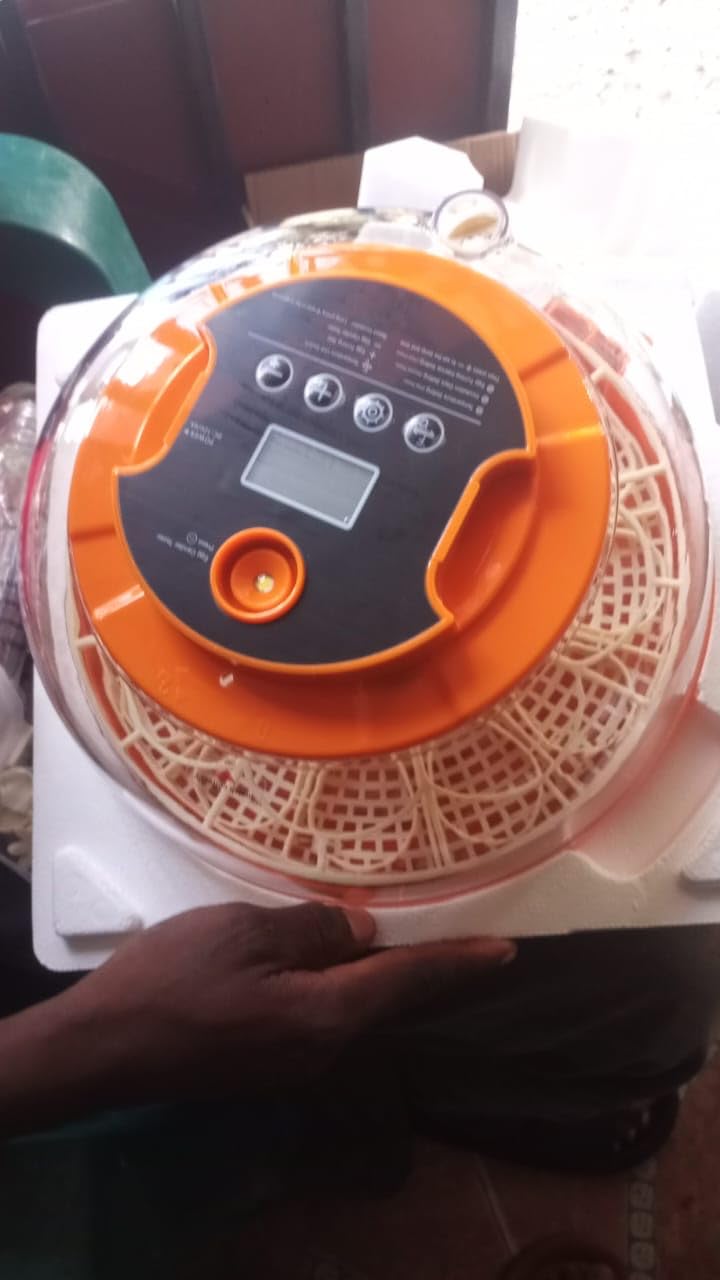
Read the manual before your first cycle. Owners note that setup and reset steps matter for temperature accuracy and machine lifespan, and that turning may not resume cleanly if the stop indicator is misunderstood. A 10 percent one-star share points to some units underperforming on temperature control.
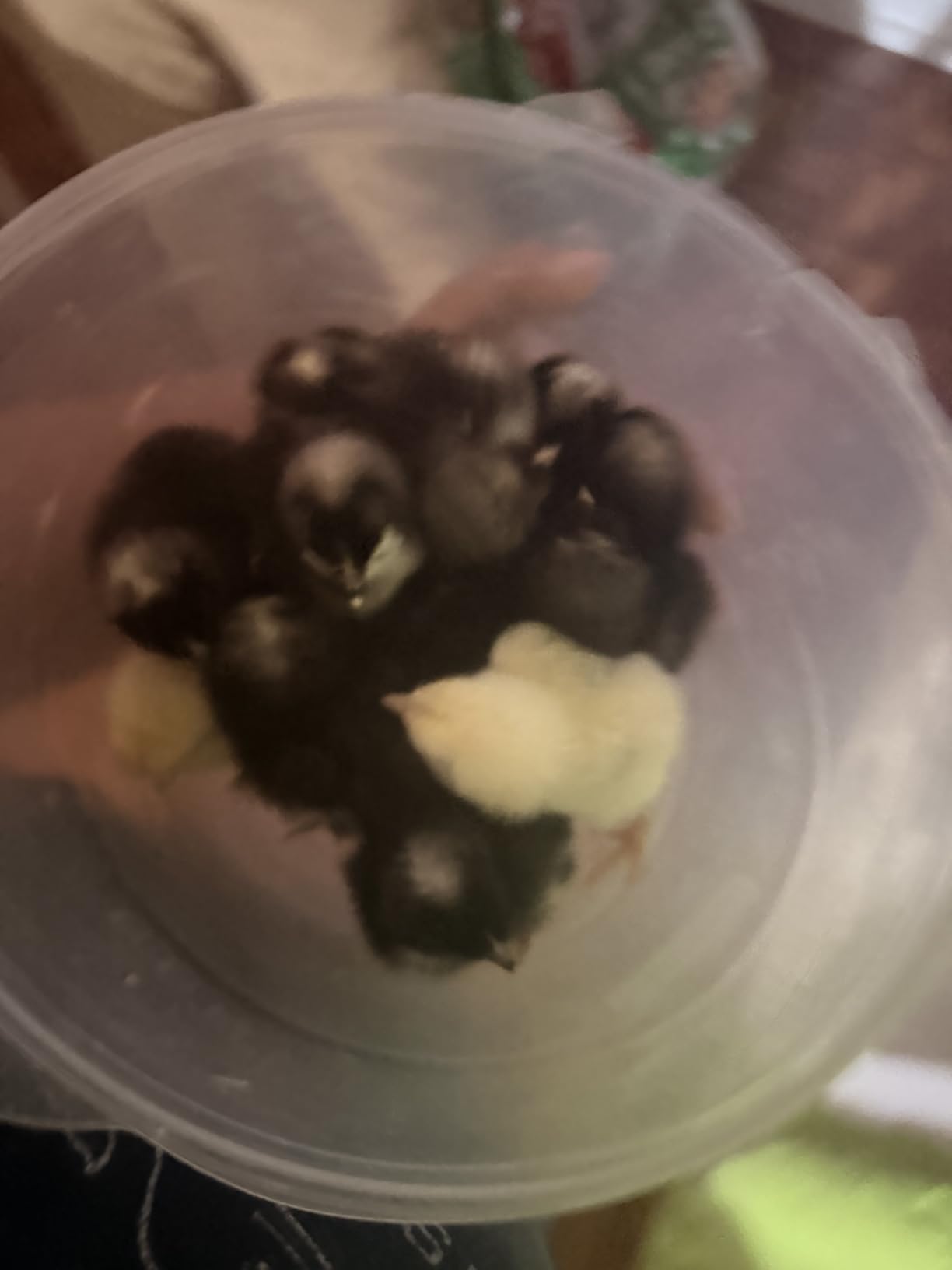
Built for teaching
Selectable 60, 120 and 180 minute intervals plus a bright candler turn incubation into something you can actually show a group of students.
Plan the first run
Set the machine up without eggs for a day to learn the controls before a real batch depends on them. This is the unit where that advice matters most.
9. Sailnovo 56 Egg Incubator – Best for Large Batches
Sailnovo 56 Egg Incubator for Hatching Eggs with Automatic Egg Turning Gray
56 egg capacity
Turns every 2 hours
18.7 x 16.1 x 6.3 inches
Pros
- Largest capacity in this roundup
- Turns every two hours with countdown display
- Readings close to independent thermometers
- Works as a brooder after hatch
Cons
- Suction water bottle has no proper lid
- Side-rolling turning is harder on eggs with detached air cells
- Chicks can bump the bay doors open
At 56 eggs, the Sailnovo SL-5390-G is the batch tool here. It turns every two hours, stops three days before hatching, and shows a turn countdown alongside temperature, humidity and incubation days on an LED display. Adjustable trays handle mixed sizes.
Owners report holding temperature within a fraction of a degree across the whole tray and hatch totals such as 44 of 50 and 42 of 52 on fertile eggs. That 4.4 rating comes from 380 reviews, and the transparent ABS cover doubles as a warm room for chicks after hatch.
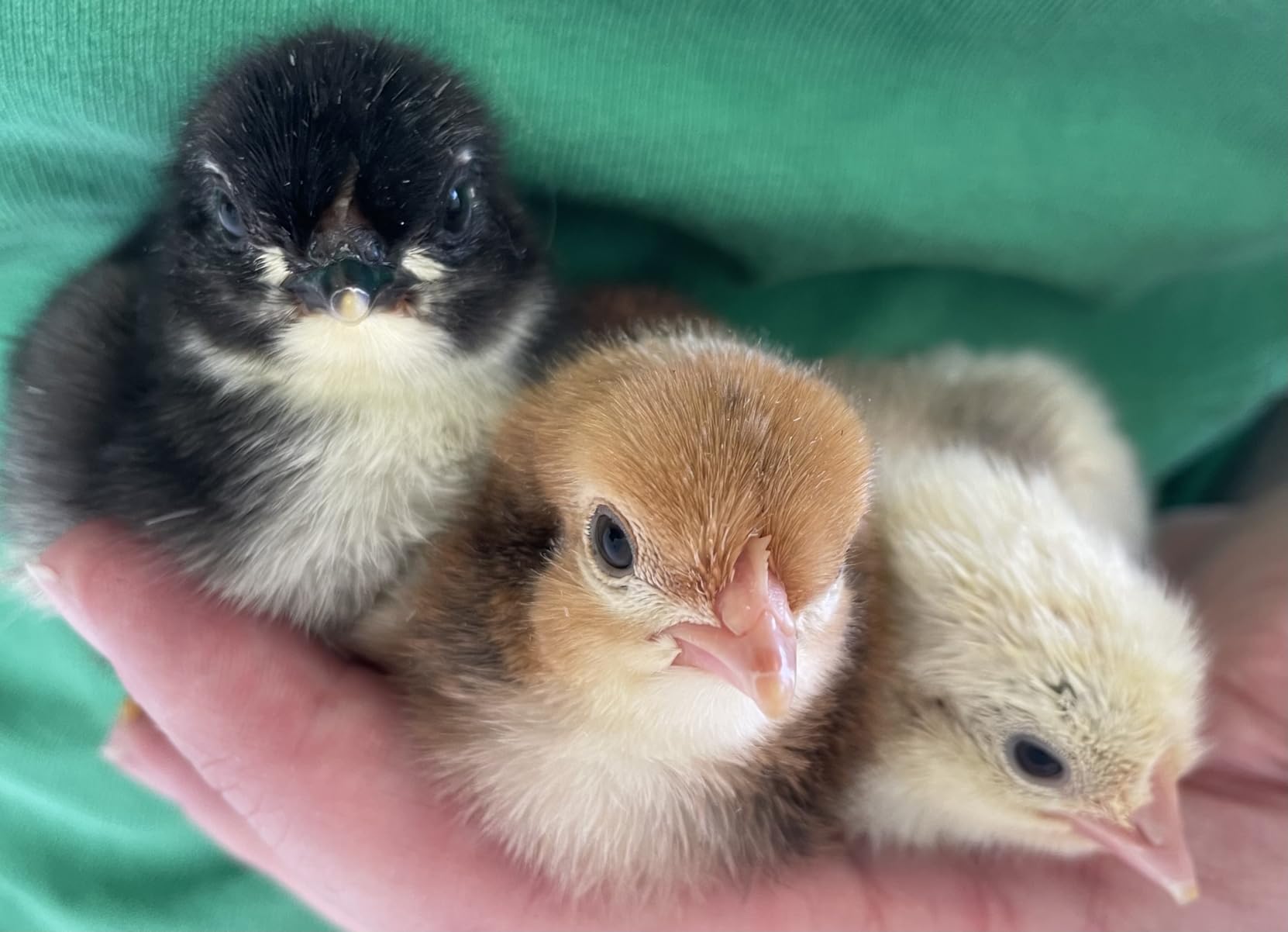
Two practical warnings. The suction water bottle has no proper lid, so the auto-humidification can pull air instead of water, which forces manual syringe refilling. And side-rolling turning is harder on eggs shipped long distances with detached air cells, so let those settle before loading.
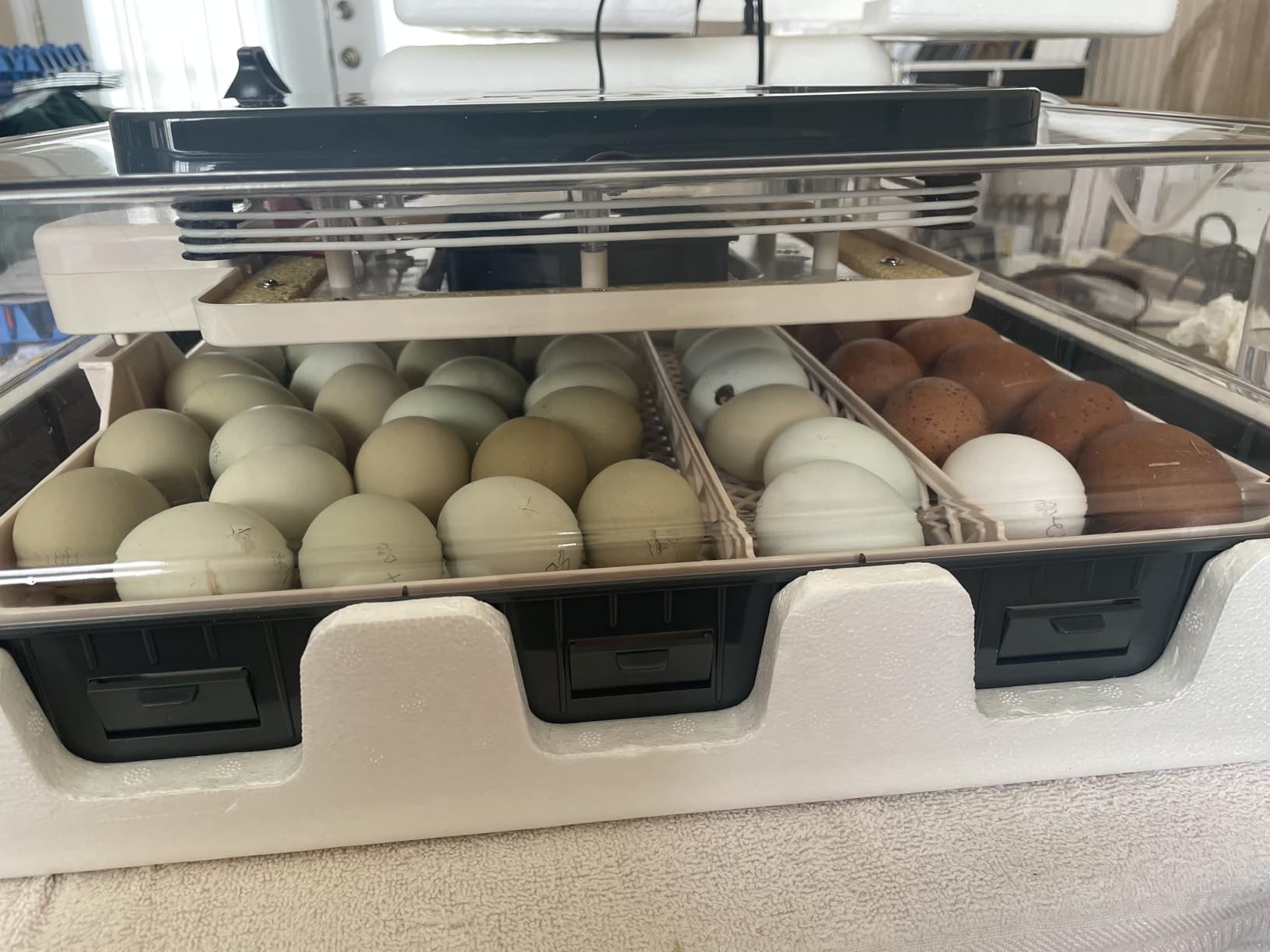
Where the capacity pays off
If you hatch seasonally or sell day-old chicks, one 56-egg run covers a whole week of demand in a single cycle.
Mind the water bottle
Budget a syringe and check the bottle seal each cycle. Buyers also note chicks can flip the bay doors open, which dumps humidity late in the run.
10. TRIOCOTTAGE 12 Egg Incubator – Best for Small Spaces
Incubators for Hatching Eggs 12 Egg Incubator with Automatic Egg Turning and Humidity Control,Egg Candler,Auto Water Replenishment,for Chicken Eggs and Quail Egg M12H
12 egg capacity
Automatic turning and refill
7.5 x 7.5 x 6.6 inches
Pros
- Automatic turning plus automatic water replenishment
- Among the brightest built-in candlers reported
- Thick plastic base survives knocks
- Also offers a manual turning mode
Cons
- Humidity display reads about 10 percent high
- Auto-turn fails when large eggs are crowded
- About 6 large eggs fit for reliable turning
The TRIOCOTTAGE M12H is the smallest unit here at 7.5 by 7.5 by 6.6 inches and 3.65 pounds, and it still automates both turning and water replenishment. Automatic water top-ups mean far fewer lid openings, which is where most small dome incubators lose humidity.
Owners report perfect results on small batches including 6 of 6 turkey eggs and 7 of 7 duck eggs after calibration, and a 4.4 rating across 374 reviews. The candling light is among the brightest reported for a unit this size, with its own shut-off, and the base survived a cat knocking the lid to the floor.
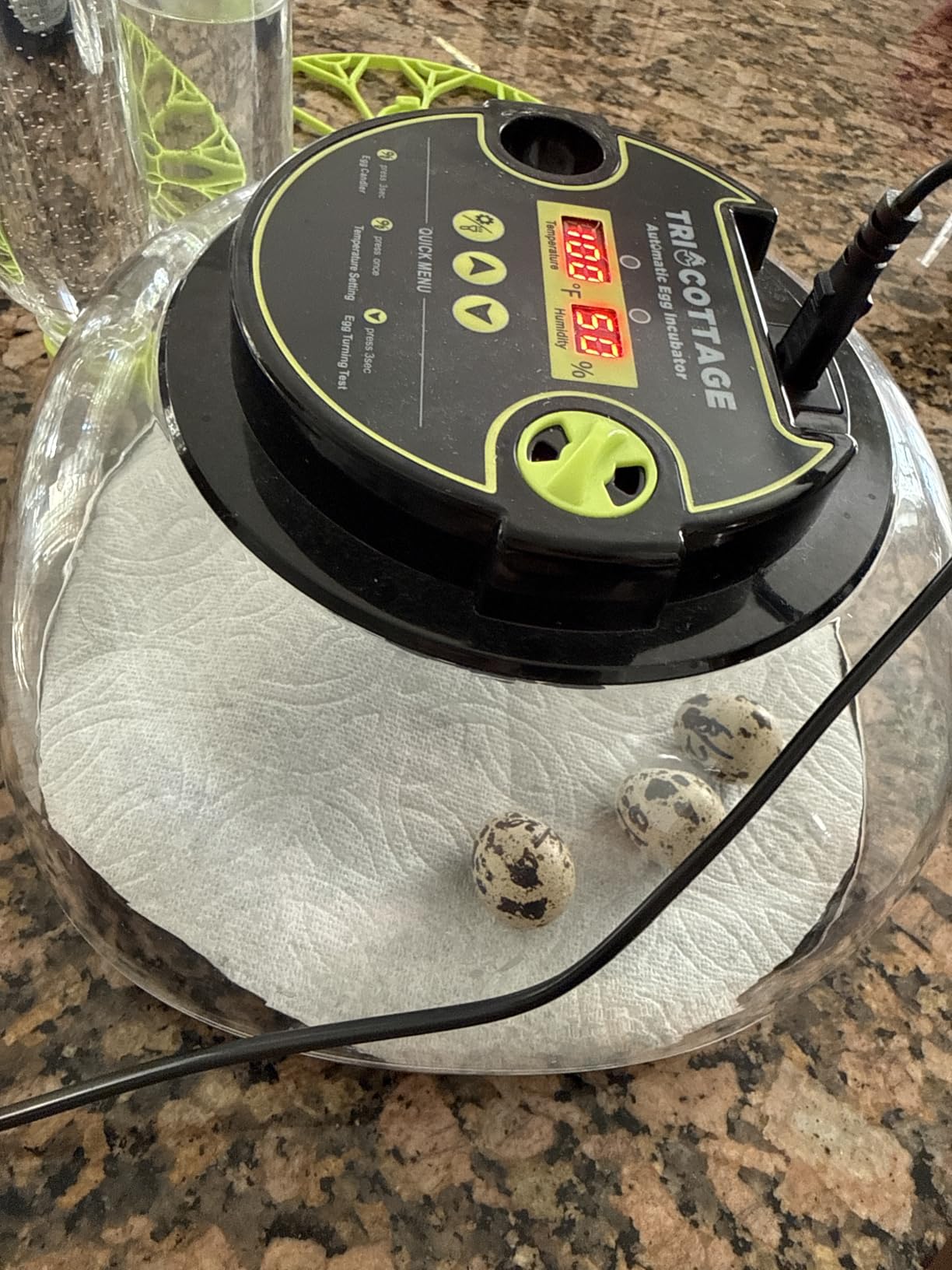
Two calibration notes matter. The humidity display runs roughly 10 percent high against an external hygrometer, and nearly every experienced user says to offset it. Also, crowding large eggs disables the auto-turn, and only about 6 large eggs fit while keeping the mechanism working properly.
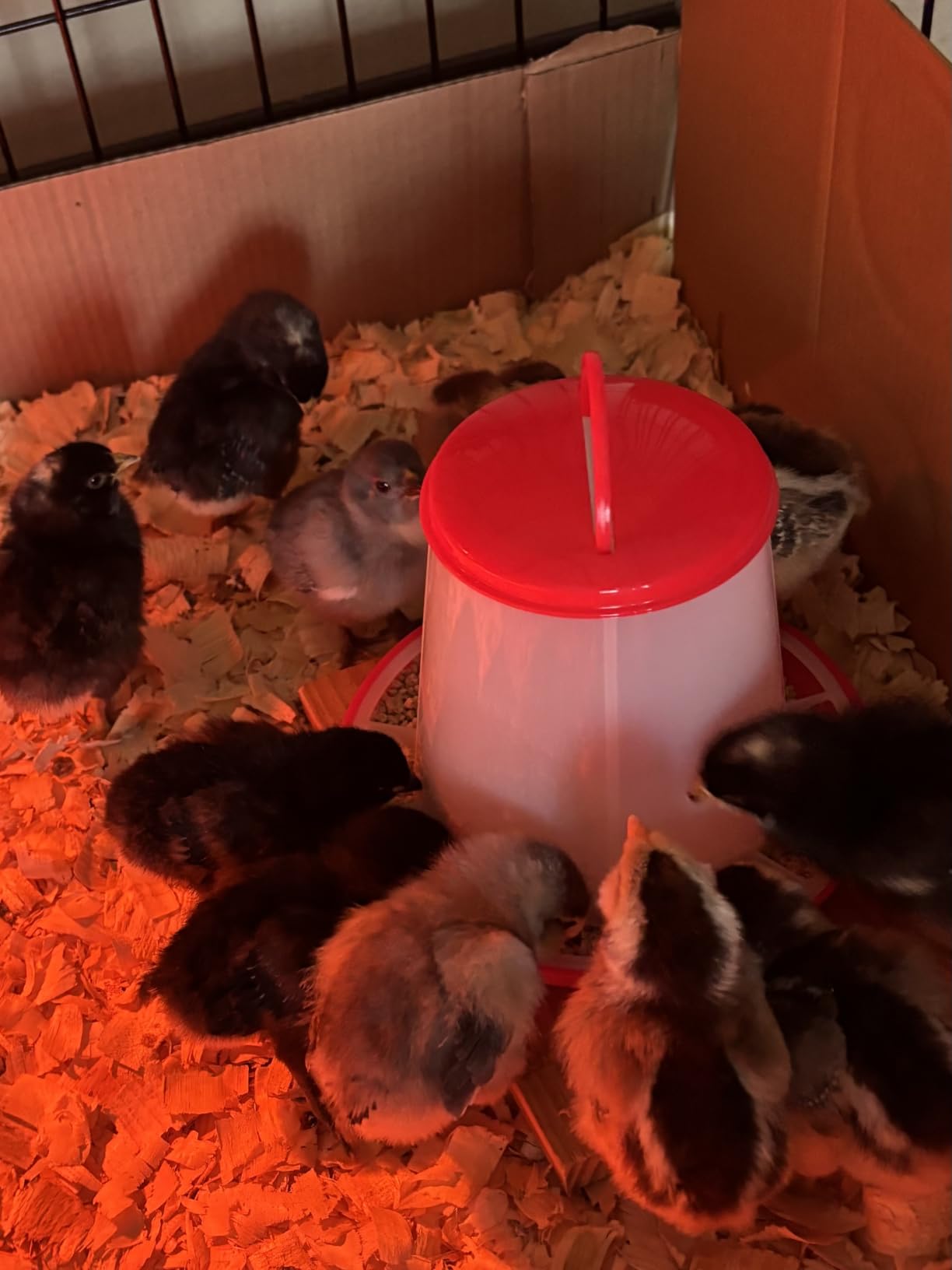
Good where space is tight
Counter space, a small mudroom or a classroom shelf is enough. Automatic water replenishment is the feature that makes a unit this small practical.
Know your egg-size limit
If you plan to run duck or turkey eggs most cycles, check the turning clearance before buying. Six large eggs is a real ceiling for the auto-turn.
11. IBKINXX 18 Egg Incubator – Best for First Hatches
IBKINXX Incubator for Hatching Eggs-18 Egg Capacity, Newly Upgraded Automatic Egg Turner, Temperature & Humidity Control, 360° Viewing for Chicken, Duck and Quail Eggs (Black)
18 egg capacity
Turning at 60/120/180 minutes
11 x 6 x 12 inches
Pros
- Selectable 60
- 120 or 180 minute turning
- Turner stops automatically three days pre-hatch
- External water refill keeps humidity stable
- Two year manufacturer warranty
Cons
- Narrow fan gap can injure chick toes
- Internal rotating parts feel flimsy
- Weak candling light for quail eggs
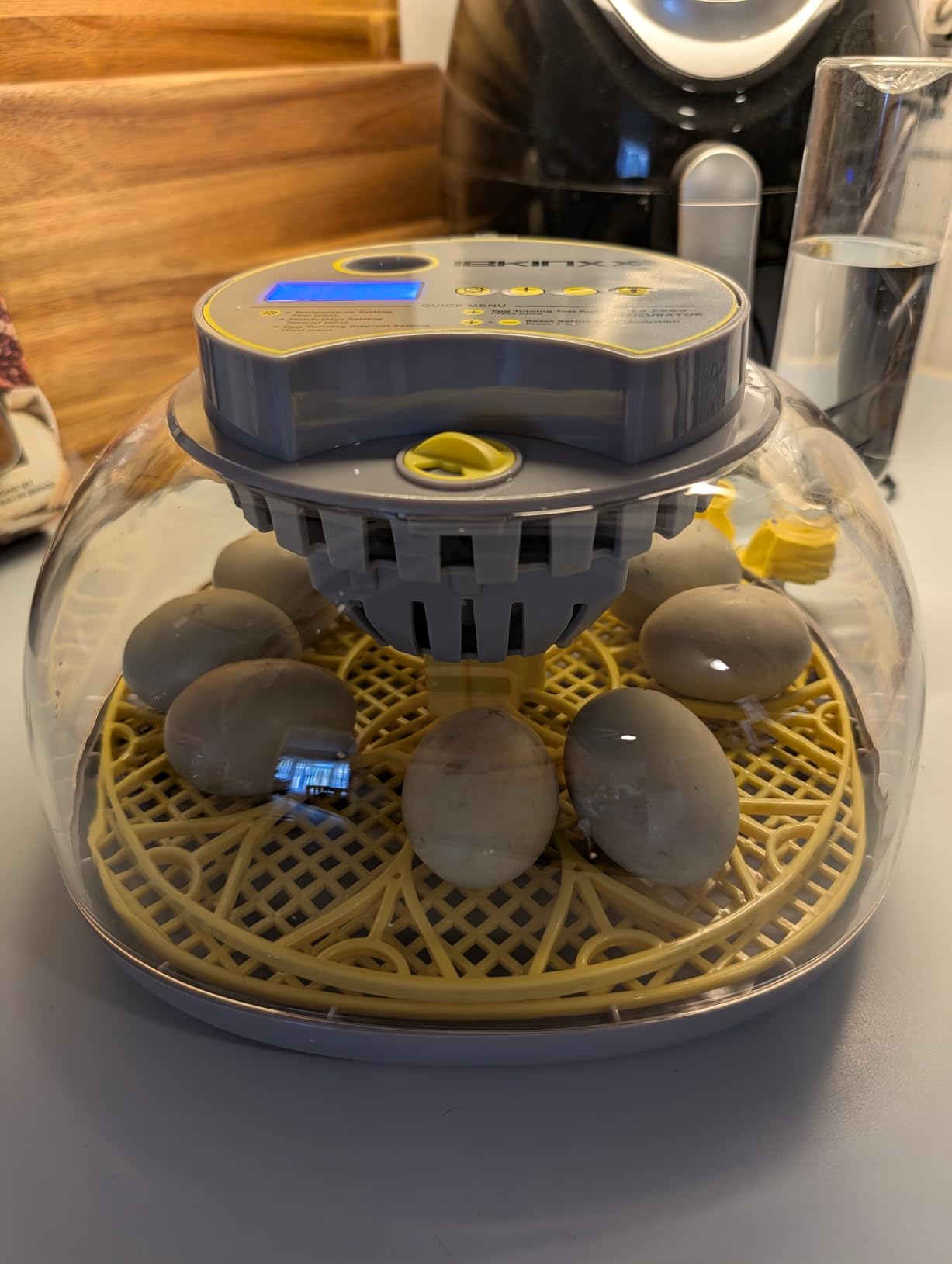
The IBKINXX IBK-18EGG is the one we would hand a first-time hatcher with a two year manufacturer warranty behind it. Turning interval is selectable at 60, 120 or 180 minutes, and it stops three days before hatching without you touching anything.
It measures 11 by 6 by 12 inches, weighs 4 pounds, and includes a cover, removable tray and water bottle. Owners report small-batch results of 8 of 8 and 12 of 12, and the external water refill keeps humidity from swinging when you top up.
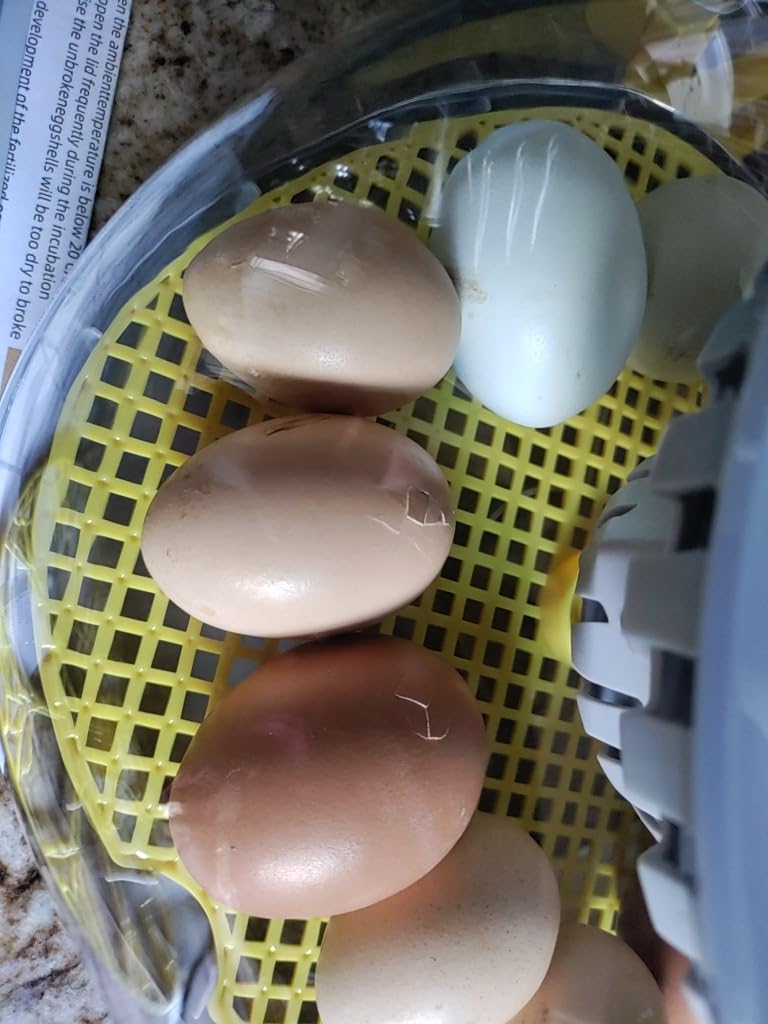
The safety complaint we take seriously is the narrow gap between the fan blade and its shroud, which has injured newly hatched chicks toes. Treat the incubator as a hatcher, not as a brooder, until chicks are mobile enough to stay clear of the fan housing. Internal rotating parts also feel flimsy during cleaning.
Why it suits a beginner
Auto-stop, selectable timing and a long warranty remove the three decisions a new hatcher usually gets wrong in week one.
Plan for the move
Have a brooder ready for hatch day. The fan clearance issue makes this a hatch unit rather than a place to leave chicks after they emerge.
12. Farm Innovators 41 Egg Digital Incubator – Built-In Turner for Large Eggs
Farm Innovators 41 Egg Digital Circulated Air Incubator, Auto Turner, White
41 egg capacity
Integrated automatic turner
18 x 18 x 8 inches
Pros
- Integrated turner handles up to 41 eggs
- Deep bottom tray fits large duck and goose eggs
- Digital display tracks temperature humidity and days to hatch
- Egg candler included
Cons
- Lowest average rating here at 4.0 with a 14 percent one-star share
- Turner is built in and not interchangeable
- Styrofoam-style construction
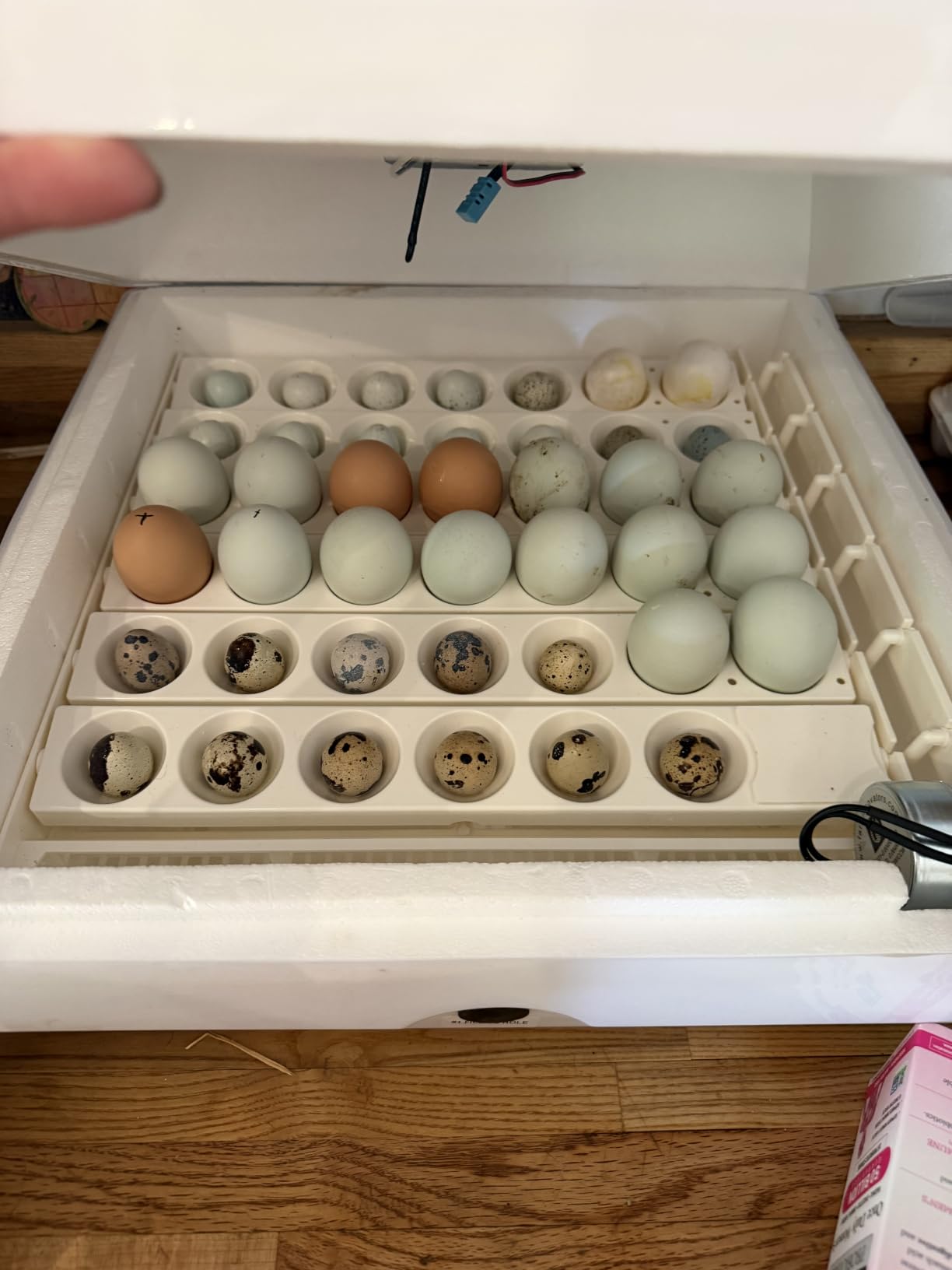
This is the one we would look at first if your eggs are large. The deep bottom tray is built to accommodate big duck and goose eggs, and the integrated turner handles up to 41 of them without a separate module, tray footprint problem or clearance guesswork.
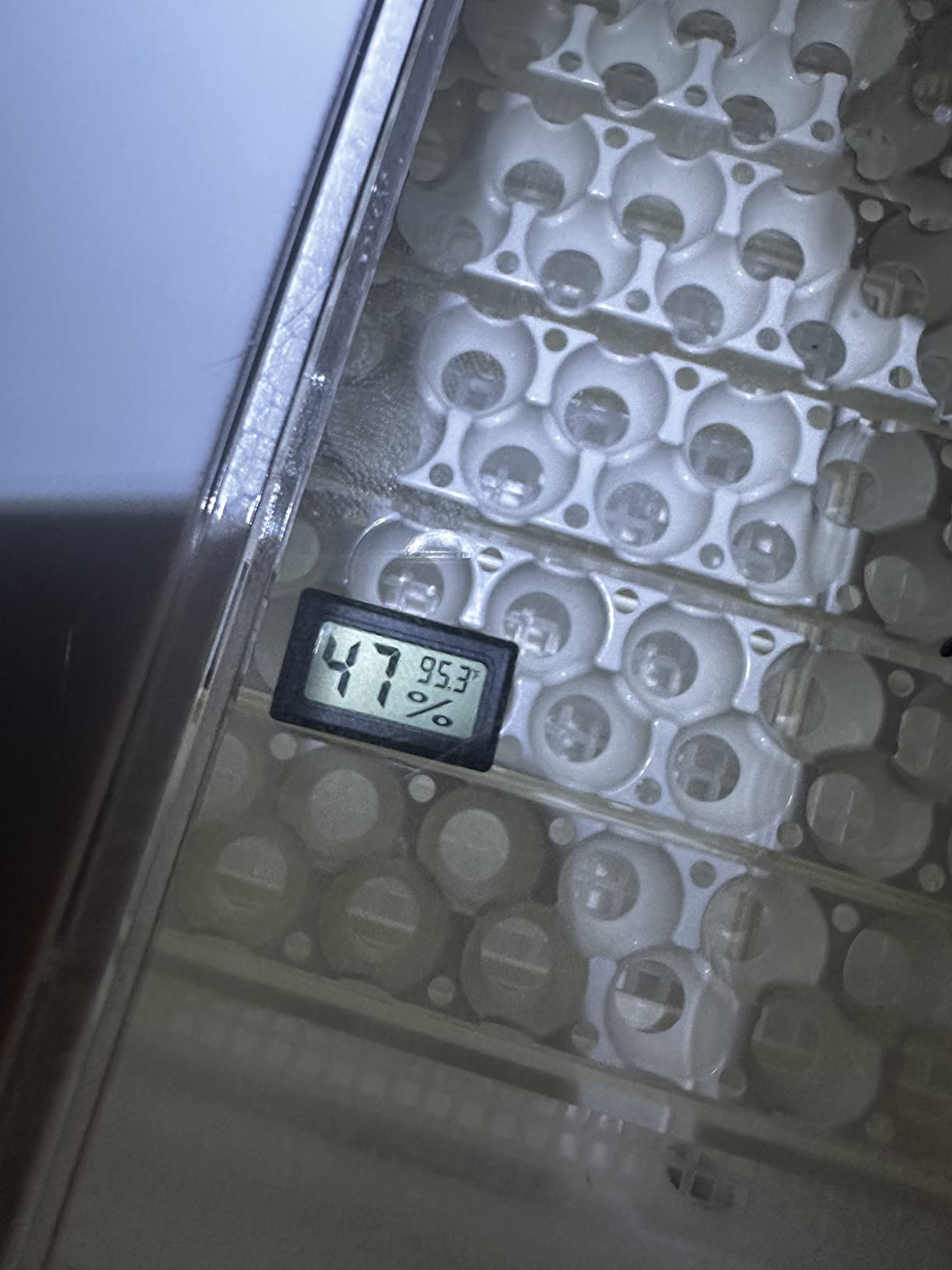
It heats to a factory pre-set 100 degrees Fahrenheit within minutes, the integrated fan circulates fresh air, and the digital display tracks temperature, humidity and days to hatch with a high/low notification light. It measures 18 by 18 by 8 inches and weighs 8.75 pounds.
We will be straight about the ratings. Its 4.0 average across 2,291 reviews is the lowest in this group, with 14 percent one-star. The turner is welded into the design, so it is not an interchangeable module, and the foam-style construction ages less gracefully than a modern plastic cabinet.
Built for oversized eggs
Most standalone racks top out at duck size or below. The deep tray here is the reason it handles goose eggs without cracking them against a rail.
Know what you get
You are buying a whole incubator, not a turner module. If you already own a working chamber, this is the wrong purchase.
How to Choose an Automatic Egg Turner
The first question is whether you need a turner module or a whole incubator. If you already run a working incubator and like it, a standalone module is the cheap path, but it must physically fit. If your incubator is missing parts, unreliable or too small, buying a turner-equipped unit solves more than one problem at once.
Measure your tray footprint before anything else. Length, width and the vertical clearance above the tray all matter, and tilting designs need more headroom than rolling ones. This is the compatibility guessing that keeps keepers stuck, and a tape measure resolves it in thirty seconds.
Next, match the turner to your egg size. Small rails hold quail eggs and take far more per tray. Universal racks run from partridge to duck size. Goose and large turkey eggs need a deep tray with generous spacing, because crowded large eggs jam the mechanism.
Then check the interval. Standalone modules typically run a full cycle every 4 hours, which gives 6 cycles a day. Built-in dome turners often offer 60, 120 or 180 minutes. All of these sit comfortably inside the 3 to 5 manual turns a day that keepers recommend, and many experienced hatchers prefer an odd number of manual turns so the same face does not sit pointing up overnight.
Auto shut-off before hatch is the feature to insist on. Turning should stop three days before the hatch date so eggs settle level and chicks are not jostled. Every turner-equipped model we reviewed here has a documented way to stop, either automatically or by removing the tray.
Power and outages are worth thinking about. A failed turner is not a lost batch if you know the manual fallback, which is why we would never buy one without a plan for checking it. If you also run equipment that needs automatic cutoff, our picks for water leak sensors with automatic shutoff cover the same always-on reliability mindset.
Finally, weigh warranty and parts. Three year terms on some budget models beat one year terms on premium ones, and a manufacturer that replaces damaged units is worth more than a longer printed warranty nobody honors. For large waterfowl eggs, be aware that experienced keepers on BackYard Chickens still argue for hand turning, and take that seriously rather than treating auto turning as settled science.
Installing a Turner in an Existing Incubator
Retrofitting a turner is straightforward once you know the fit, and it takes under an hour for most retrofit kits.
Measure the chamber. Record the tray footprint, the height from tray to lid, and the space reserved for the water channel or fan housing.
Confirm power. Check whether the unit runs on low-voltage DC from an adapter or draws mains power. Route the cable out through the vent without blocking airflow.
Seat the rails. Lay the egg cups level and centered, then seat the rack in its cradle. A rack that sits high rocks and rattles.
Sand and check. Remove plastic flashing from mold seams before the first cycle, and test the connector arm by hand through several full rotations.
Dry run it. Run the turner with no eggs for a full day and confirm the tray clears the lid and walls at the end of every stroke.
Pre-run the chamber. Stabilize temperature and humidity for 24 hours before setting eggs. This is a good moment to candle a few eggs and confirm the mechanism still turns with weight in the cups.
If the tray does not clear at the top of the stroke, stop and measure again. A turner that touches the lid will crack eggs and shut down on its own, and no amount of careful setting fixes a unit that is physically too tall.
Troubleshooting Common Egg Turner Problems
Almost every turner complaint falls into one of a handful of patterns, and most are fixable in minutes.
The tray is not moving. Usually a power adapter seated loosely, a motor at the end of its life, or a load of eggs packed so tightly the rail binds. Remove eggs, run the empty cycle, and check the cable seating.
The tray moves part way and stops. A large egg is wedged between a cup and the rail wall, or the connector arm has broken. Clear the obstruction and inspect the plastic arm for cracks.
Eggs are cracking. Cups are too tight, the tray is tilted too aggressively, or the chamber is overfilled. Leave gaps between large eggs and reduce the batch to fit the turning clearance.
Turning continued through hatch. The auto-stop setting was never configured, or the STOP indicator was still engaged from a previous cycle. Confirm the countdown before you set eggs, and reset it fully.
Humidity falls after filling water. Opening the lid drops chamber temperature and humidity fast. Use an external refill port or bottle where the unit has one.
The power went out mid-cycle. Assume eggs sat still, then resume turning immediately when power returns and hand-turn anything the mechanism missed. An outage of a few hours is recoverable; repeated long outages are not.
The simplest habit is to watch the turner complete one full cycle every day for the first three days after setting eggs. After that, a quick check of the countdown display is enough. Forum owners describe constant anxiety with cheap no-name turners precisely because nothing confirms the mechanism moved.
Frequently Asked Questions
Are automatic egg turners worth it?
Yes for most home hatchers. An automatic egg turner removes roughly 60 to 100 hand-turning sessions per 21-day cycle, stops you opening the lid, and keeps dirty hands off the eggs. Experienced keepers who hand-turn everything, including goose eggs, get good results too, but they are turning 20 to 40 eggs several times a day without a missed day.
How often does an automatic egg turner turn the eggs?
Most standalone modules complete a full rotation cycle every 4 hours, which is six cycles a day. Incubators with built-in turners often run at 60, 120 or 180 minute intervals and let you choose the rate. All of these fall inside the 3 to 5 manual turns a day that keepers recommend.
Do automatic turners hurt the eggs?
They can, if the tray is too small, too crowded or tilted too aggressively. Cracking usually comes from cups packed edge to edge with large eggs. Leave gaps between large eggs, keep the batch within the turning clearance, and remove any eggs that jam the rail before the motor stalls.
Do I need to turn goose eggs?
Turning is recommended, but experienced keepers on BackYard Chickens often hand-turn large goose eggs rather than trusting auto racks, partly because most universal racks stop at duck size. If you use a turner, confirm the tray fits the egg without crowding and turn an odd number of times so the same face does not sit up overnight.
Should I remove the automatic egg turner during lockdown?
Yes, turning stops three days before the hatch date so eggs settle level and chicks are not jostled. Most units in this roundup stop automatically. On models where you pull the removable tray, take it out on day 18 for a 21-day chicken cycle and adjust for longer incubation in geese or ducks.
What are common egg turner problems?
The most common issues are a tray that will not move from a loose power adapter or a dead motor, a tray that stalls part way because an egg is wedged in a cup, cracks from overcrowding, and turning that continues through hatch because the stop setting was never configured. Each is diagnosable in minutes if you watch one full cycle a day.
Final Verdict: Which Automatic Egg Turner Should You Buy?
For most readers the best automatic egg turners for incubators in 2026 come down to one of three answers. Buy the KEBONNIXS 12 Egg for the strongest overall balance of auto shut-off, built-in humidity display and candler. Buy the Little Giant 41 egg turner if you already own a Little Giant incubator and want a pure retrofit. Buy the Farm Innovators 41 egg digital incubator if your eggs are large duck or goose size and you need a deep tray.
Measure your tray first, then buy. Everything else is a preference.