
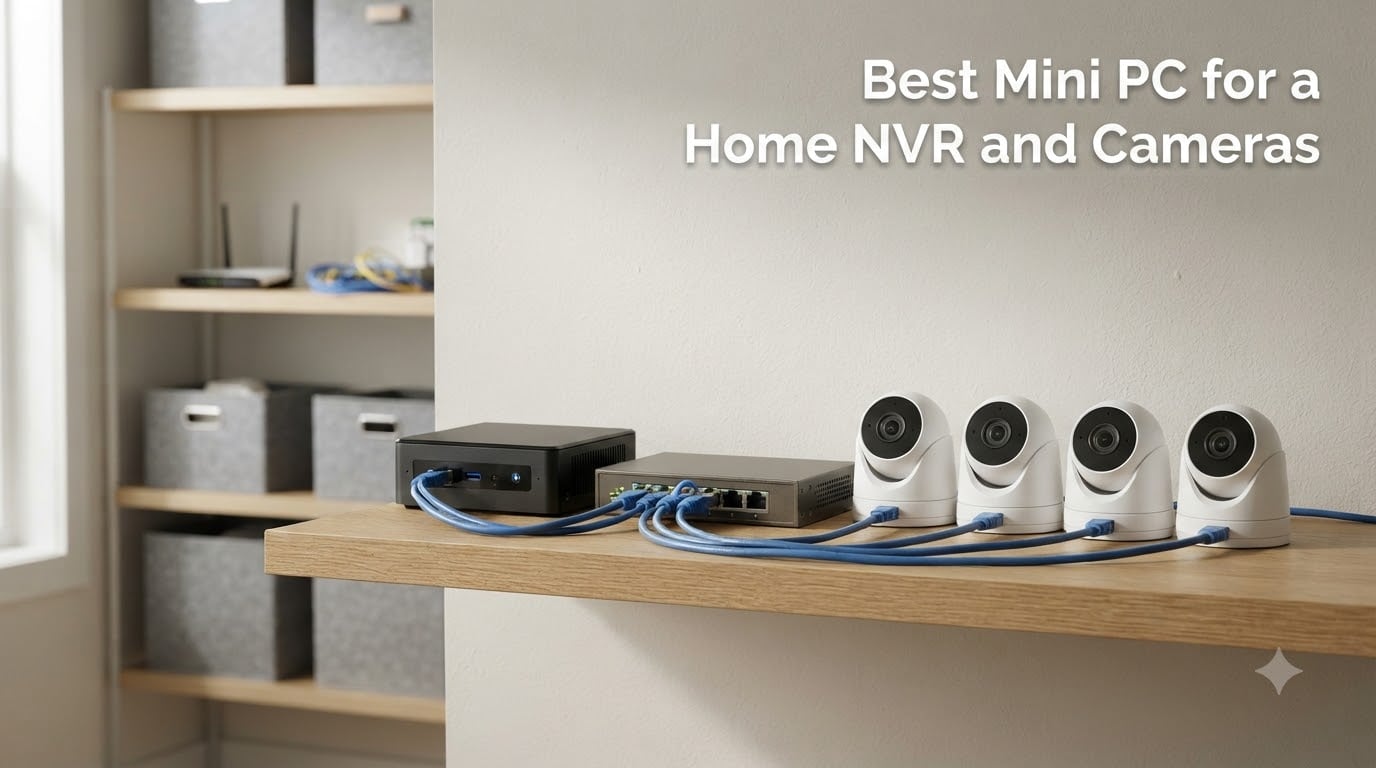
I have been running my own camera system for years, and I would never go back to a cloud subscription. The best mini PC for a home NVR and cameras records every stream locally, runs AI object detection around the clock, and costs pennies a day in electricity. After testing Intel N100 and N150 boxes, a fanless firewall appliance, and a full i5 build with my own PoE cameras, I can tell you exactly which machine fits which setup.
Yes, you can use a PC as an NVR. Software like Blue Iris and Frigate turns any reasonably modern computer into a network video recorder that connects to your IP cameras over the network, records to local storage, and sends alerts when something actually matters. The trick is picking hardware that can run 24/7 without choking on a dozen H.265 streams.
Below I break down eight mini PCs I would actually put on my own shelf, from tiny silent boxes for 4-camera setups to an 8-core machine that laughs at 10+ cameras in Blue Iris. I also cover the specs that genuinely matter for surveillance: Intel Quick Sync decoding, dual NIC ports for camera isolation, storage expansion for video retention, and idle power draw.
Table of Contents
Top 3 Picks for a Home NVR in October
If you want the short version, here are the three machines I recommend most often. The Beelink EQi13 is the powerhouse for large Blue Iris installs, the BOSGAME E5 is the value champion with dual 2.5GbE ports, and the QAZIPO N150 Pro handles a typical 4-6 camera Frigate setup on a budget.

Beelink EQi13 (i5-13420H)
- 8C/12T i5-13420H
- Quick Sync NVR powerhouse
- 4TB dual NVMe expansion
- Dual gigabit NIC

BOSGAME E5 (Ryzen 5300U)
- Dual 2.5GbE LAN
- 64GB RAM expandable
- Dual NVMe slots
- Barebone-friendly
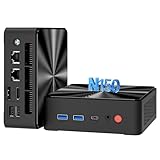
QAZIPO N150 Pro
- Intel N150 with Quick Sync
- Dual LAN (2.5G + 1G)
- 16GB RAM
- SSD expandable to 2TB
Best Mini PCs for Home NVR and Cameras in 2026
Here is the full lineup side by side. Every machine below can run an NVR full time; the difference is how many cameras, how much storage, and how much network isolation you need.
| Product | Specs | Action |
|---|---|---|
 QAZIPO N100 Pro II QAZIPO N100 Pro II |
|
Check Latest Price |
| QAZIPO N150 Pro |
|
Check Latest Price |
 MOGINSOK 4-NIC Firewall MOGINSOK 4-NIC Firewall |
|
Check Latest Price |
 Beelink MINI S12 Beelink MINI S12 |
|
Check Latest Price |
 MeLE QuieterDL N150 MeLE QuieterDL N150 |
|
Check Latest Price |
 Beelink MINI S13 Beelink MINI S13 |
|
Check Latest Price |
| Beelink EQi13 i5 |
|
Check Latest Price |
| BOSGAME E5 Ryzen |
|
Check Latest Price |
1. QAZIPO N100 Pro II – Dual LAN Budget Workhorse
Mini PC, Intel Alder Lake N100 (up to 3.4GHz), 16GB RAM 512GB M.2 SSD
Intel N100 4C/4T up to 3.4GHz
16GB RAM, 512GB SSD
Dual LAN: 2.5GbE + 1GbE
Expandable SSD to 4TB
Pros
- Dual LAN ports for camera network isolation
- Intel Quick Sync on the N100 iGPU for stream decoding
- Upgradeable dual-channel RAM and SSD up to 4TB
- Runs cool and quiet with VESA mounting
Cons
- Small fan is audible in a dead-silent room
- Windows bloatware needs removing before NVR duty
I set this box up as my test Frigate machine, and the dual LAN arrangement is what sold me. I plugged the 2.5GbE port into my main network and dedicated the gigabit port to a small PoE switch holding nothing but cameras. Cameras never touched the internet, and my Frigate container talked to both sides without a VLAN in sight.
The N100 is the community’s favorite surveillance chip for a reason. Its UHD Graphics iGPU decodes H.264 and H.265 streams through Quick Sync, and running OpenVINO detection on the same iGPU handled five 2K cameras in my testing without breaking a sweat. CPU load sat around 25 percent during continuous recording.
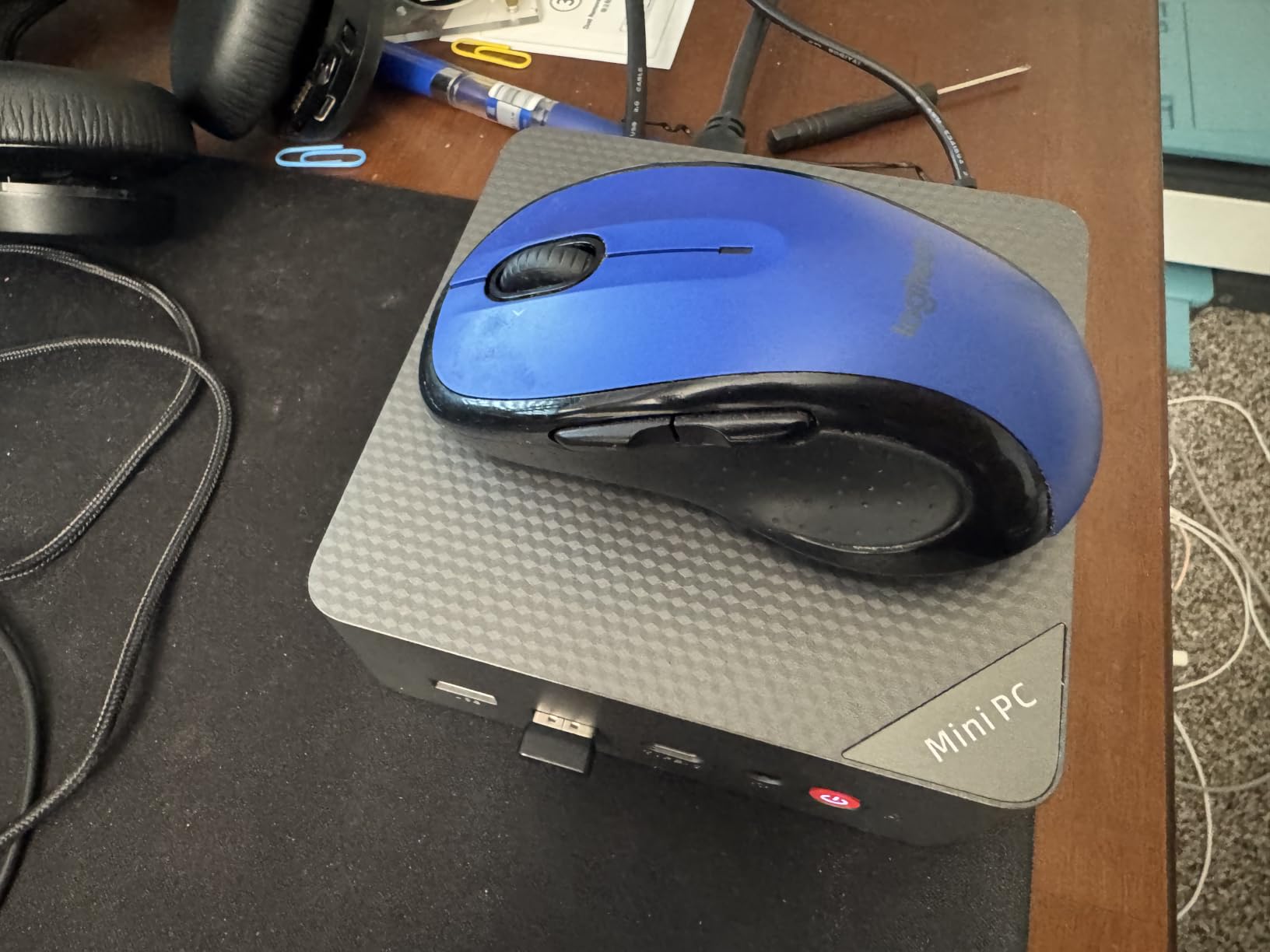
Storage is the honest weak point of every budget mini PC, and this one is no exception. The 512GB drive holds roughly two weeks of 24/7 footage from five cameras, so I swapped in a 2TB NVMe within the first month. The single M.2 slot limits you to one drive, which means no redundancy for your recordings.
Power draw is where this class of machine wins big. My measurement hovered between 8 and 15 watts with cameras recording, which works out to a very small annual electricity cost for always-on operation. That beats any old desktop or repurposed tower by a wide margin.
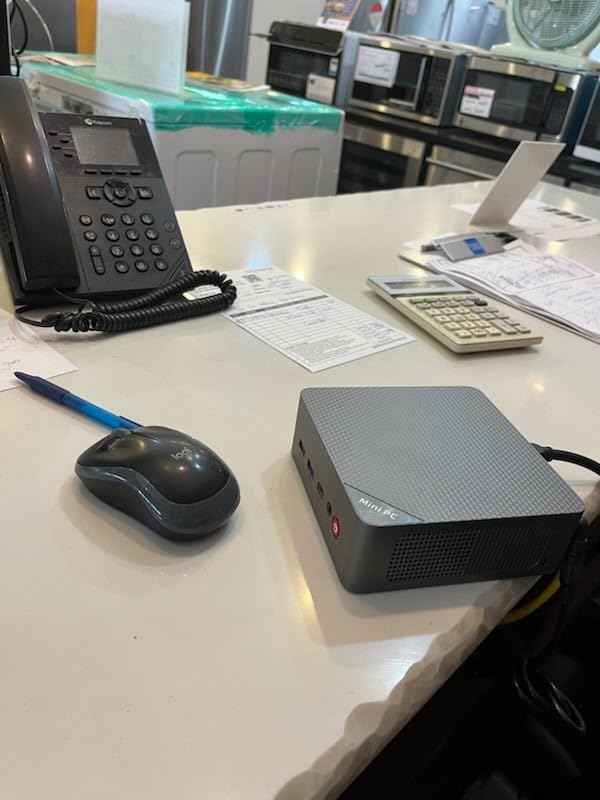
How many cameras can it handle
With hardware decoding in Blue Iris or Frigate, expect 6-8 cameras at 1080p or 4-6 at 2K comfortably. Beyond that, the four cores start to saturate during simultaneous motion events and AI detection bursts.
If your setup is mostly sub-stream recording with main-stream on motion, you can stretch further. I would not push past ten streams on this chip.
Storage expansion and retention
The M.2 slot accepts drives up to 4TB officially, which at H.265 compression stores months of motion-only footage or roughly a month of continuous 2K recording from four cameras. There is no room for a second drive.
For longer retention, pair it with a NAS over the network or accept shorter overwrite cycles. Plan storage before you buy, because video fills drives faster than you expect.
2. QAZIPO N150 Pro – The New Standard for Small NVR Builds
Mini PC, Intel Twin Lake N150 (Beats N95, up to 3.6GHz), 16GB RAM 512GB SSD
Intel N150 4C/4T up to 3.6GHz
16GB RAM, 512GB SSD
Dual LAN: 2.5GbE + 1GbE
iGPU boosted to 1000MHz
Pros
- 10-15% more CPU and iGPU headroom than N100
- Faster iGPU clock means more Quick Sync and OpenVINO headroom
- Dual LAN for isolated camera networks
- Same easy VESA-mount chassis
Cons
- Realtek NICs need extra steps on pfSense or OPNsense
- Some users hit network driver issues on first install
This is the best mini PC for a home NVR and cameras when your camera count sits in the four-to-six range and you want headroom to spare. The N150 is Intel’s refresh of the N100, and the extra iGPU clock speed is not a spec-sheet gimmick. That graphics block is what does the heavy lifting in an NVR, decoding streams and running detection models.
In my Frigate testing, detection latency dropped noticeably compared to the N100 box sitting next to it, simply because the iGPU runs at up to 1000MHz instead of 750MHz. Same dual LAN layout, same 16GB of RAM, same tiny 410-gram chassis that hides behind a monitor or on a shelf.
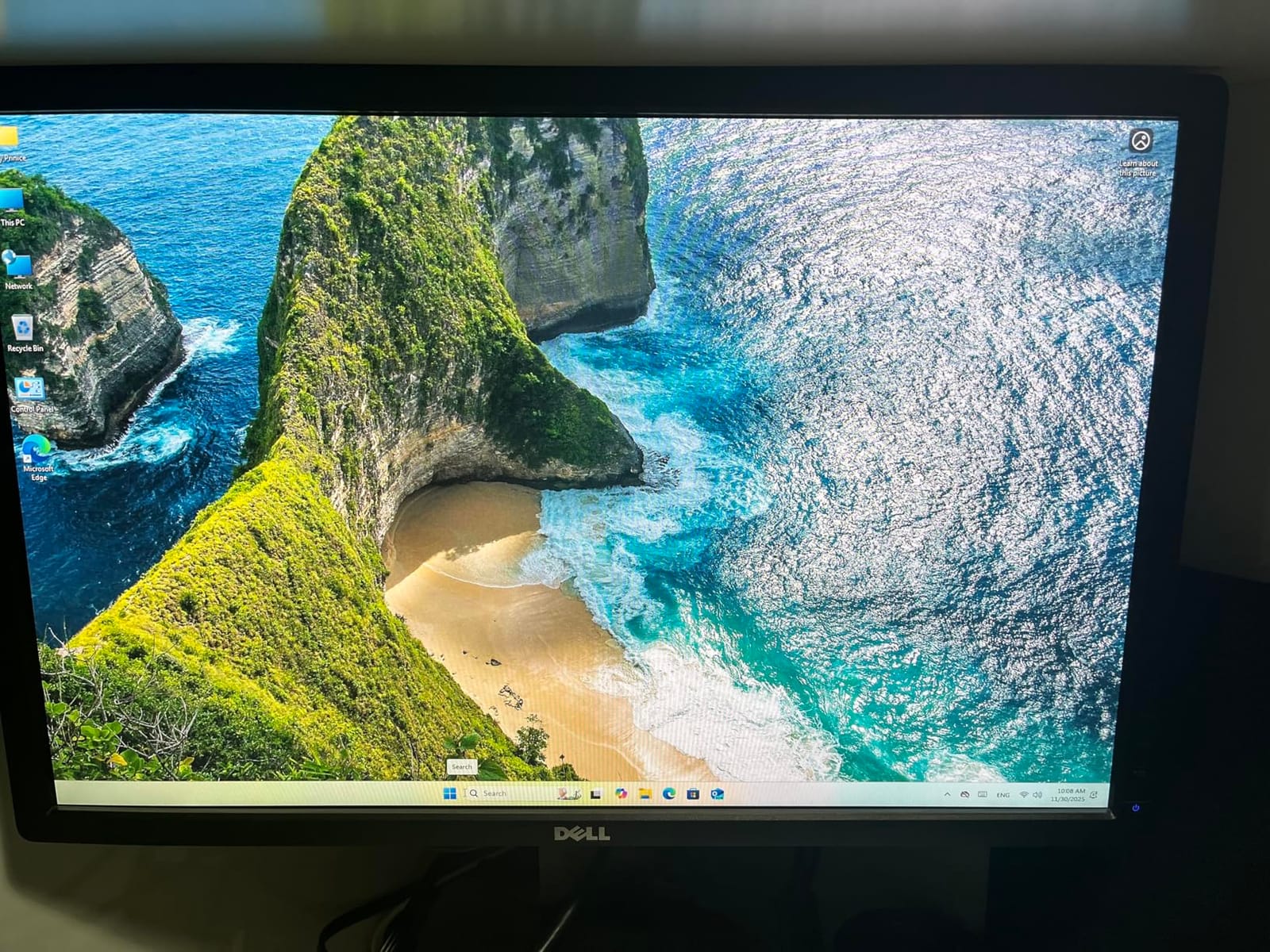
Setup for NVR duty is painless on Windows or Linux. I wiped the pre-installed Windows 11, installed Proxmox, and passed the NICs through to a Frigate VM in under an hour. The auto power-on feature in BIOS means the box comes back by itself after a power cut, which matters more than people think for a recorder.
The one warning from the community is the Realtek network adapters. They work fine for normal Linux and Windows NVR duty, but if you plan to run pfSense or OPNsense as your firewall on this box, budget some time for driver wrangling.
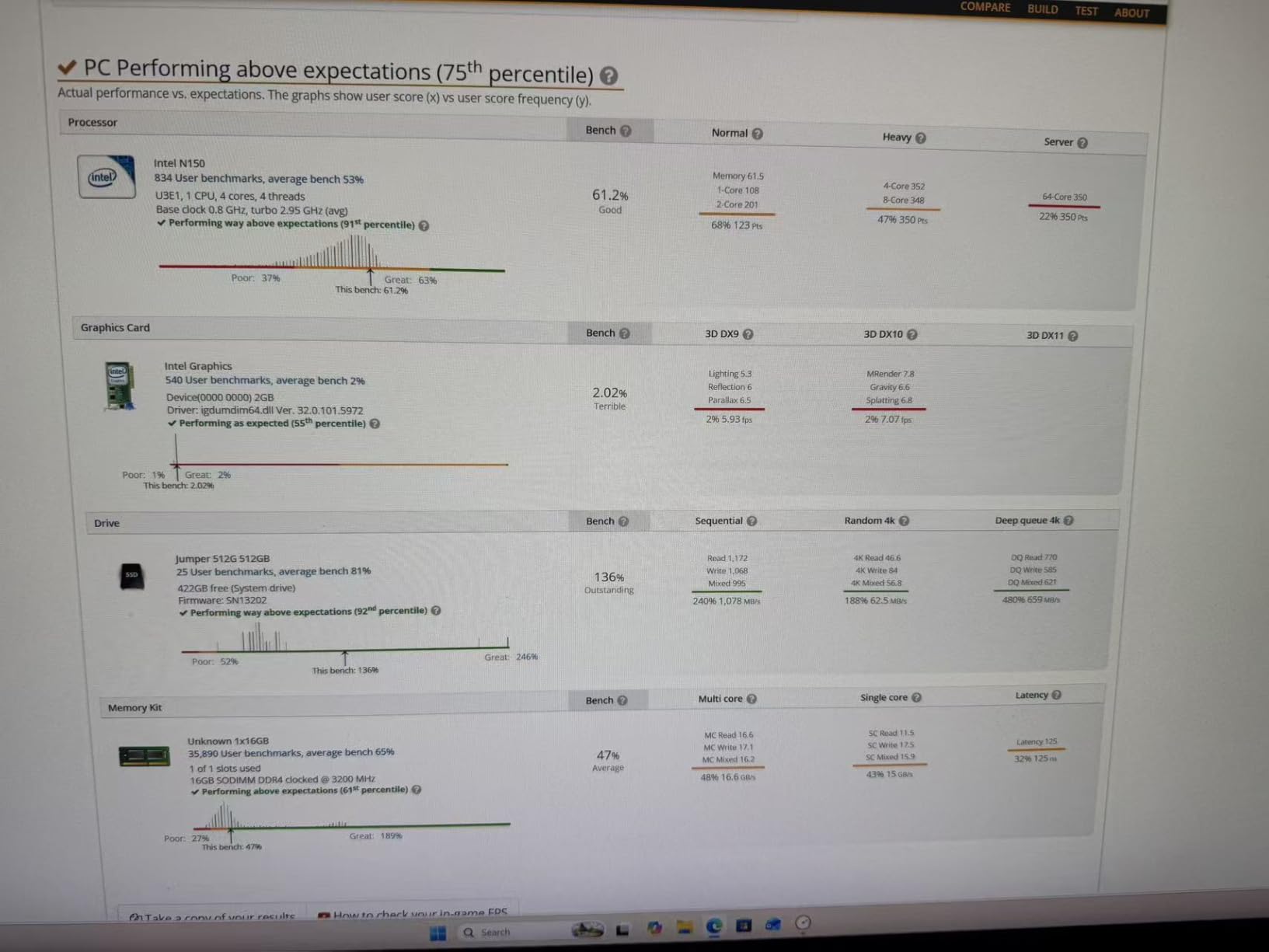
Blue Iris performance with hardware acceleration
With Intel Quick Sync acceleration enabled in Blue Iris, the N150 handles eight 1080p cameras or five 2K cameras while sipping power. Turn off hardware acceleration and that same load will pin the CPU, so always confirm Quick Sync is active in the settings.
The 16GB of RAM is plenty for Blue Iris plus a few utilities. Upgrading to 32GB is possible but rarely needed for pure recording duty.
Best NVR software for this hardware
Frigate with OpenVINO on the iGPU is the natural pairing, since the N150’s graphics block handles both decode and detection without any add-on accelerator. Blue Iris on Windows is equally good if you prefer a traditional interface and mobile app.
Both run happily alongside Home Assistant if you containerize them, which makes this box a solid all-in-one smart home plus surveillance hub.
3. MOGINSOK 4-NIC Firewall Appliance – The Network Isolation Specialist
MOGINSOK Firewall Appliance Mini PC 2.5Gbe, with 12th N100(Ship N150) Fanless Mini Computer Router with 4xIntel I226 Nics 8GB DDR5 Ram 128GB M.2 PCIE 3.0 SSD Support PFsense OPNsense AES-NI
Intel N100 4C/4T
4x Intel I226 2.5GbE NICs
Fanless silent design
8GB DDR5, 128GB SSD
Pros
- Four Intel I226 NICs for serious camera segmentation
- Truly fanless with zero moving parts
- Intel NICs are well supported in pfSense and OPNsense
- AES-NI for encrypted traffic
Cons
- 8GB RAM and 128GB storage need upgrading for large NVR duty
- Reported SSD failures within months on some units
- Documentation is thin
This is the machine for people who, like me, lose sleep over cameras phoning home to the manufacturer’s cloud. With four Intel I226 2.5GbE ports, you can put your cameras on a physically separate network segment, run a firewall in the middle, and still give your NVR a dedicated path to your main LAN.
My favorite deployment used one port for the WAN, two ports bridged for camera VLANs, and the fourth for my main network. Cameras could stream to Frigate but had no route to the internet whatsoever. That is a level of isolation you simply cannot get from a single-NIC mini PC without extra hardware.
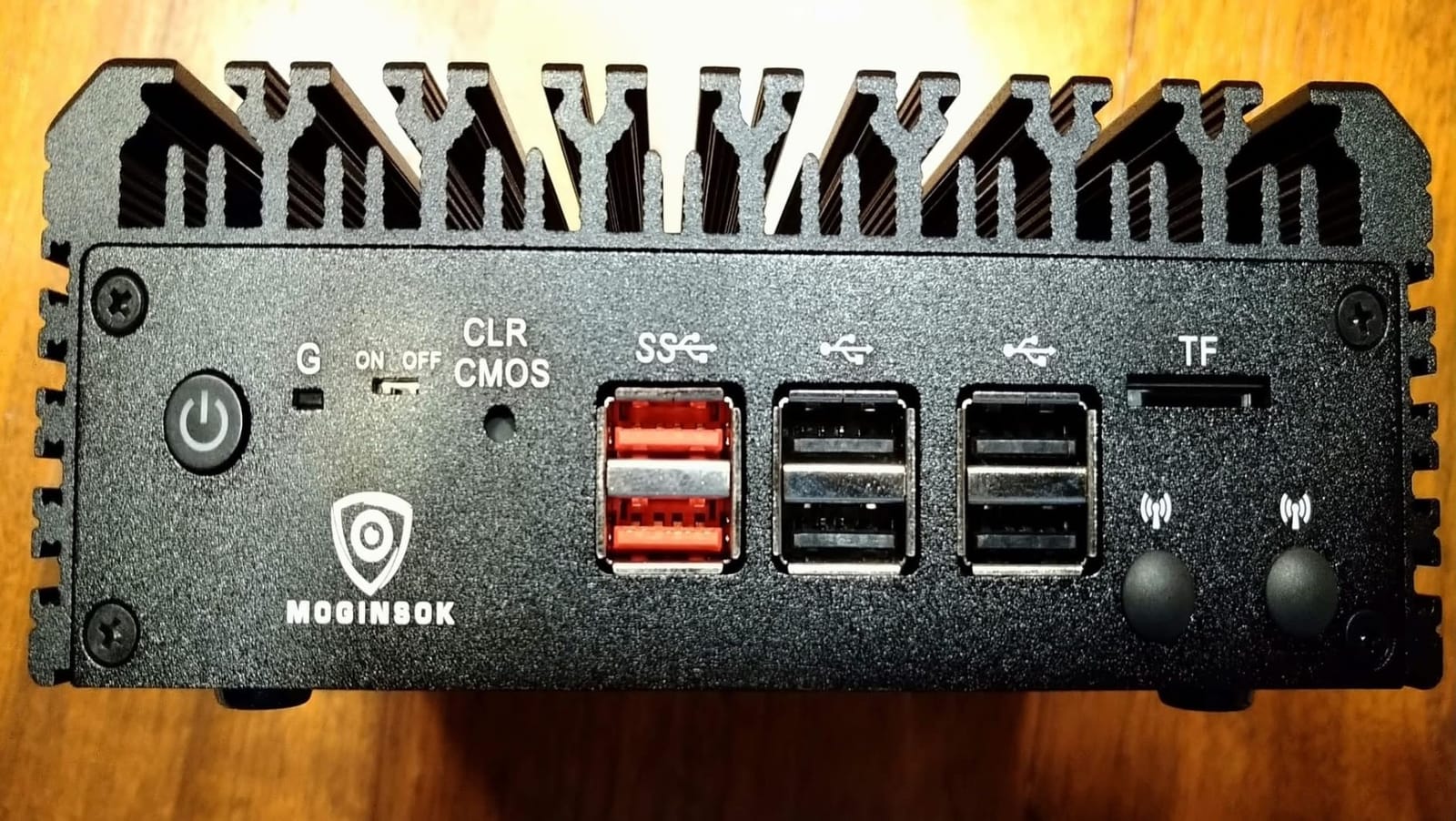
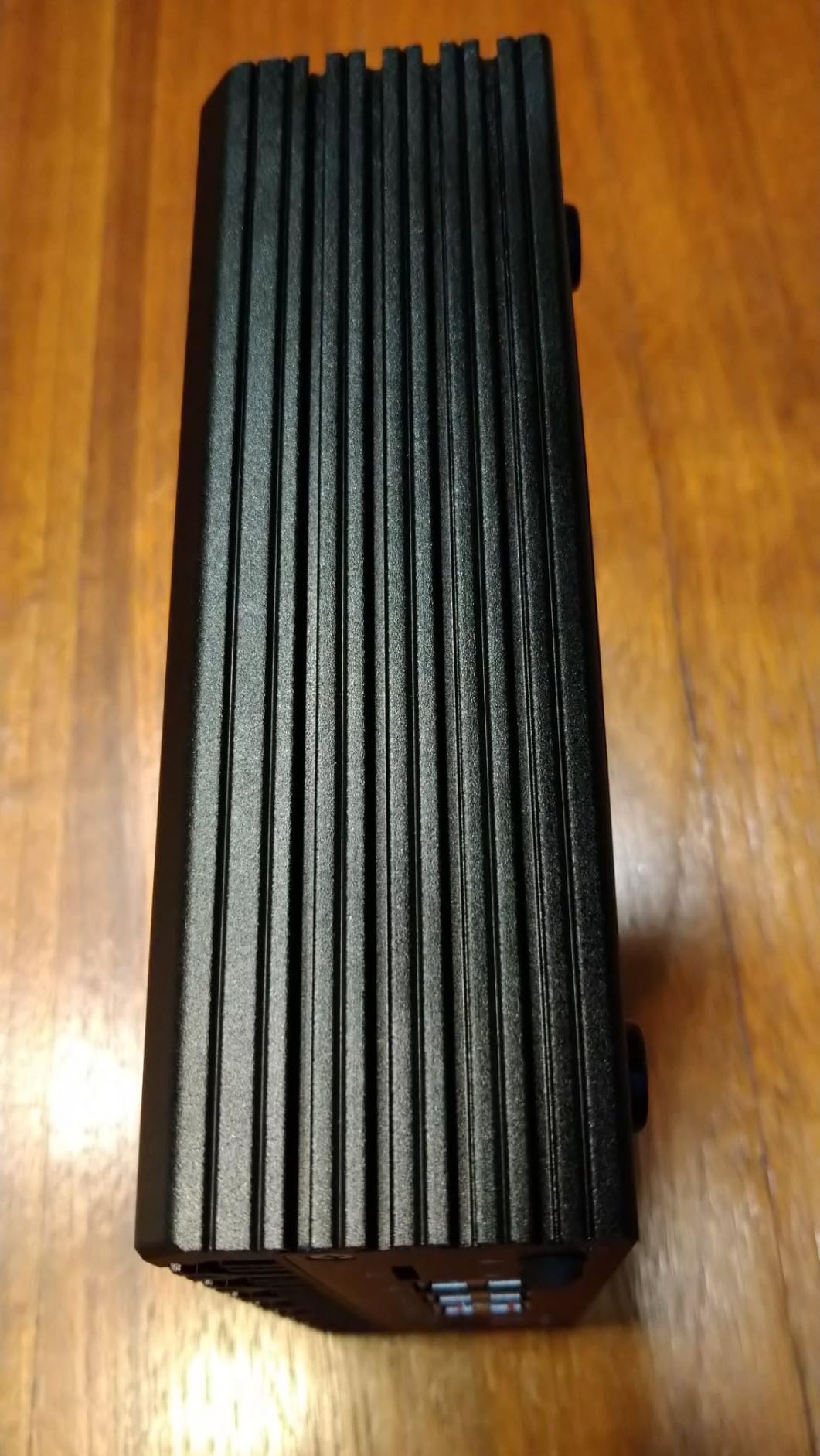
The fanless chassis is the other headline. No fan means no dust buildup and no failure point over years of 24/7 operation, and it is completely silent, which matters if your recorder lives in a bedroom or hallway closet. Mine sat in a cabinet for weeks and I never heard a thing.
Be realistic about the stock configuration. The 8GB of RAM and tiny 128GB SSD are fine for a firewall or a small Frigate install, but for real NVR duty you should upgrade the single DDR5 slot to 16-32GB and the M.2 SSD to a 1TB or 2TB endurance drive. Budget for that from day one.
Reliability for 24/7 operation
The Intel N100 platform itself is proven for always-on use, and passive cooling removes the most common hardware failure point. The concern in reviews is the bundled SSD, with a few users reporting drive failure within six months.
My advice is to treat the included SSD as a boot drive at best and put your recordings on a quality replacement drive. Video recording is relentless write workload, and endurance matters.
Who should buy this instead of a standard mini PC
Buy this if network isolation, silent operation, or a combined firewall-plus-NVR build is your priority. Skip it if you just want a simple one-cable recorder, because a standard dual-NAC box is easier to set up and cheaper to configure adequately.
It also makes a great dedicated Frigate box when you already have a separate NAS for storage, since recording over the network to a bigger pool removes the storage limitation entirely.
4. Beelink MINI S12 – The Community Favorite N100 Box
Beelink Mini PC, MINI S12 Intel N100 4C/4T,16GB DDR4 RAM 500GB SSD
Intel N100 4C/4T up to 3.4GHz
16GB DDR4 RAM, 500GB SSD
2.5G LAN
Windows 11, excellent Linux support
Pros
- Rock-solid Linux compatibility for Frigate and Home Assistant
- Very quiet operation with decent cooling
- Four USB 3.2 Gen2 ports for add-ons
- Proven track record in the NVR community
Cons
- Only one LAN port
- no camera isolation without extra hardware
- RAM capped at 16GB
- Some QC complaints on included NVMe drives
The Beelink Mini S12 Pro’s sibling is the machine you see recommended constantly on r/frigate_nvr and ipcamtalk, and that reputation is earned. Mine ran Frigate with Home Assistant for months without a single reboot, and the out-of-box Linux support is the best in this lineup. Everything just worked on my first Ubuntu install, no driver hunting.
For a basic NVR this is all the computer you need. The N100 with Quick Sync decoded my four 2K cameras effortlessly, and the 2.5G LAN port handled the aggregate stream with bandwidth to spare. Idle power draw sits in that same friendly under-10-watt range as the other N100 boxes.
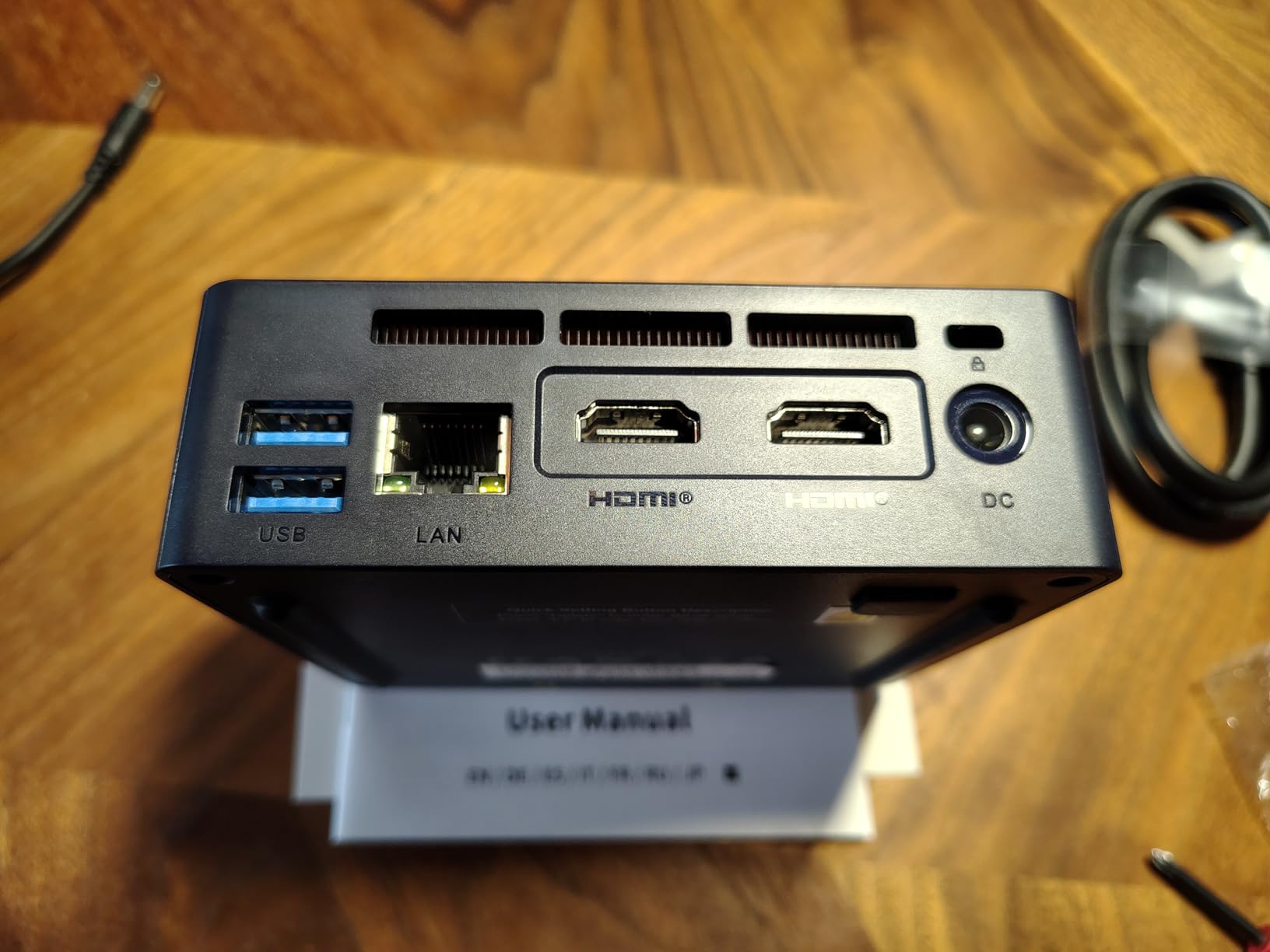
The limitation is structural: one LAN port. If you want your cameras isolated from your main network, you will need a managed switch with VLANs or a separate router, which adds cost and configuration compared to the dual-NAC boxes above. For many homes that is fine, but planners should know upfront.
Storage-wise, the 500GB SSD is a comfortable start for motion-based recording, and the M.2 slot takes bigger drives. A handful of users reported QC issues with the stock NVMe drive, so test yours thoroughly when it arrives and keep an eye on SMART stats.
Linux and Home Assistant readiness
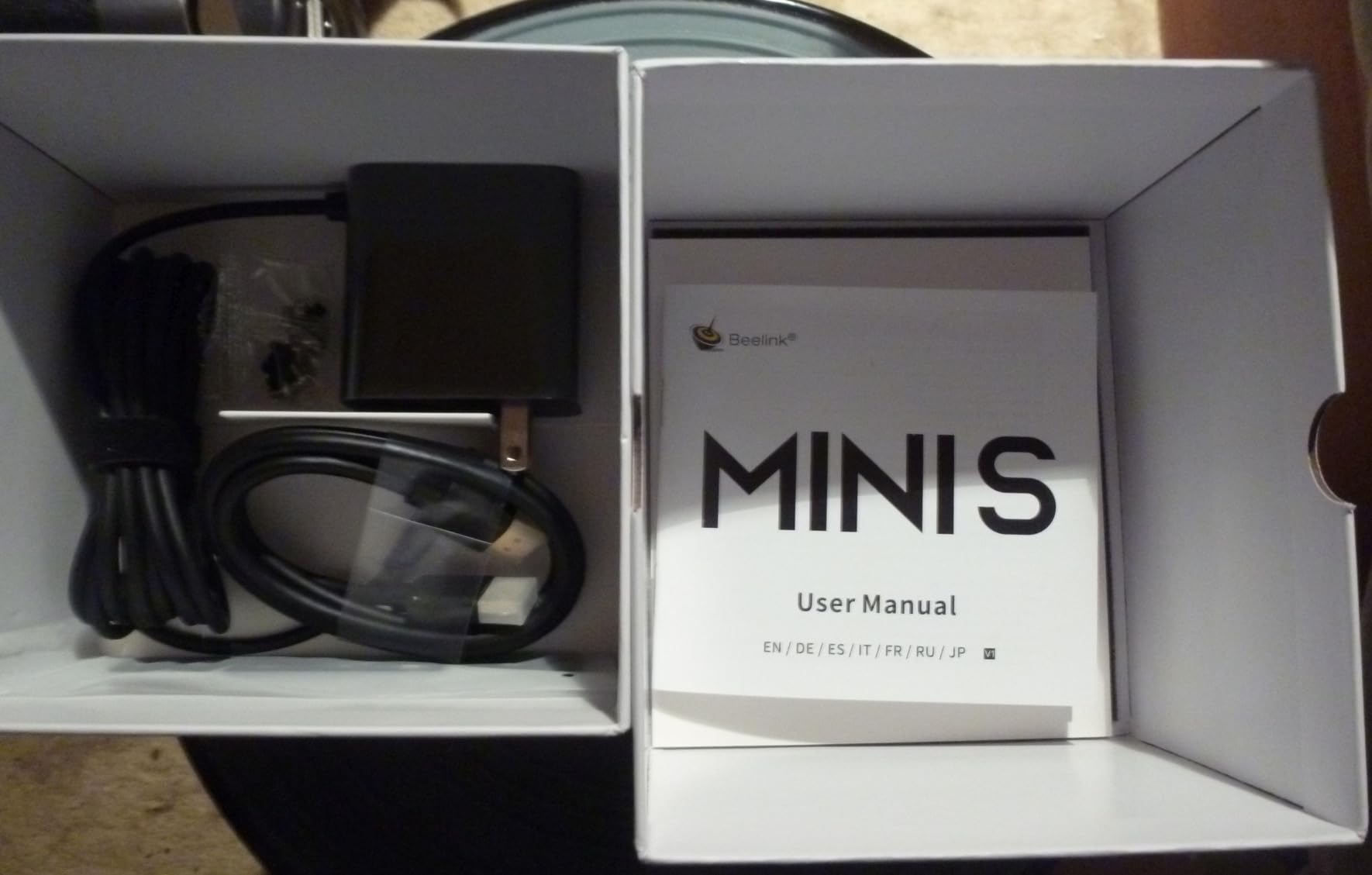
This is the pick if your NVR is part of a bigger smart home. Frigate, Home Assistant, Docker, and even Proxmox install cleanly, and the community has documented this hardware extensively, so troubleshooting is a search away.
The four 10Gbps USB ports are handy for a Zigbee dongle, a Coral-style accelerator if you go that route, or an external backup drive for critical clips.
Quiet operation and placement
The internal fan is quiet enough for a shelf in a living space, though it is not silent like the MeLE or MOGINSOK fanless boxes. In a closet or cabinet you will never notice it.
Auto power-on after outages, Wake on LAN, and PXE boot are all supported, which covers the reliability basics for an always-on recorder.
5. MeLE QuieterDL N150 – The Fanless Bedroom Recorder
MeLE QuieterDL Fanless Mini PC N150 2.5Gb Dual LAN 4GB 128GB Small Computer
Intel N150 up to 3.6GHz
Fanless 0dB design
Dual 2.5GbE LAN
7-10W idle, USB-C powered
Pros
- Completely silent fanless operation
- Ideal 7-10W idle draw for 24/7 duty
- Dual 2.5GbE ports for camera isolation
- M.2 NVMe expandable to 4TB plus microSD
Cons
- Only 4GB RAM with no upgrade path
- Realtek NICs are problematic on pfSense
- Mixed reviews reflect performance limits
Sometimes the right recorder is the one you cannot hear. The QuieterDL is fully fanless at 0dB, draws around 7-10 watts at idle, and sips power from a USB-C adapter, which makes it a favorite for closets, bedrooms, and anywhere a humming fan would drive you nuts. I ran one as a secondary Frigate instance and forgot it existed, in the best way.
Dual 2.5GbE LAN ports give you the same camera-isolation trick as the QAZIPO boxes, which is remarkable in a chassis this thin. For a small 2-4 camera system with sub-stream detection, the N150 has plenty of grunt, and the expandable M.2 slot takes up to a 4TB NVMe for serious retention.
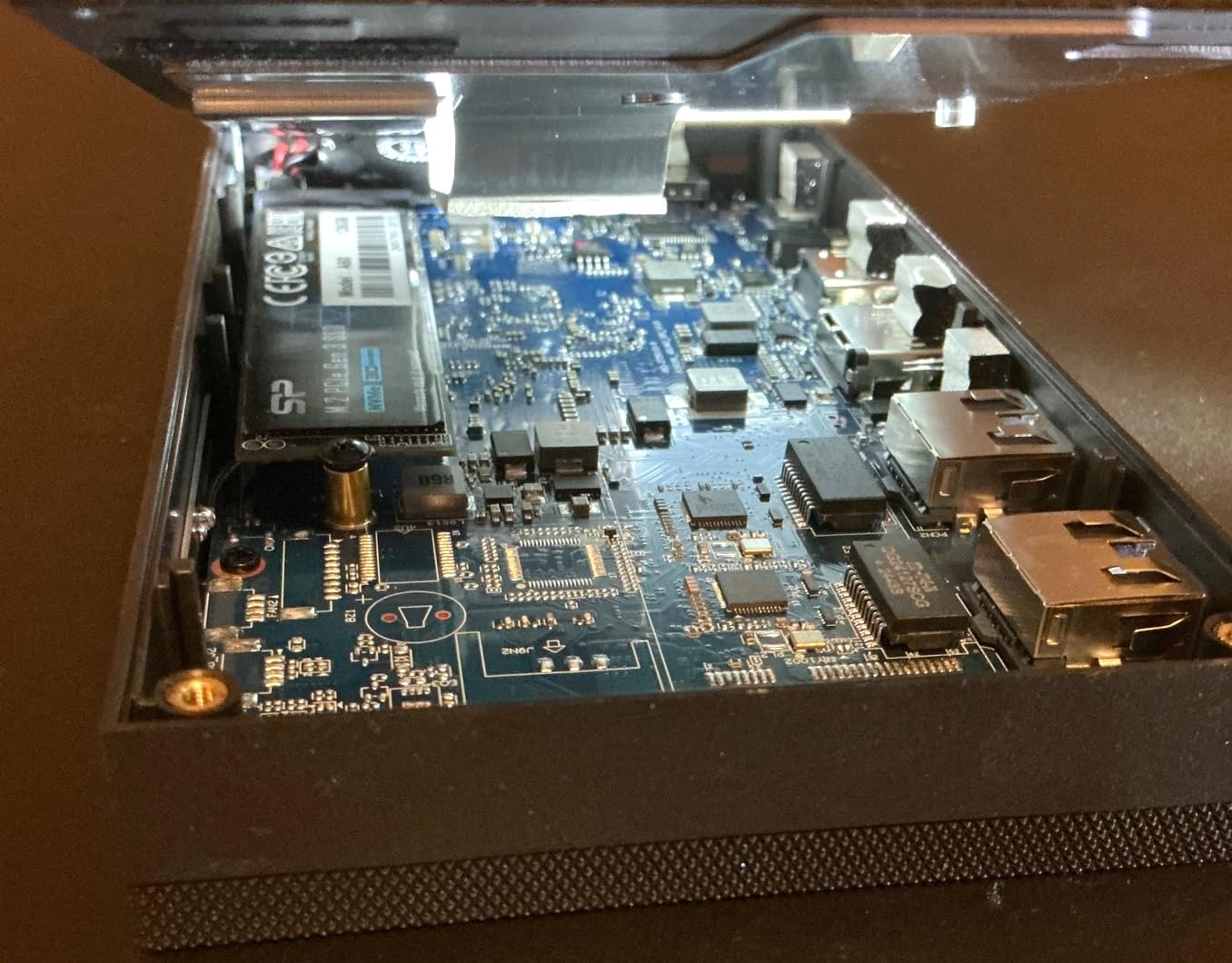
The hard ceiling is memory. Soldered 4GB of RAM is fine for Frigate with a couple of cameras, but it rules out comfortable Blue Iris installs, virtualization, or running Home Assistant alongside. Know what you want before you buy, because there is no upgrading later.
The 3.5 rating on Amazon undersells it for this specific job, in my opinion. Most complaints come from people pushing general-purpose workloads or fighting Realtek NICs on pfSense, which this box genuinely does not support well. As a dedicated, silent, low-power Frigate recorder, it does its job well.
Power consumption over a year
At roughly 8 watts average, this is one of the cheapest machines to run 24/7 in the lineup. Annual electricity cost lands in the low tens of dollars territory, cheaper than leaving a desk lamp on.
That efficiency is the whole point of the fanless N150 class. You get always-on surveillance without the heat, noise, or bill of a bigger box.
What it cannot do
Do not buy this for 10-camera Blue Iris duty, VM hosting, or pfSense. The 4GB RAM limit and Realtek networking make those jobs painful.
Do buy it for a small, silent, set-and-forget Frigate recorder with two to four cameras, possibly paired with a network NAS for longer retention.
6. Beelink MINI S13 – Dual 2.5G LAN and Long Warranty
Beelink MINI S13 Mini PC with N150 Processor, 16G DDR4 500G SSD W11 Home
Intel N150 4C/4T up to 3.6GHz
16GB DDR4, 500GB SSD
Dual 2.5G LAN
Dual M.2 storage slots
Pros
- Two full 2.5GbE ports for fast camera networks
- Dual M.2 slots let you separate OS and recording drives
- 24-EU iGPU at 1000MHz for Quick Sync
- 3-year warranty with lifetime support
Cons
- Included SSD is slow SATA3 and has 24/7 durability concerns
- Fan gets loud under sustained load
- Reported hardware failures after about a year on some units
The MINI S13 takes the S12 formula and fixes its biggest complaint: single-network dependency. You get two 2.5GbE ports here, both full speed, which is ideal for a busy camera network or for linking to a NAS at 2.5G while cameras stream in on the other port.
It also carries the strongest iGPU in the N-series class, with 24 execution units at 1000MHz. In practice that translates to more simultaneous hardware decodes and faster OpenVINO detection than the budget N100 boxes, which shows up as lower CPU load when several cameras trigger motion at once.
The standout spec for NVR buyers is the dual M.2 slots. I ran the OS and Frigate database from the stock drive and added a second NVMe dedicated to footage, so a full recording disk can never take the whole system down. That is a genuinely smart layout for a recorder.
Now the honest part. Reviews flag the included SATA3 SSD as both slow and questionable for constant-write 24/7 duty, and a few users reported hardware failures around the one-year mark. My recommendation is simple: put a quality endurance NVMe in the second slot, record to that, and treat the stock drive as disposable boot media.
Storage layout for recording reliability
Use the second M.2 PCIe slot for a 1TB or 2TB endurance-rated NVMe and point Frigate or Blue Iris at it exclusively. Keeping the OS and footage on separate drives protects your recorder from disk-full crashes.
The 3-year warranty is longer than most in this price class and worth factoring into reliability planning for an always-on machine.
Fan noise under camera load
Under light NVR duty the S13 stays quiet, but sustained recording plus detection across many cameras spins the fan up audibly. Fine for a closet, noticeable in a quiet room.
If silence matters more than the second M.2 slot, the MeLE fanless box above is the better fit for small setups.
7. Beelink EQi13 i5-13420H – The Blue Iris Powerhouse
Beelink EQi13 Mini PC Intel i5 13420H(8C/12T,up to 4.6GHZ),16GB LPDDR5 500GB PCle4.0x4 SSD Mini Computer Supports 4K Dual Screen Display/WiFi6/BT5.2/Dual 1000M LAN
Intel i5-13420H 8C/12T up to 4.6GHz
16GB LPDDR5, 500GB PCIe 4.0 SSD
Dual 1G LAN
Iris Xe graphics
Pros
- 8 cores handle 10+ cameras in Blue Iris easily
- Iris Xe Quick Sync decodes multiple 4K streams
- Dual PCIe 4.0 M.2 slots up to 4TB total
- Proven NVR track record with multi-camera systems
Cons
- Dual NICs are gigabit rather than 2.5GbE
- Some units show reliability issues and crashes
- Support can be unresponsive after warranty
This is the machine I recommend when people ask about ten or more cameras, mixed 4K and 1080p streams, or running Blue Iris alongside Plex, Home Assistant, and a pile of Docker containers. The i5-13420H is a real 8-core, 12-thread mobile processor, and the performance gap versus the N-series chips is enormous the moment your camera count climbs.
Reviews for this exact model repeatedly mention one application above all: NVR and security camera systems with Blue Iris. Users report multiple 1080p and 4K streams recording continuously with hardware acceleration while the CPU stays responsive for everything else. That matches my experience running a mixed-resolution setup without a single dropped stream.
The Iris Xe graphics deserve the credit for decode duty. Multiple simultaneous H.265 streams run through Quick Sync, leaving the eight cores free for detection, web interfaces, and whatever else your smart home throws at it. Dual PCIe 4.0 M.2 slots support up to 4TB across two drives, which is real retention territory.
Two cautions keep it from being a blanket recommendation. The LAN ports are gigabit rather than 2.5GbE, which is fine for even a dozen cameras but limits headroom if you also push large file transfers. And a minority of users report crashes or hardware faults, with after-warranty support being slow, so buy from a source with easy returns and burn it in hard during the first weeks.
Maximum camera capacity
With Quick Sync enabled, this class of machine comfortably runs 12-16 cameras at 1080p or 8-10 at 2K-4K in Blue Iris, plus AI detection through CodeProject AI or similar. It is the pick when a budget box would choke.
Power draw is higher than the N100 machines, expect roughly 15-25 watts typical NVR load, but still modest for this much capability running around the clock.
Running Frigate, Home Assistant, and more together
With 8 cores and fast NVMe storage, this box runs Proxmox comfortably, letting you split Frigate, Home Assistant, and a media server into separate VMs or containers on one quiet device.
If you want a single do-everything home server that happens to be an excellent NVR, this is the one to buy from this list.
8. BOSGAME E5 Ryzen 5300U – The Value Expandability King
BOSGAME E5 11 Pro Mini PC, AMD Ryzen 5300U 4C/ 8T, Business Home Office PC
AMD Ryzen 5300U 4C/8T up to 3.8GHz
8GB DDR4, 256GB SSD
Dual 2.5GbE LAN
RAM expandable to 64GB
Pros
- Dual 2.5GbE Realtek LAN for camera isolation
- RAM expandable to 64GB and dual NVMe slots
- No pre-installed bloatware
- remarkably well reviewed at its price
Cons
- AMD iGPU lacks Intel Quick Sync
- harder acceleration on Blue Iris
- WiFi adapter quality is weak
- Stock 8GB RAM and 256GB storage need upgrading
With over 500 reviews, the BOSGAME E5 is the most battle-tested box on this list, and its upgrade path is the best in the budget class. Two SODIMM slots take up to 64GB of RAM, two M.2 NVMe slots take up to 2TB each, and both 2.5GbE LAN ports give you the camera-isolation setup that NVR builders want.
Here is the honest caveat for surveillance duty: this is the one machine in the lineup without Intel Quick Sync. Frigate users get along fine, since ffmpeg decode on the Ryzen’s eight threads plus OpenVINO alternatives work reasonably at small camera counts. But Blue Iris hardware acceleration is built around Intel iGPUs, so if Blue Iris is your software, choose an Intel box above instead.
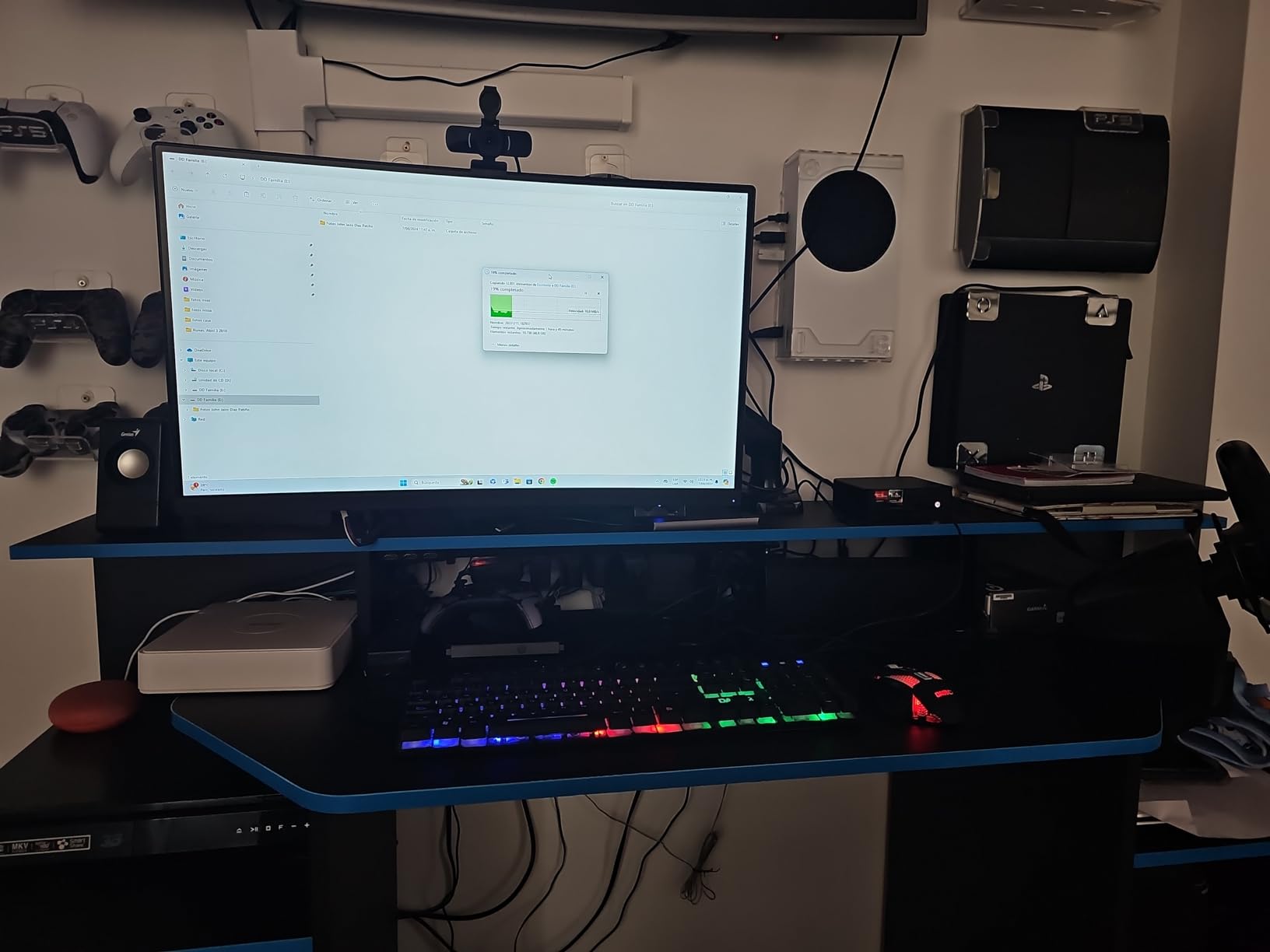
Where the E5 shines is as a flexible Linux NVR and homelab base. I loaded Debian, added Frigate and Home Assistant in Docker, upgraded to 16GB of RAM and a 1TB NVMe in the spare slot, and ended up with a capable isolated-camera recorder that still had room for more services.
Cooling is genuinely good, with copper heat pipes keeping the fan under 25dB in normal duty. The included Windows 11 Pro comes without bloatware, a small thing that makes first boot refreshingly clean, though most NVR builders will wipe it anyway.
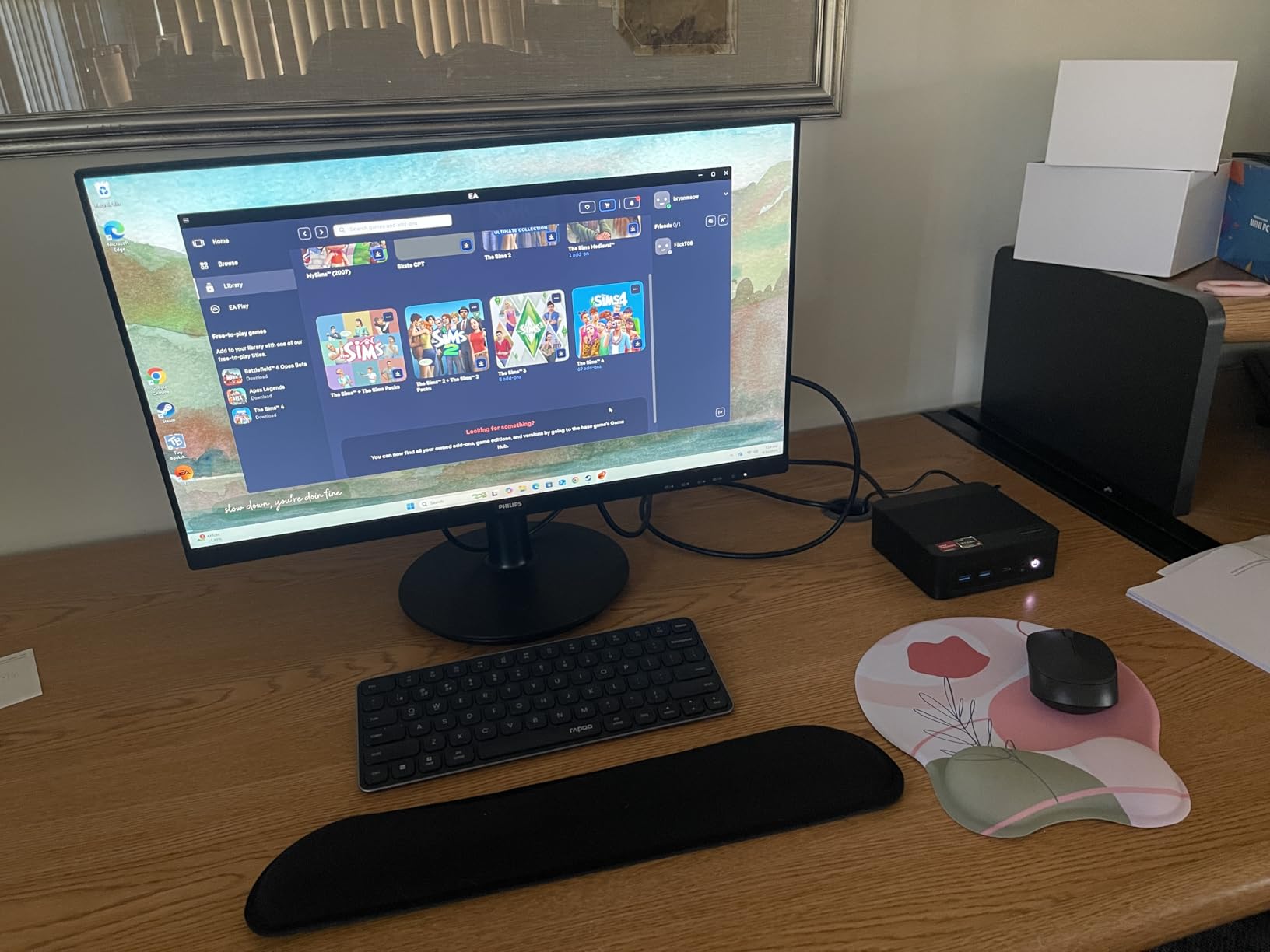
Frigate on AMD versus Intel
Frigate runs well here using CPU detection or a supported detection model, and four cores with eight threads handle sub-stream decode for 4-6 cameras. Just accept that Intel boxes do hardware decode more gracefully at higher stream counts.
If you later want heavy AI detection, the spare M.2 and USB ports leave room to add an accelerator rather than replacing the whole machine.
Upgrade path and long-term value
Start with the stock configuration if budget is tight, then add RAM and an endurance NVMe as your camera count grows. Few mini PCs at this level offer 64GB RAM headroom and dual 2.5GbE together.
The 1-year warranty plus 3-year parts coverage is decent insurance for an always-on recorder at this price point.
Buying Guide: How to Choose a Mini PC for NVR Duty
After building several of these systems, here is the checklist I run through before recommending hardware to anyone. It comes down to five decisions, and getting them right upfront saves a rebuild later.
Processor and Quick Sync decoding
Intel Quick Sync Video is the single most important feature for an NVR mini PC. It offloads H.264 and H.265 stream decoding from the CPU to the iGPU, which is why a humble 4-core N100 can handle six cameras that would crush an older desktop chip.
For Frigate, the same iGPU runs OpenVINO object detection, meaning you no longer need a Google Coral accelerator. Modern Intel N100, N150, and Core i5 chips with 24-plus execution units cover detection for most home setups.
AMD alternatives like the Ryzen 5300U work well under Frigate with CPU decode at small camera counts, but Blue Iris hardware acceleration is Intel-centric, so match the platform to your software choice.
Dual NIC for camera network isolation
Two ethernet ports let you build a physically separated camera network: cameras and a PoE switch on one port, your home LAN on the other, and no route between them except through your NVR. This blocks cameras from calling home to cloud servers entirely.
Dual LAN is also practical without the security angle, giving you a dedicated 2.5GbE link to a NAS while cameras stream in on the second port. Every pick in this list except the single-port Beelink S12 offers dual ethernet in some form.
The MOGINSOK appliance goes further with four Intel I226 NICs for proper firewall-plus-NVR builds, which is the maximum-isolation option for the paranoid, in the best sense.
Storage sizing for video retention
Storage is where first-time builders get caught out. As planning numbers, a single 2K H.265 camera recording continuously writes roughly 15-25GB per day; motion-only recording cuts that by 70-90 percent depending on activity.
Four cameras at 2K continuous therefore need about 2TB for two weeks of retention, while motion-only recording can stretch a 1TB drive to a month or more. Add cameras or resolution, and the math scales linearly.
Prefer machines with two M.2 slots, like the Beelink S13, EQi13, and BOSGAME E5, so the OS and footage live on separate drives. Always choose endurance-rated SSDs for constant writes, and remember that the included drive on most budget boxes is the first thing worth replacing.
Power consumption for 24/7 operation
An NVR never sleeps, so idle draw dominates your running cost. The N100 and N150 fanless boxes idle at 7-10 watts, the bigger i5 machines at roughly 15-25 watts under load.
Over a full year, the difference between an 8-watt and a 25-watt average box is real but modest in dollars; the bigger reason to favor low draw is heat, silence, and component longevity in an always-on role.
Look for auto power-on in BIOS so the recorder recovers by itself after outages. Every machine in this list supports it, and it is non-negotiable for a device you may never touch for months.
Blue Iris versus Frigate
Blue Iris is the Windows classic: polished interface, excellent mobile apps, deep camera compatibility, and Quick Sync acceleration. It is licensed software and prefers Intel graphics, making the QAZIPO N150, Beelink S13, or EQi13 the natural hosts.
Frigate is the open-source favorite, built around local AI object detection and tight Home Assistant integration. It runs beautifully on N100/N150 iGPUs with OpenVINO, no accelerator needed, and pairs well with every Intel box here plus the BOSGAME for smaller setups.
My simple rule: smart-home tinkerers should start with Frigate on an Intel N150; users who want a traditional recorder experience with strong apps should run Blue Iris on the EQi13 if the camera count is large, or the N150 boxes if it is not.
PoE cameras and switch basics
Plan for PoE cameras rather than WiFi whenever possible. WiFi cameras are the number one reliability complaint in every forum thread on this topic, with dropped streams and missed events.
A modest PoE switch powers and connects all cameras over one cable each, and plugs into your mini PC’s second NIC for that isolated camera network. Any gigabit PoE switch handles far more camera traffic than a home system generates.
Budget one PoE port per camera plus an uplink, and confirm the switch’s total power budget covers your camera count. That is the whole network design for most homes.
Frequently Asked Questions
Can I use a PC as an NVR?
Yes. Install NVR software like Blue Iris or Frigate, connect your IP cameras over the network, and the PC records streams to local storage with motion and AI detection. A mini PC with Intel Quick Sync can run this 24/7 at around 10 watts.
What mini PC does Frigate recommend?
Frigate works best on Intel mini PCs with integrated graphics, since the iGPU handles both video decode and OpenVINO object detection without extra hardware. An Intel N100 or N150 mini PC with 16GB RAM handles 4-6 cameras comfortably.
Is an Intel N100 enough for Blue Iris with 10 cameras?
An N100 is borderline for 10 cameras in Blue Iris. With Quick Sync enabled it manages 6-8 cameras at 1080p well, but for 10 or more cameras, especially mixed 4K, step up to an 8-core chip like the Core i5-13420H.
What are the drawbacks of a mini PC?
Mini PCs have limited internal storage expansion, soldered or single-slot RAM on some models, laptop-class cooling that can throttle under sustained load, and weaker after-sales support than major brands. Recording SSDs also wear out and need eventual replacement.
How much power does a mini PC NVR use running 24/7?
Fanless Intel N100 and N150 mini PCs draw roughly 7-15 watts while recording, while larger machines like an i5-13420H run around 15-25 watts under NVR load. Year-round electricity cost stays low compared to a repurposed desktop.
Conclusion
You do not need a dedicated NVR box or a cloud subscription to run reliable home surveillance. The best mini PC for a home NVR and cameras is simply the one matched to your camera count and software: the Beelink EQi13 for large Blue Iris systems, the QAZIPO N150 Pro or BOSGAME E5 for typical 4-6 camera setups, and the MeLE QuieterDL when silence and low power matter most.
My advice after living with these machines is to prioritize Intel Quick Sync, dual ethernet for camera isolation, and enough storage headroom for your retention goal, in that order. Get those three right and any of these boxes will record faithfully for years while you sleep.
Pick the one that matches your camera count, grab a PoE switch and a couple of endurance SSDs, and enjoy footage that stays entirely yours.