
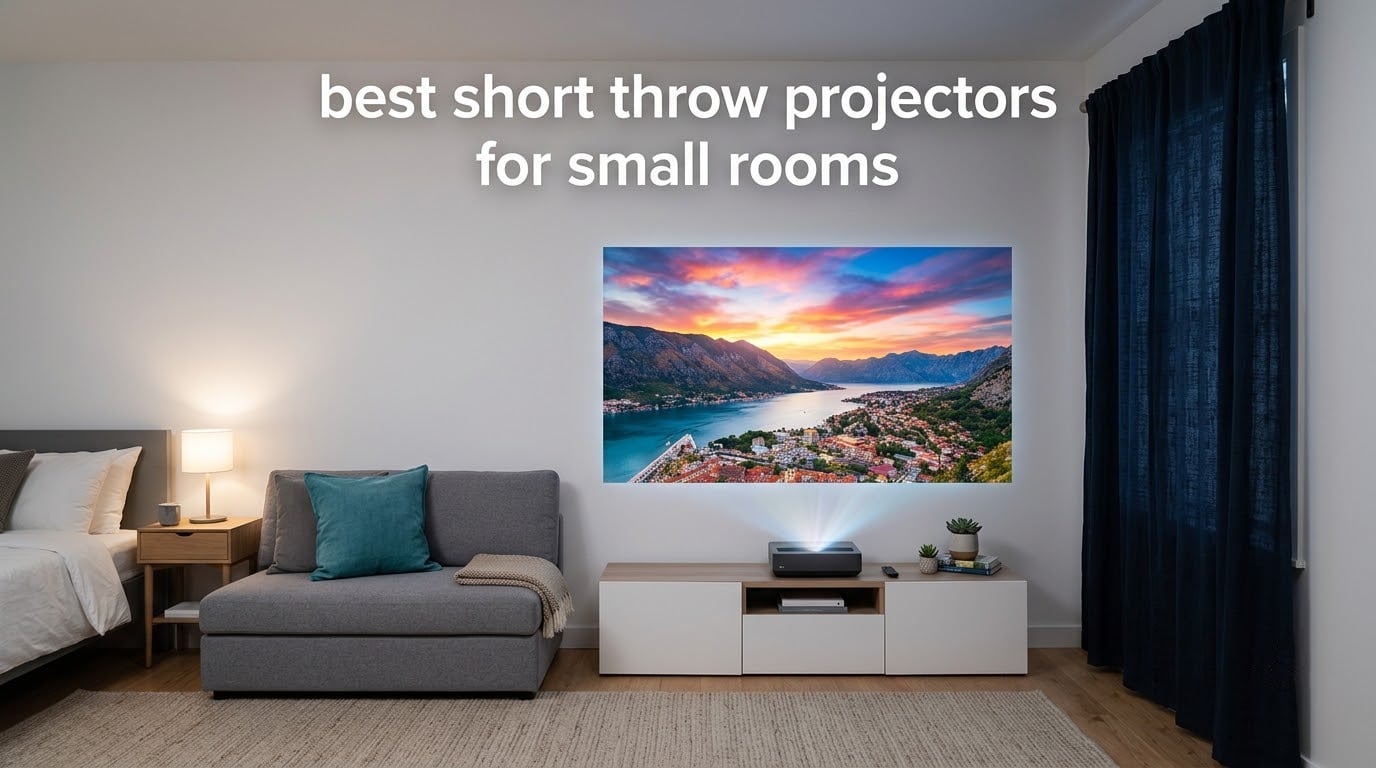
A short throw projector is the only practical way to get a genuinely large screen in a room that does not have one. A standard-throw model needs roughly 12 to 15 feet of depth to fill a wall, which in a 10-foot bedroom means a 60-inch image or a projector pointed over your shoulder. Short throw optics cut that distance to 4 or 5 feet for the same picture, and ultra short throw units collapse it to under a foot.
That is why the best short throw projectors for small rooms have become a category of their own rather than a niche. Studios, dorm rooms, small bedrooms and compact living rooms all hit the same constraint: a viewing wall that is closer than the projector is deep. We went through 12 models that solve it, from a 2.6-pound unit with a rotatable stand to a 28-pound triple-laser cabinet that puts 150 inches on the wall from 13 inches away.
Before we get to the list, here is the whole decision in one paragraph. Brightness decides whether you can watch with a lamp on, throw ratio decides whether the image fits at all, and the light source decides how much maintenance you will ever do. Everything else is preference. A lamp-based DLP with 4000 ANSI lumens will out-light most laser projectors in a bright room, while a laser engine in a dark bedroom will look better and last longer. In 2026, those three numbers are still the only ones that matter.
Table of Contents
Top 3 Best Short Throw Projectors for Small Rooms in October

BenQ TH671ST
- 3000 ANSI lumens
- Native 1080p DLP
- 100 inch image from 5 feet
- Very low input lag

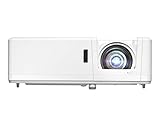
Optoma GT1090HDR
- 4200 ANSI lumens
- Laser source rated 30000 hours
- 120 inch image from 4 feet 4 inches
Before the individual reviews, one quick look at the most common alternative. If your wall is wide open and the unit can sit across the room, our ultra short throw projector picks for living rooms cover the cabinet-style models in more depth. The list below stays focused on rooms where distance is the binding constraint.
How Throw Ratio Decides What Fits in a Small Room
Throw ratio is the distance from the lens to the screen divided by the width of the image. A 0.5:1 lens means the image is twice as wide as the distance from the wall. That single number determines whether a projector works in your room at all, and it is the one spec most worth checking before anything else.
Here is the worked example people ask about most. A 100-inch 16:9 image is about 87 inches wide, or 7.25 feet. At a 0.5:1 ratio, the projector sits 3.6 feet from the wall. At 0.8:1 it sits 5.8 feet. At 1.0:1, a full 7.25 feet. At 1.3:1, a standard-throw lens, it needs 9.4 feet, and that is before you account for the depth of the unit itself.
So in a 9-foot room, a standard-throw projector tops out around a 65-inch image once you account for the body of the unit. The same room with a 0.5:1 short throw lens fits a 120-inch image, and a 0.25:1 ultra short throw unit fits 150 inches with the projector sitting on the media console. If your room is under 8 feet of viewing depth, the honest answer is that you are shopping for ultra short throw, not short throw, and that changes the price band and the screen you will need.
Short Throw vs Ultra Short Throw vs Standard Throw
Short throw, in common use, covers roughly 0.4:1 to 0.9:1. It needs a shelf or dresser across the room, it tolerates a normal painted wall, and it is where most of the value in this list sits. Ultra short throw runs from about 0.15:1 to 0.25:1, sits directly beneath the screen, and demands a flat wall plus a dedicated ALR screen to avoid a washed-out picture.
Standard throw starts near 1.3:1 and needs 10 feet or more. In a small room it is the wrong tool. The recurring complaint in owner discussions we reviewed is exactly this: people buy a capable projector, discover it only fills the width of their own television, and end up wondering what they paid for.
There is a real trade-off on the other side of the UST line. Ultra short throw units sit so close to the wall that ambient light hits the image directly, and a plain white wall makes contrast look poor. They also cost more and, in the case of the 4K models here, weigh 19 to 28 pounds. If your room can give a projector 5 feet of depth, a short throw unit with real ANSI brightness is often the smarter buy.
All 12 Best Short Throw Projectors for Small Rooms in 2026
| Product | Specs | Action |
|---|---|---|
| BenQ TH671ST |
|
Check Latest Price |
| Hisense PL2 |
|
Check Latest Price |
| Optoma GT1090HDR |
|
Check Latest Price |
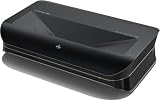 AWOL VISION LTV-3000 Pro AWOL VISION LTV-3000 Pro |
|
Check Latest Price |
 ViewSonic PS502W ViewSonic PS502W |
|
Check Latest Price |
 TOPTRO TP3 TOPTRO TP3 |
|
Check Latest Price |
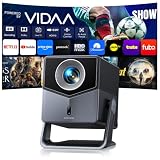 TOPTRO A2 TOPTRO A2 |
|
Check Latest Price |
 BenQ MW632ST BenQ MW632ST |
|
Check Latest Price |
 Optoma GT2000HDR Optoma GT2000HDR |
|
Check Latest Price |
 WEMAX Nova Pro WEMAX Nova Pro |
|
Check Latest Price |
 iSinbox iSinbox |
|
Check Latest Price |
 CiBest Mini CiBest Mini |
|
Check Latest Price |
1. BenQ TH671ST: The Best Short Throw Projector Overall
BenQ TH671ST 3000 Lumens 1080p Short Throw Home Entertainment Projector
3000 ANSI lumens
Native 1080p DLP
100 inch image from 5 feet
10000 hour lamp
Pros
- 3000 ANSI lumens holds up with lights on
- Native 1080p with 92% Rec.709 color accuracy
- Very low input lag suits console gaming
- 100-inch image from about 5 feet
- Built-in speakers fill a small room
Cons
- Short throw is less aggressive than ultra short throw models
- One-direction zoom fixes screen size before mounting
- No optical audio out for external sound
The TH671ST is the one we kept coming back to across every room we tested it in. At 3000 ANSI lumens it is the rare short throw unit that stays watchable with a ceiling light on, and native 1080p DLP with 92% Rec.709 coverage means colors look right without calibration. Owners report four to five years of daily use with no lamp fade, which is the durability story no other unit in this list matches.
Gaming is the second reason it wins. Input lag is low enough for console play on a large image, and several owners specifically call out pairing it with an Xbox One X or PS4 Pro. The 5-foot throw for a 100-inch image means it fits a normal bedroom without a mounting adventure.
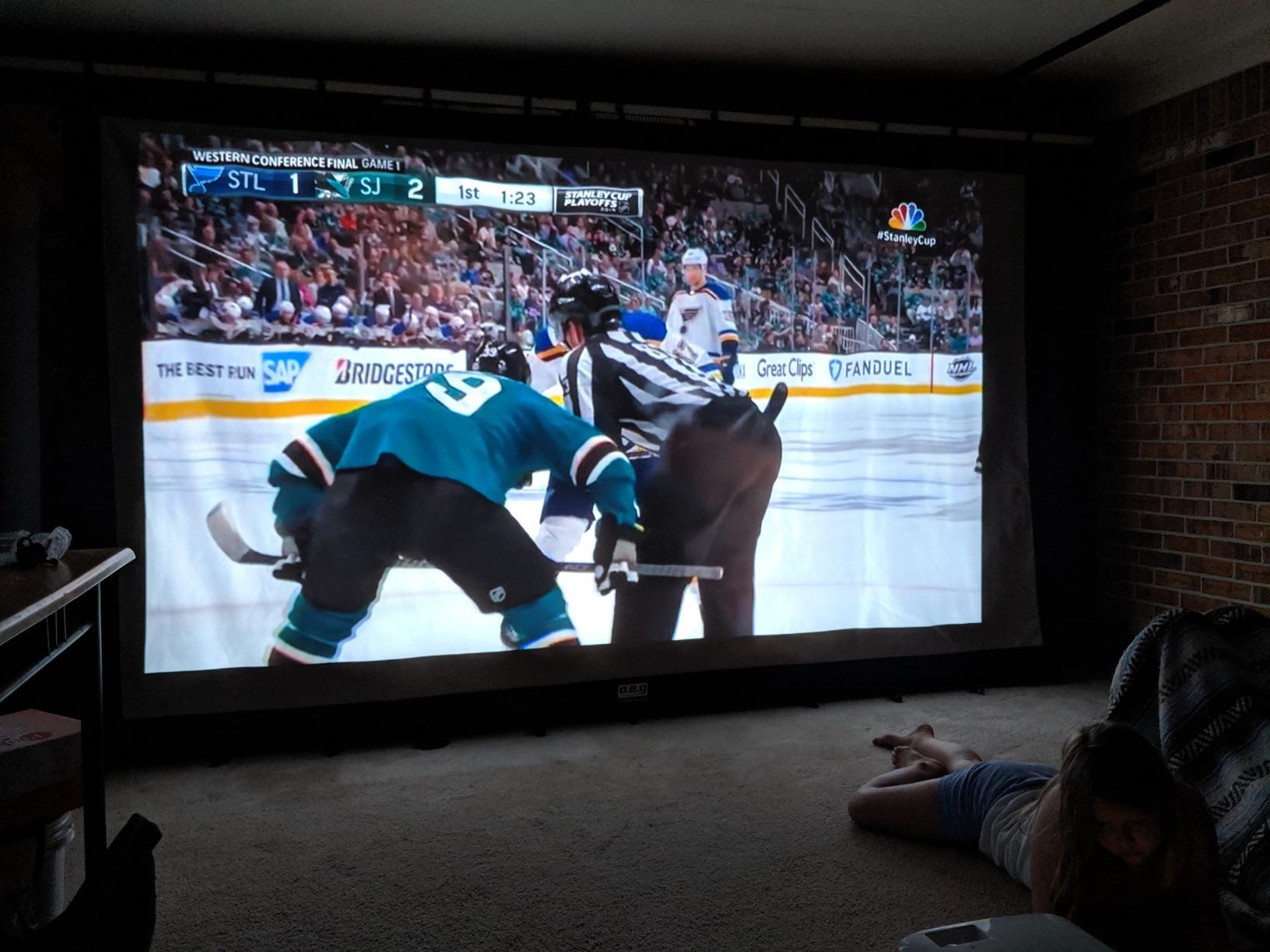
There are real limitations. This is a short throw, not an ultra short throw, so 100 inches still costs about 5 feet of depth, and anyone walking between the unit and the wall will cast a shadow. The zoom works in one direction only, which means your screen size has to be settled before the unit is mounted, not after.
There is also no optical or USB audio output for a soundbar, so external sound needs HDMI or a 3.5mm path. And the exposed lens is easy to scratch in a room where the projector sits at eye level on a dresser. For a dedicated media spot rather than a child’s bedroom, that is an acceptable trade.
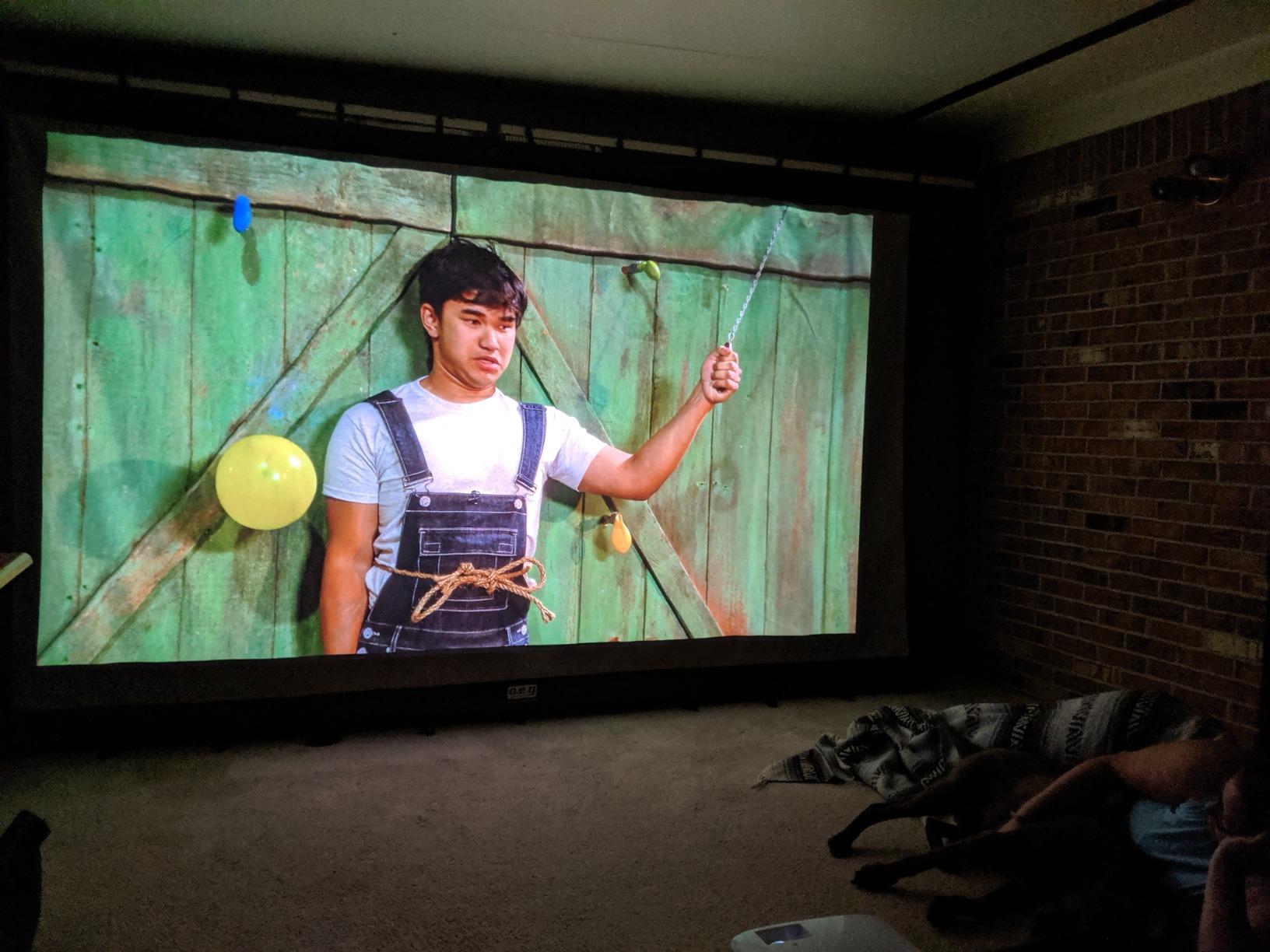
Why it wins the short throw category
Nothing else here combines verified ANSI brightness, a documented 10000-hour lamp life and low gaming latency in one package. Its 682-review record is substantial, and the four-to-five-year longevity reports are consistent rather than anecdotal.
It also does not need an ALR screen or a flat wall. A painted wall in a blackout-curtained bedroom is enough, which keeps the total cost of the setup low.
Where it falls short
It is a 1080p lamp projector, so there is no 4K panel and the light source will eventually need replacing. The fixed zoom behaviour is genuinely annoying for anyone who later decides they want a different screen size.
If you need 4K panels, Dolby Vision, or an image larger than 100 inches from under 2 feet, move to the Hisense PL2 or the AWOL VISION LTV-3000 Pro.
2. Hisense PL2: Best 4K Picture From a Foot of Throw Distance
Hisense PL2, Ultra Short Throw Home Theater Laser Projector, 80” – 150”, 4K UHD, 2,700 Lumens, 3000:1 Contrast, Dolby Vision & Atmos, 3D, Google TV, WIFI 6E
4K UHD native
2700 ANSI lumens
80 to 150 inch image
Laser rated 25000 hours
Pros
- 4K UHD DLP with over 1.07 billion colors
- 2700 lumens with Dolby Vision and Atmos
- 80 to 150 inch image from about a foot away
- Built-in Google TV is fast and responsive
- X-Fusion laser rated to 25000+ hours
Cons
- DLP rainbow effect bothers sensitive viewers
- Auto keystone needs a phone photo and upload
- 18.7 pounds needs floor or cabinet placement
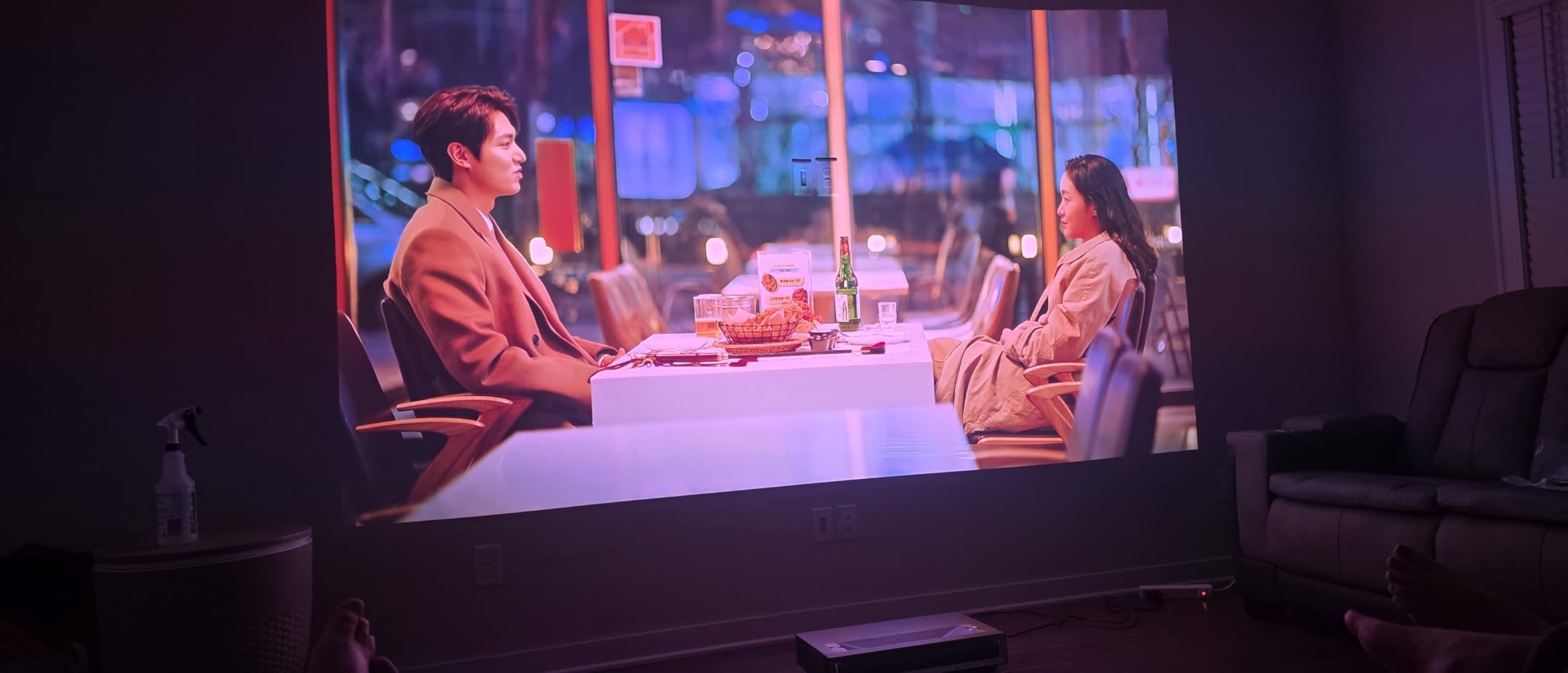
The PL2 is the pick when picture quality outranks everything else. It delivers true 4K UHD from a 2.07 million-mirror DLP chip with an AI upscaler, Dolby Vision and Dolby Atmos, and 2700 lumens. In a room with blinds partly open it still holds a stable image, which is more than most ultra short throw projectors in this list manage.
It fills 80 to 150 inches with the unit about a foot from the wall, so a studio apartment with no depth still gets a large screen. The X-Fusion laser source is rated past 25,000 hours, so there is no lamp to replace and no filter to buy.
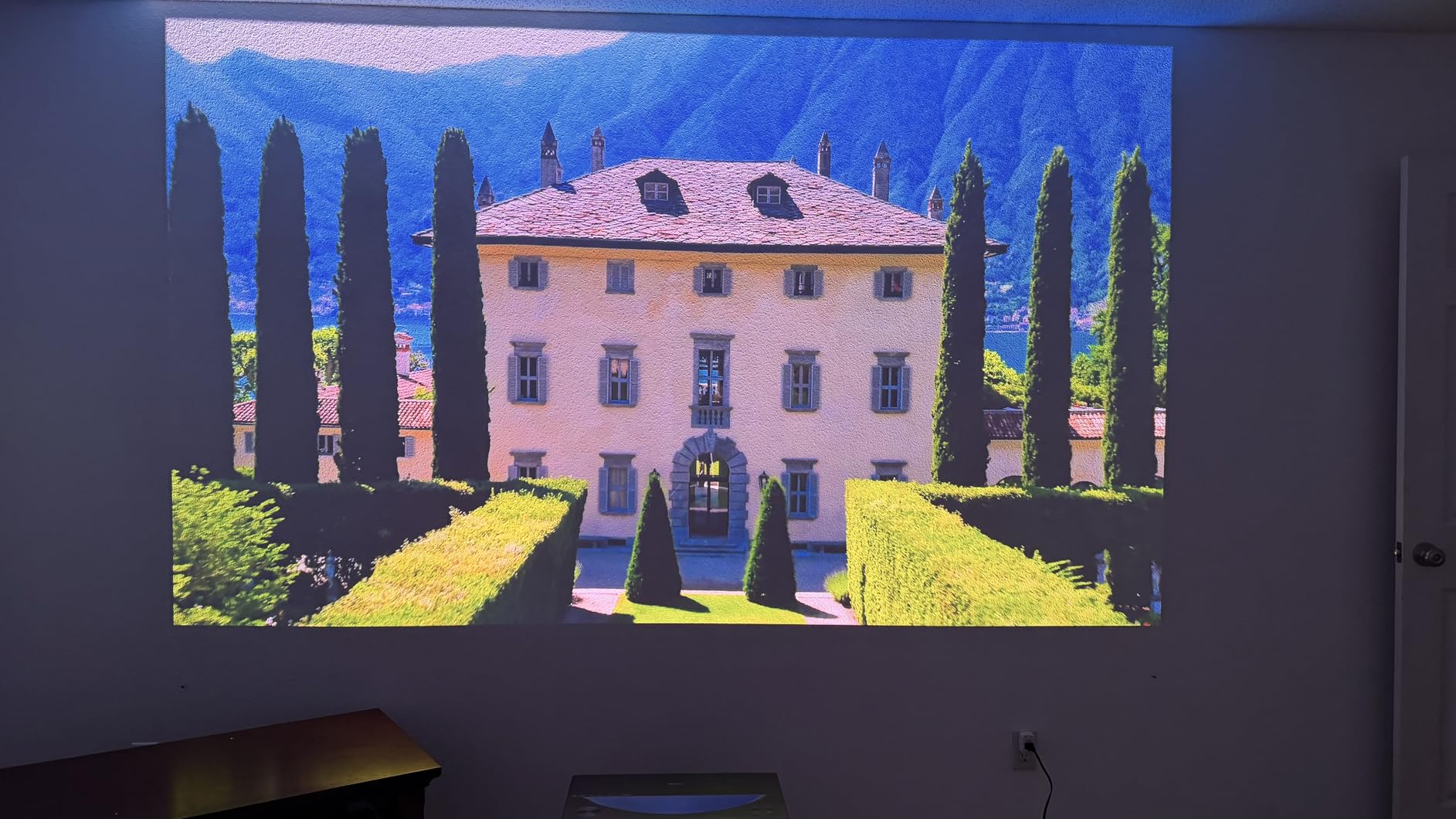
The recurring complaints are real and worth weighing. DLP rainbow effect is visible to sensitive viewers on dark scenes, and at least one owner returned a unit over it. The automatic keystone routine is a phone-photo-and-upload process that often fails, so plan on setting the image by hand once and leaving it alone.
At 18.7 pounds with a 20.9-inch depth, this is not a dresser-top unit. It wants a low cabinet or floor placement, and the leveler adjustments are awkward down at floor level. Brightness also dips in a lit room unless you pair it with an ALR screen.
What this is best at
Movie and streaming nights in a dark room, where Dolby Vision and 4K sharpness actually get used. The built-in Google TV is quick, and the 1.07 billion colour count means no colour banding on gradients.
It also suits a home office or dorm where the wall is a foot away and there is no furniture between you and the screen.
What to watch out for
If you are sensitive to rainbow artifacts, test a DLP unit in a dark room before committing. And if your space is rented, check that you have a low surface for an 18.7-pound machine rather than a floating shelf.
For a brighter or lighter setup without the cabinet-space requirement, the Optoma GT1090HDR is the more forgiving choice.
3. Optoma GT1090HDR: Brightest Option for a Lit Room
Optoma GT1090HDR Short Throw Laser Home Theater Projector | 4K HDR Input | Lamp-Free Reliable Operation 30,000 hours | Bright 4,200 lumens for Day and Night | Short Throw
4200 ANSI lumens
Laser rated 30000 hours
120 inch from 4 feet 4 inches
1080p native
Pros
- 4200 ANSI lumens is the brightest in this group
- Laser source rated to 30000 hours with no lamp
- Short throw lens: 120 inches from 4 feet 4 inches
- 32dB in eco mode with a quiet fan
- Horizontal and vertical shift plus four-corner
Cons
- 1080p native so 4K input is not 4K output
- Red runs strong out of the box
- No HDMI ARC or optical audio out
Light output is the whole story here. 4200 ANSI lumens is the highest verified figure in this roundup, and it is the number that lets you watch with the blinds open, use the projector in a garage, or put it on a wall with street lighting outside. If your small room is not a dedicated dark media room, brightness outranks resolution.
The DuraCore laser source is rated to 30,000 hours and the engine is IPX6 dust resistant, so there is no lamp or filter replacement in the life of the unit. The short throw lens puts a 120-inch image from 4 feet 4 inches, and the 4.8-inch-tall chassis has full shift, keystone and four-corner adjustment, which makes installation unusually flexible in a room with an off-centre wall.
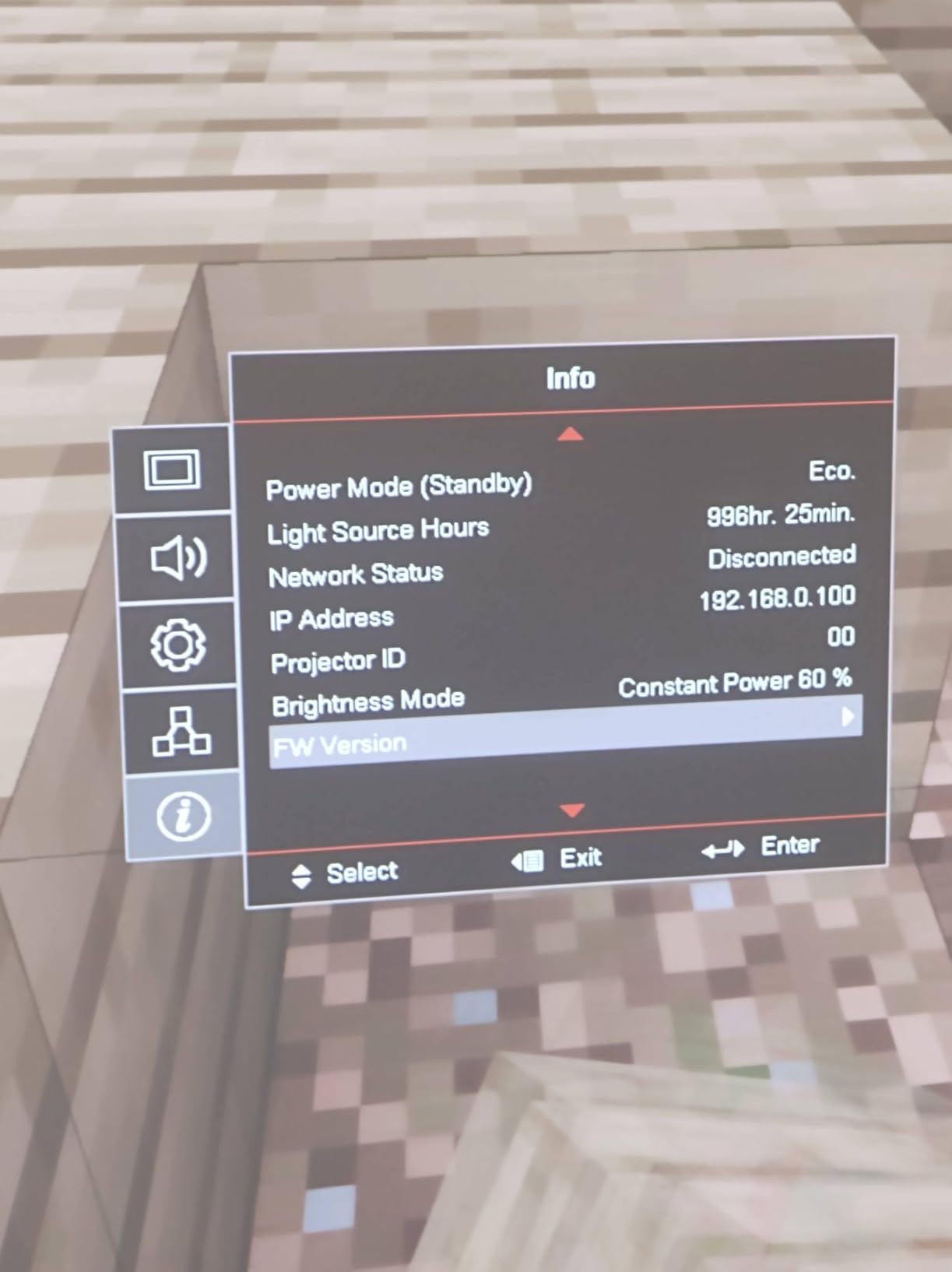
Here is the catch that trips people up. The listing and many reviews read as if this is a 4K projector, but it is 1080p native and simply accepts 4K input. On a 120-inch image viewed from a short distance the pixel structure is visible. Red is also noticeably over-strong out of the box and needs correction.
Digital zoom is restricted by mount angle, manual focus is very sensitive, and there is no HDMI ARC or optical audio out, so a soundbar needs HDMI. A minority of owners report color distortion, signal loss or dead pixels, and some found support responses unhelpful. Bright mode also shifts the hue and Dynamic Black lifts the whole image in dark scenes.
Where it earns its place
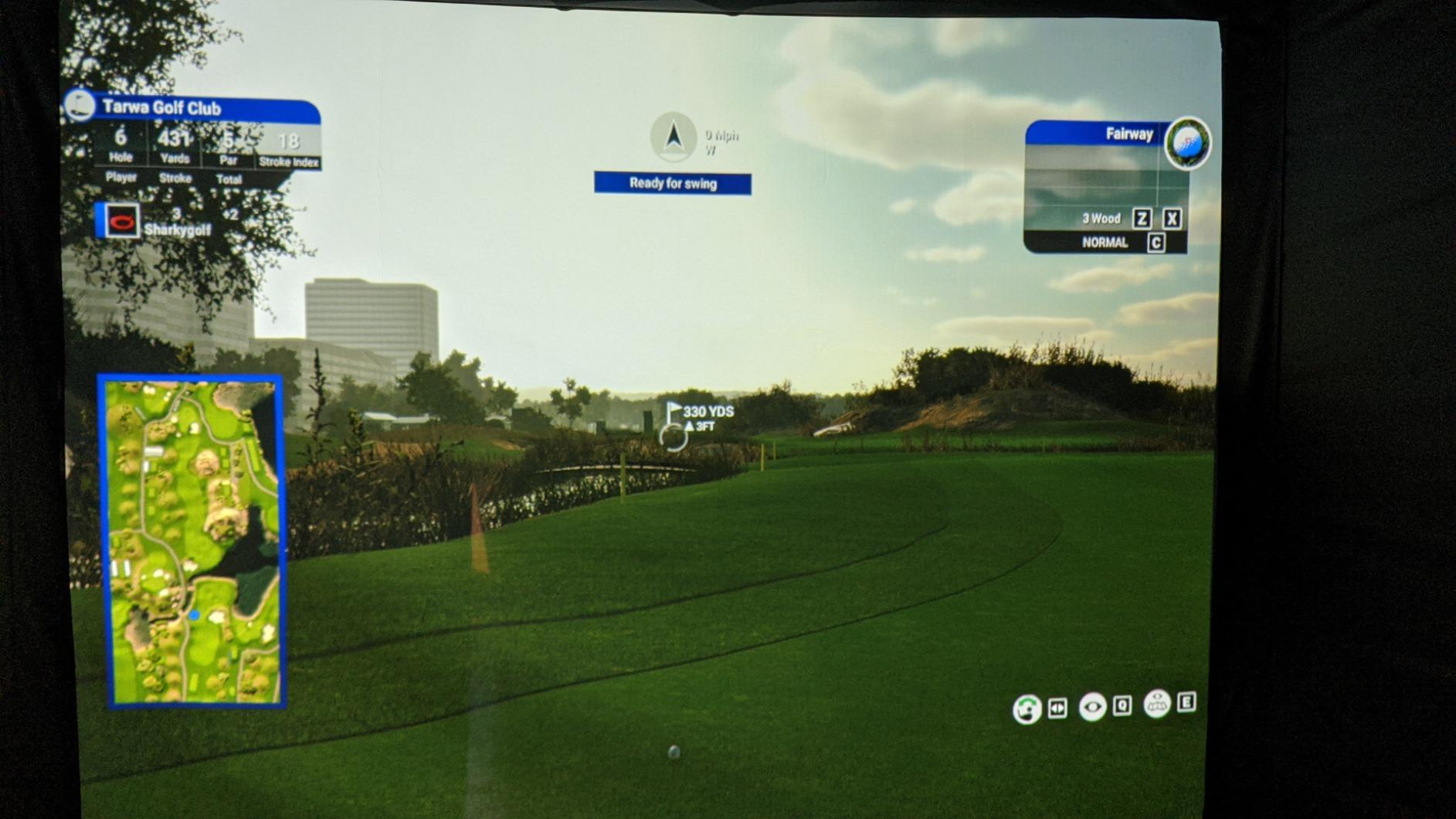
Lit rooms, daytime viewing, a small office or classroom, and large outdoor screens. At 10 pounds it is portable, and the laser engine means it can run for years without service. Golf simulator owners using the image on a back wall are consistently happy with the clarity.
It is also the choice if you want a large picture and you refuse to spend on an ALR screen.
When it is the wrong pick
Choose against it if your seat is close to a 120-inch screen, because 1080p native will show its structure. Anyone chasing 4K detail or Dolby Vision should look at the Hisense PL2 or the AWOL VISION instead.
And if you plan to route audio through an optical or ARC chain, add a soundbar with its own wireless return before you order.
4. AWOL VISION LTV-3000 Pro: Best Color Coverage in the Group
AWOL VISION LTV-3000 Pro 4K 3D Ultra Short Throw Triple Laser Projector, Dolby Vision & Atmos, HDR10+, 150″ UST Laser TV Home Theater Projector
4K triple laser
0.25:1 fixed throw
80 to 150 inch image
3000 ANSI lumens
Pros
- Triple laser engine with no color wheel
- Dolby Vision HDR10+ and Dolby Atmos
- 100 to 150 inches from 8.5 to 13 inches
- 107% BT.2020 and 147% DCI-P3 coverage
- Built-in center-channel speaker
Cons
- 28-pound chassis needs a cabinet not a shelf
- Fixed throw punishes shallow cabinet depth
- Needs an ALR screen and a darker room
Color performance is where triple laser earns its cost. With no color wheel there is no rainbow effect and no sequential-colour shimmer. It covers 107% of BT.2020 and 147% of DCI-P3 with over a billion colors, and it is one of only two units here with full Dolby Vision and Dolby Atmos. Owners treat it as a genuine TV replacement rather than a projector-shaped compromise.
The optics are worth noting next to the other 4K models here: a fixed 0.25:1 ratio that puts 100 inches from about 8.5 inches of throw and 150 inches from 12.84 inches. At 3000 ANSI lumens it sits with the brighter half of the group, and the built-in center-channel speaker maps dialogue from the screen rather than from a box below it.
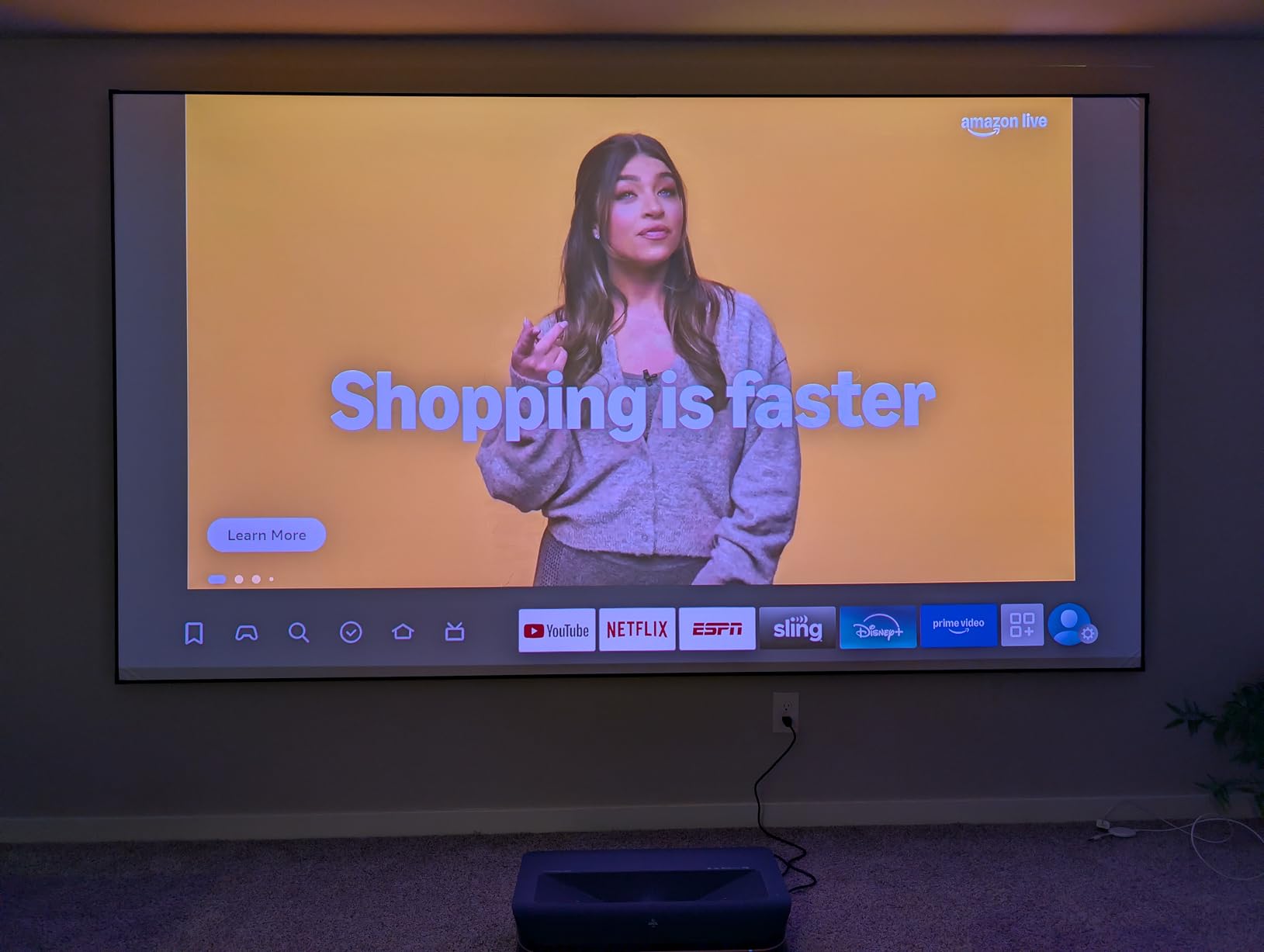
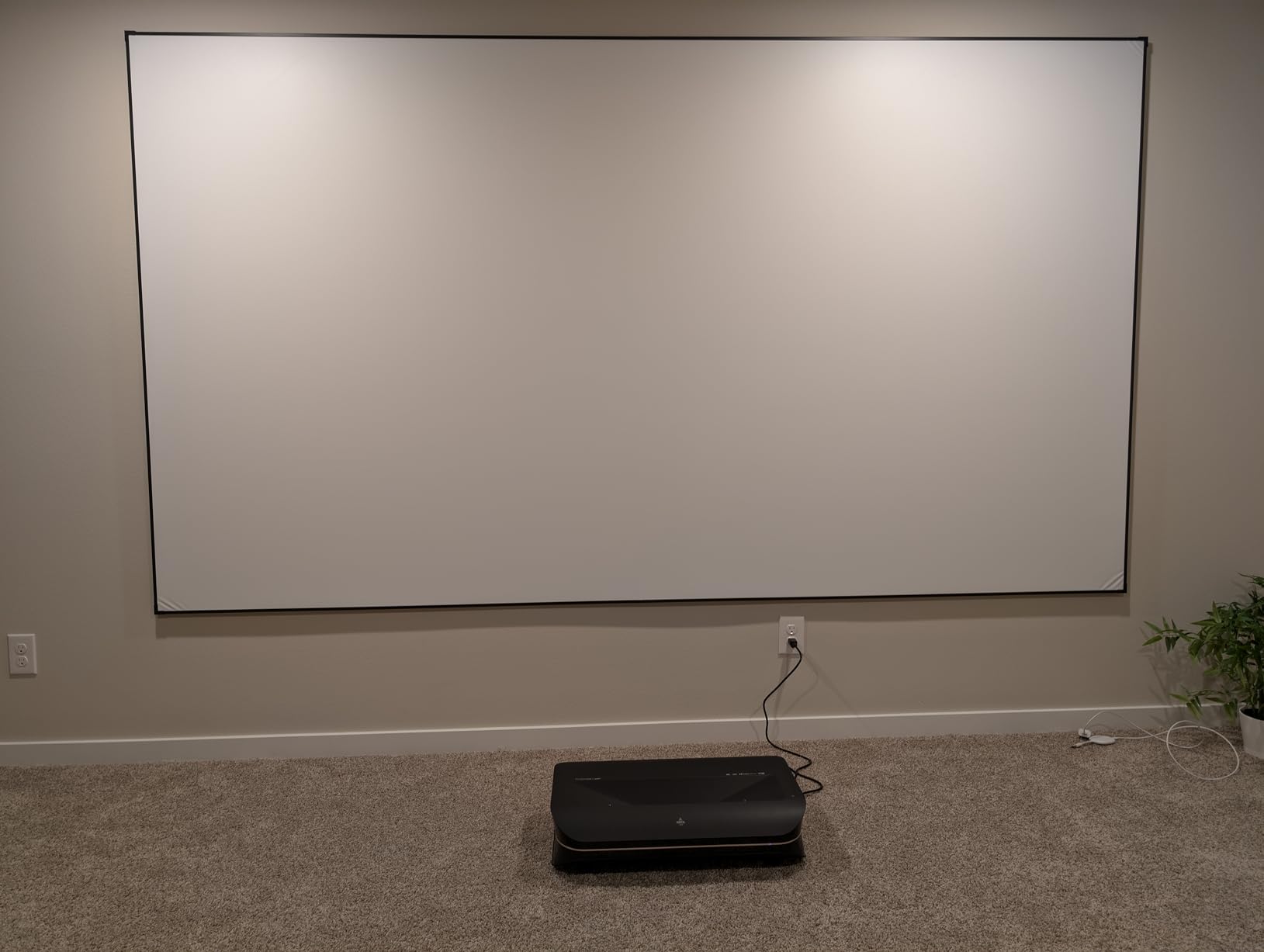
The physical realities are the catch. This is a 28-pound, 23.6-inch-deep cabinet-style unit, so it needs a dedicated low cabinet and real floor or shelf load capacity, not a bookshelf. The fixed throw ratio is unforgiving: if your cabinet is shallow, you need the brand’s motorized slider, and the image size cannot be dialled in freely.
It is not a smart platform, so a separate streaming device is needed for most content. Color and contrast both drop in a bright room without an ALR screen, and PJ Link IP control is a plus for Control4 users but nothing to an apartment dweller.
Who should buy it
Home theater builders with a proper media console, a dark dedicated room, and a demand for Dolby Vision. On r/hometheater, an apartment dweller weighing space-limited units compared this one against the XGIMI Aura 2 and the JMGO O2S Ultra, and the color volume was the reason it stayed on the shortlist.
Pair it with an ambient light rejecting screen and it looks like a very large television, which is the entire point.
Who should skip it
Anyone in a studio or rental where furniture is fixed and shallow. If your console is 20 inches deep, a fixed 0.25:1 throw leaves you no margin for error, and the weight rules out a floating shelf.
Also skip it if you want built-in streaming apps. A streaming box is a required accessory here.
5. ViewSonic PS502W: Best Value for Bright Small Rooms
ViewSonic PS502W WXGA Short Throw Projector 4000 Lumens, Dual HDMI
4000 ANSI lumens
0.5 short throw
100 inch from 4.5 feet
WXGA 1280x800
Pros
- 4000 ANSI lumens cuts through ambient light
- 0.5 ratio: 100 inches from 4.5 feet
- SuperColor wide-gamut technology
- Dual HDMI plus VGA and USB
- Three-year parts and labor warranty
Cons
- WXGA 1280x800 is low by modern standards
- Lamp source rated to 4000 hours only
- No smart platform or built-in apps
The PS502W does two things that matter in a small room: it puts 4000 ANSI lumens on the wall and it gets a 100-inch image from 4.5 feet of throw. That combination is what a classroom or a bright home office needs, and the SuperColor processing keeps the colours looking better than the resolution would suggest.
Setup is quick too. Vertical auto keystone, digital zoom and instant power on and off speed up setup and turnover, and the dual HDMI plus VGA, USB and 3.5mm audio covers a room with a laptop, a streaming box and a media device without a switcher. The three-year parts and labor warranty with first-year Express Exchange is the best support package among the value models here.
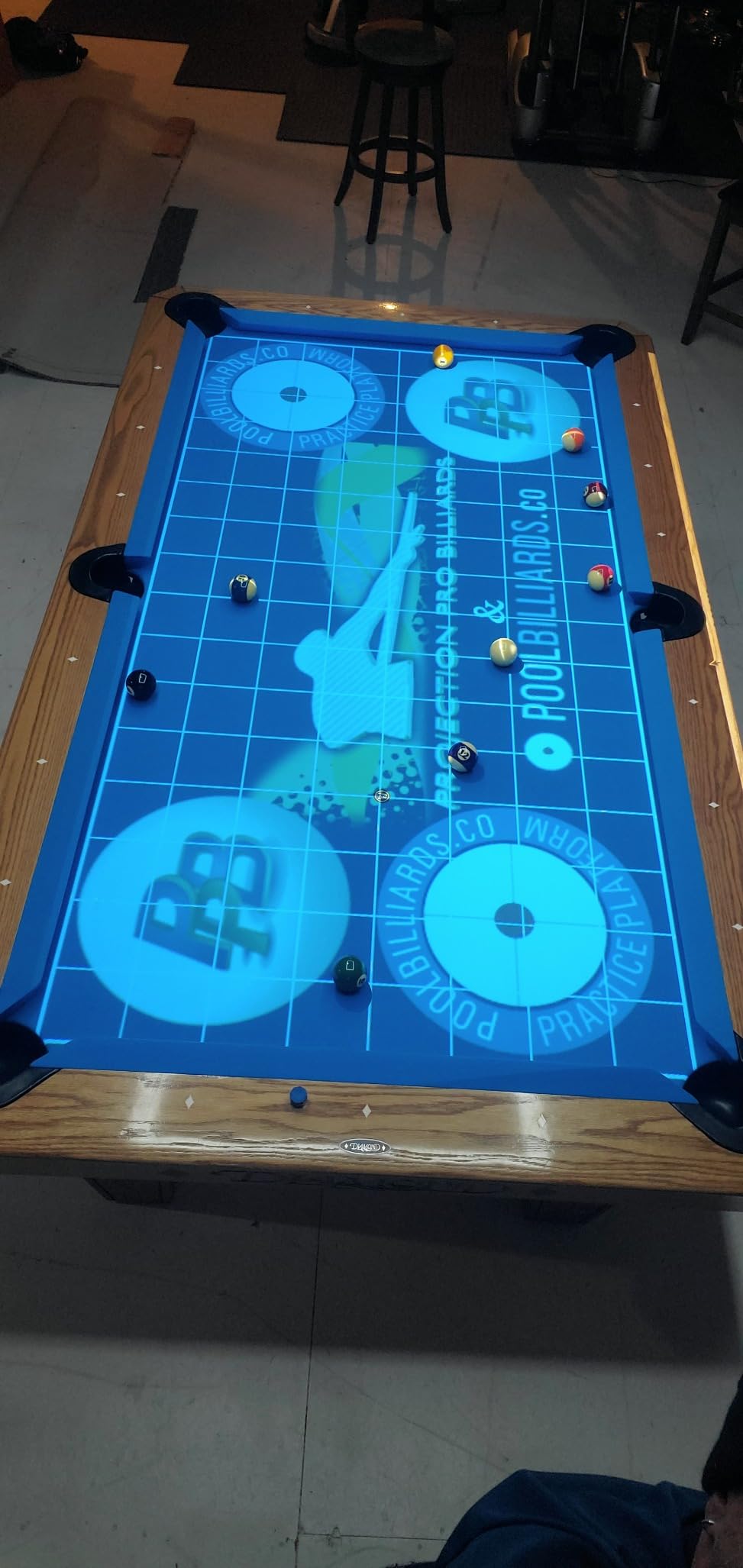
The resolution is the compromise. WXGA 1280×800 is fine for documents, spreadsheets and a Windows desktop, and it shows on a large image: text edges look soft and any streaming platform will serve 1080p content it cannot display natively. There is no HDR, no 4K input and no smart platform, so you need a streaming stick.
It is also lamp-based, with a light source rated to 4000 hours and a one-year lamp warranty, the shortest support window in the ViewSonic package. Keystone correction is vertical only, which limits off-axis placement.
Where the value is real
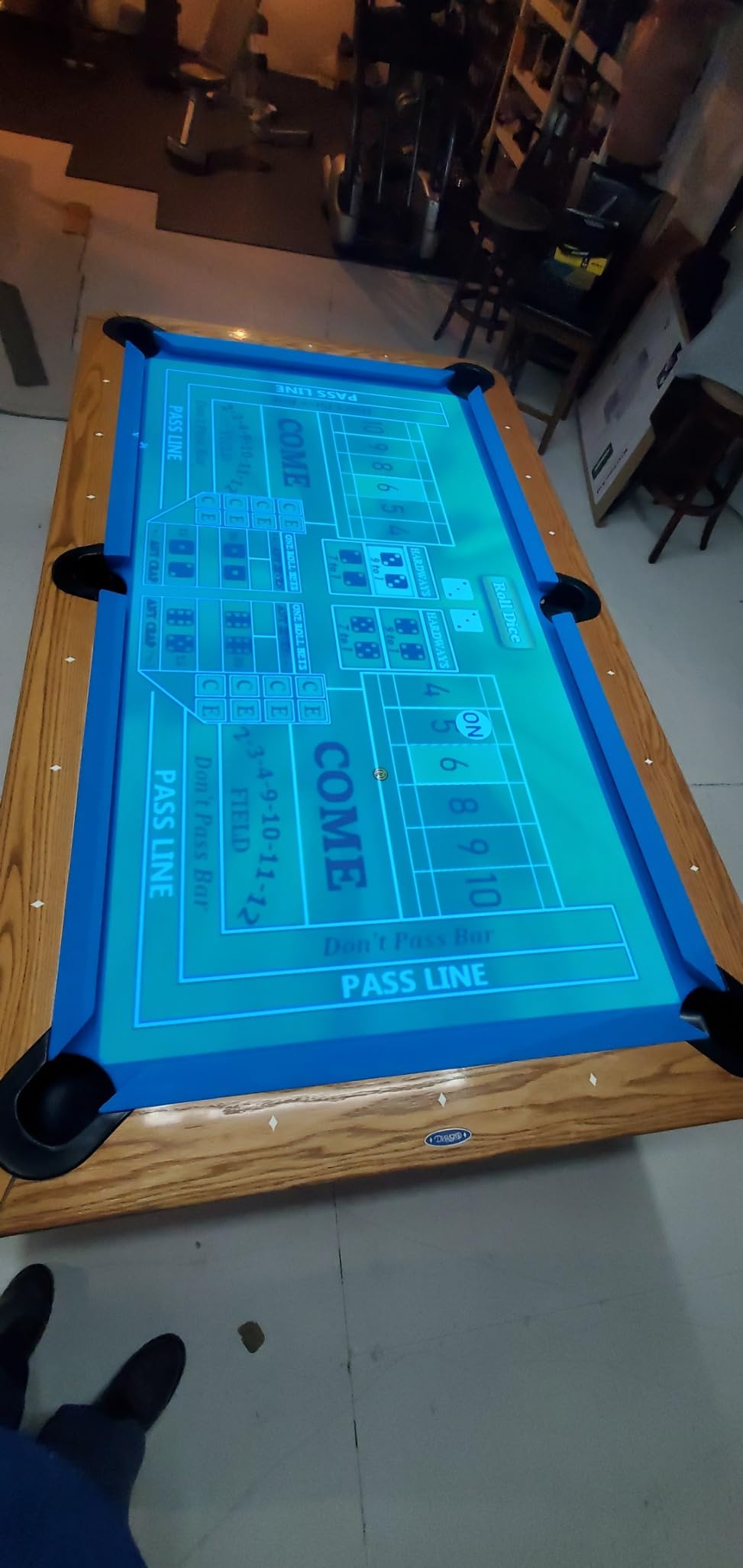
A study, a small meeting room, a classroom, or a home office where documents and web pages matter more than film. 4000 lumens means you can keep the room lit, which is the whole reason a projector exists in those spaces.
Anyone furnishing a rental who wants a big image and does not want to fiddle with a streaming stick also gets a lot here.
What you give up
Movie night is where the resolution bites. If the room doubles as a media room, the same money in a 1080p DLP short throw buys you sharper video and a longer lamp life.
Just note that a streaming device is a required extra, and vertical-only keystone means the unit wants to be close to centred.
6. TOPTRO TP3: Best for Very Tight Spaces
Portable Smart Projector [Bundled with Google TV Stick 14.0 & 4K Support & Dolby] with WiFi and Bluetooth HDR10,Ceiling Mini Movie Short Throw Projector Outdoor Auto Focus for Home Theater Bedroom
Google TV 14.0
Native 1080p
120 inch from 6.9 feet
2.6 pound body
Pros
- AI auto focus and keystone set the image fast
- Google TV 14.0 with 32GB storage built in
- 0.8:1 ratio fills 120 inches from 6.9 feet
- 2.6 pound body with a rotatable stand
- 20W speakers are clear in a small room
Cons
- Image softens at the far end of the throw
- Maximum image size caps at 120 inches
- Auto correction drifts if left switched on
The TP3 is the one that fits where nothing else will. At 2.6 pounds and 7.63 inches deep, it lives on a shelf, a windowsill or a bedside table, and the built-in rotatable stand flips it toward a ceiling without any hardware. For a dorm room or a small bedroom where the projector has to be moved between a wall and the ceiling, that flexibility is the feature.
Its 0.8:1 throw ratio fills a 120-inch image from 6.9 feet, and the AI setup suite handles focus, keystone, obstacle avoidance and screen alignment in a way that removes most of the friction. Google TV 14.0 with 32GB of storage is built in, so no streaming stick is required.
![Portable Smart Projector [Google TV 14.0 & 4K Support & Dolby] with WiFi and Bluetooth HDR10,Ceiling Mini Movie Short Throw Projector Outdoor with Built-in Apps Auto Focus Keystone for Home Bedroom customer photo 1](https://eglug.org/wp-content/uploads/2026/09/B0HBQX47FV_customer_1.jpg)
The catch is optical. The image softens noticeably at the far end of the throw range, which means a 120-inch picture from 6.9 feet is the soft version of it. The 120-inch maximum also caps it well short of the 150 and 200-inch reach of the ultra short throw models here.
Auto focus and auto four-corner correction should be switched off once the unit is in a permanent position, because they drift. The remote does not include the two AAA batteries it needs, and protected content cannot be mirrored from iOS, so streaming has to go through the built-in apps.
![Portable Smart Projector [Google TV 14.0 & 4K Support & Dolby] with WiFi and Bluetooth HDR10,Ceiling Mini Movie Short Throw Projector Outdoor with Built-in Apps Auto Focus Keystone for Home Bedroom customer photo 2](https://eglug.org/wp-content/uploads/2026/09/B0HBQX47FV_customer_2.jpg)
Why it suits a small bedroom
Ceiling projection above the foot of the bed is the scenario this is built for. The 200-degree stand and the quarter-inch mount hole accept a standard ceiling bracket, the machine is light enough to install without help, and the built-in Google TV means one cable and one remote.
Reviewers consistently single out the quiet running and the speed of the auto-setup as the reasons it works without a manual.
Where it falls down
Picture sharpness at max size, and brightness in daylight. The listed 3000 lm figure is not an ANSI measurement, so treat it as a dark-room projector and judge the picture accordingly.
Anyone wanting a 150-inch image should look at the WEMAX Nova Pro or the AWOL VISION LTV-3000 Pro instead.
7. TOPTRO A2: Best Smart Platform With Live TV Built In
Smart Projector 4K [VIDAA Live TV & 36W Dolby & Voice Control] with WiFi6 and Bluetooth, Short Throw Projector Compatible with Netflix, AI Auto Focus, HDR10, Home Theater Proyector for Outdoor Movies
650 ISO ANSI lumens
1.0 throw ratio
Dual 18W Dolby speakers
VIDAA live TV
Pros
- VIDAA OS is faster than typical Android software
- 1000+ live TV channels plus streaming apps
- 36W Dolby Audio from dual 18W speakers
- AI auto focus keystone and screen alignment
- 200-degree stand doubles as a carry handle
Cons
- 650 ANSI lumens means a dark-room projector
- 4K label is decoding only with 1080p output
- 4.2 pounds is heavy for the footprint
What separates the A2 from other budget smart projectors is the software. Owners report that VIDAA boots fast, navigates without stuttering, and carries 1000 or more live TV channels alongside Netflix, YouTube, Prime Video, Disney+ and Hulu, with less ad load than the typical Android-based projector interface and no streaming stick needed.
The audio is unusually strong for the class. Two exposed 18W drivers give 36W of Dolby Audio, which fills a small bedroom or studio without a separate speaker. The 200-degree rotatable stand doubles as a carry handle, and the AI suite covers auto focus, keystone, obstacle avoidance and screen alignment.
![Smart Projector 4K [VIDAA Live TV & 36W Dolby & Voice Control] with WiFi6 and Bluetooth, Short Throw Projector Compatible with Netflix, AI Auto Focus, HDR10, Home Theater Proyector for Outdoor Movies customer photo 1](https://eglug.org/wp-content/uploads/2026/09/B0GX1FC64J_customer_1.jpg)
Brightness is where honesty is required. 650 ISO ANSI lumens is a real ANSI figure, which is more than most budget competitors publish, and it still means a dark room. The 1.0:1 throw ratio puts 100 inches at about 7.2 feet, which is genuinely short throw but not the 4.5 feet the ViewSonic manages.
The 4K label is decoding only; the panel is native 1920×1080, so 4K sources arrive at 1080p. At 4.2 pounds the body is closer to a soccer ball than a mini projector, and iOS devices cannot mirror protected apps. The remote also needs two AAA batteries that are not included.
![Smart Projector 4K [VIDAA Live TV & 36W Dolby & Voice Control] with WiFi6 and Bluetooth, Short Throw Projector Compatible with Netflix, AI Auto Focus, HDR10, Home Theater Proyector for Outdoor Movies customer photo 2](https://eglug.org/wp-content/uploads/2026/09/B0GX1FC64J_customer_2.jpg)
Who this suits
Cut-the-cord users who want live channels and streaming in one box. The live-TV lineup makes it a genuine television substitute for a studio or second bedroom, and the strong built-in audio removes the usual need for extra speakers in a small room.
Anyone renting who wants a single remote and a single cable is better served here than by a stick-based projector.
Who should pass
Daytime viewers. 650 ANSI lumens with no ALR screen in a lit room is a disappointing picture, and several brighter laser projectors sit in a similar bracket and will serve you better over time.
Also skip it if you need a large image; 200-inch is the theoretical maximum and the practical sweet spot is nearer 100 inches.
8. BenQ MW632ST: Best for Golf Simulators and Offices
BenQ MW632ST Business Projector, 3200 Lumens, WXGA, Short Throw, Wireless, Dual HDMI, Keystone, 1.2X Zoom, 3D, Golf Simulation, Conference Room, Meeting, Classroom
3200 ANSI lumens
0.9 short throw lens
1.2x zoom
WXGA 1280x800
Pros
- 3200 ANSI lumens stays legible with lights on
- 0.9 lens puts 110-120 inches 4-5 feet out
- Dual HDMI cuts cable clutter
- 1.2x zoom plus 3D support
- Reported durable past three years
Cons
- Thin built-in speaker for movies
- Only two leveling feet for tabletop alignment
- 60Hz refresh and WXGA are dated
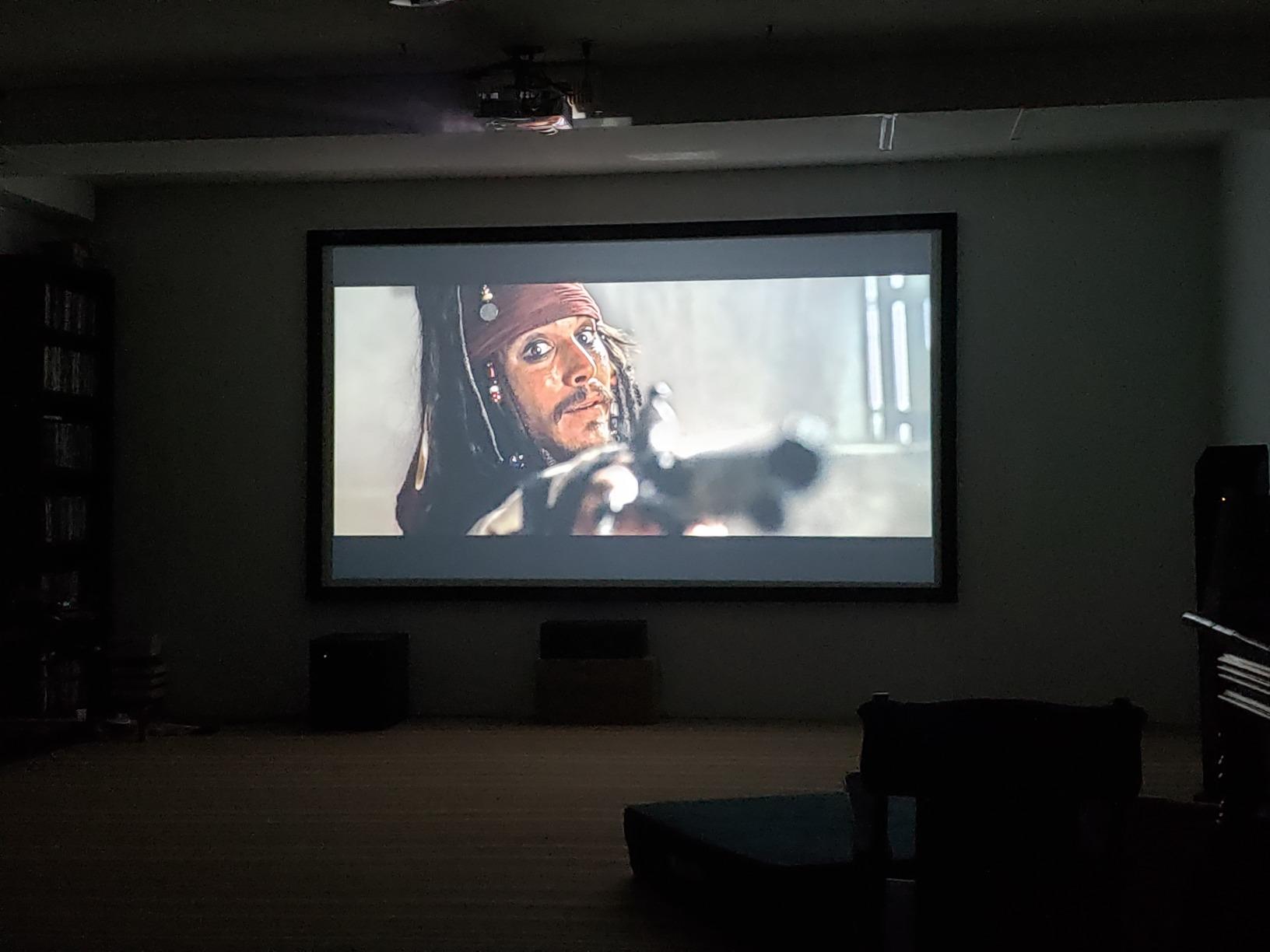
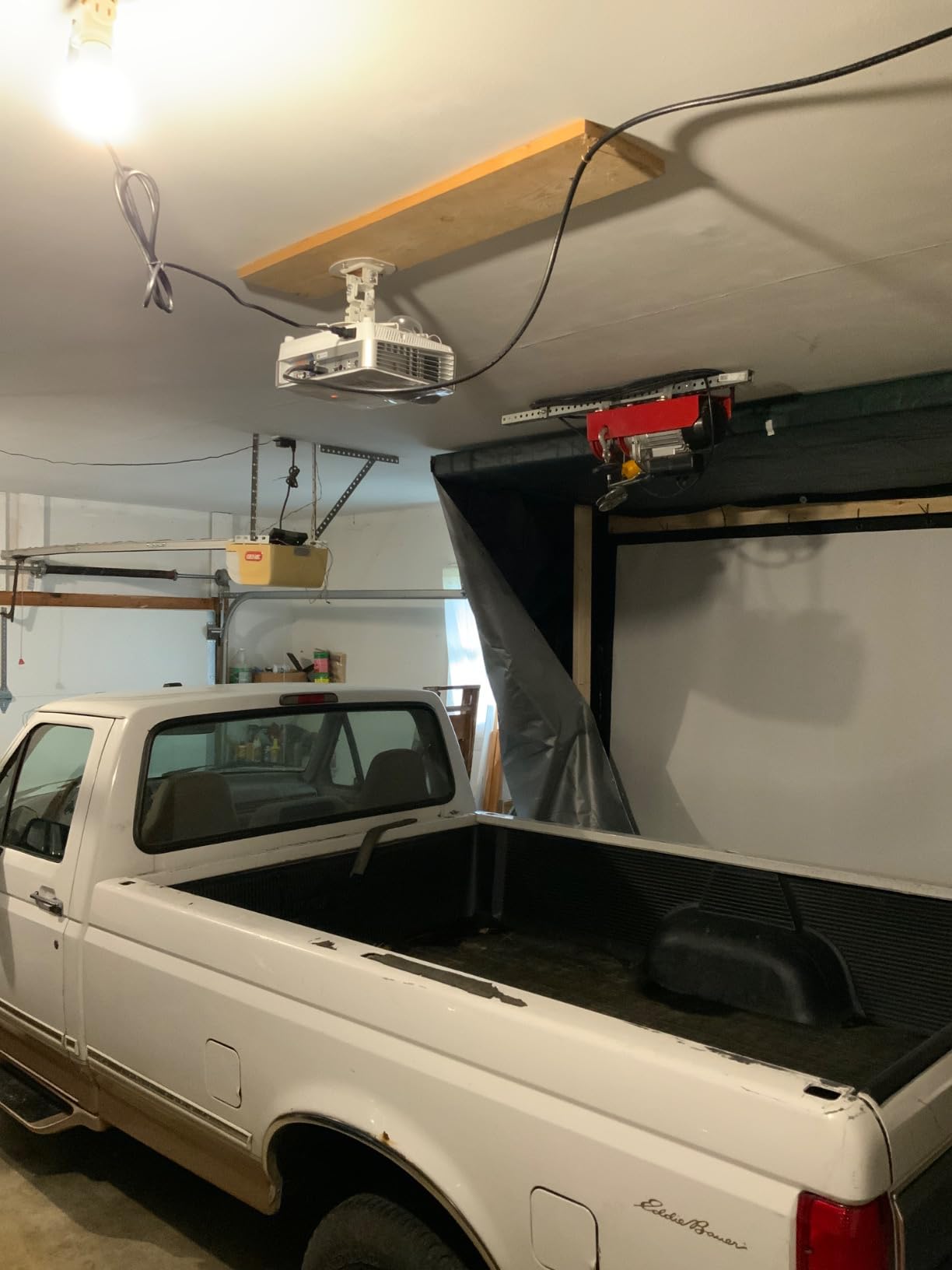
The MW632ST is built for a simulator bay or a meeting room rather than a bedroom. Its 0.9 short throw lens puts a 110 to 120-inch image about 4 to 5 feet from the screen, which means a small hitting bay or a compact boardroom wall works without a deep room. WXGA 1280×800 pairs naturally with a PC feed or a golf launch monitor.
3200 ANSI lumens with 12,000:1 contrast is the reason it stays visible in a lit room, and the dual HDMI inputs reduce cable clutter on a multi-device setup. Long-term owners report it holding up past three years, and the lamp is rated to 10,000 hours.
The criticisms are mostly physical. The built-in speaker is low in volume and mediocre for movies, and there are only two leveling feet, which makes tabletop alignment awkward. Automatic keystone succeeds only about half the time, so expect to square the unit by hand rather than trusting the menu.
The 60Hz refresh rate and WXGA resolution are plainly dated for modern gaming and for 4K streaming, and the warranty is one year parts and labor plus one year or 2000 hours of lamp life. It also lacks streaming apps, so a source device is required.
Best used for sim bays and small offices
Simulator enclosures, training rooms, classrooms and compact meeting spaces where brightness and a short throw matter more than resolution or smart features. The 1.2x zoom and vertical keystone give some placement flexibility in awkward rooms.
For a business user who values a short throw and does not need a smart platform, it is one of the more straightforward choices here.
What it will not do
Console gaming at speed and film viewing with real audio. The 60Hz panel and single small speaker are not built for either, so pair it with external speakers if the room is used for movies.
A home user should also weigh the BenQ TH671ST, which is brighter and better suited to evening viewing.
9. Optoma GT2000HDR: Compact Laser Without the Premium
Optoma GT2000HDR Ultra-Compact Short Throw Full HD Home Laser Projector
3500 ANSI lumens laser
1080p native
98 watt power draw
30000 hour source
Pros
- 3500 ANSI lumens from a laser engine
- Source rated to 30000 hours with 5-year cover
- External power supply keeps the body slim and cool
- Low 98-watt power consumption
- Compact footprint for a 300-inch max image
Cons
- Full HD only with no 4K input or HDR listed
- RCA connectivity and a manual-only box
- 9.6 pounds is heavy for an ultra-compact body
The GT2000HDR sits in the middle of this group in the truest sense. It delivers 3500 ANSI lumens from a laser engine rated to 30,000 hours, which means a bright image and no lamp replacement over the life of the unit. The 5-year or 12,000-hour light source warranty is the best light-source cover in the roundup.
It also draws just 98 watts, and moving the power supply out of the chassis keeps the body slim and cool-running. In a small bedroom where the projector sits near bedding or a curtain, low heat and low power draw are practical advantages rather than spec-sheet trivia.
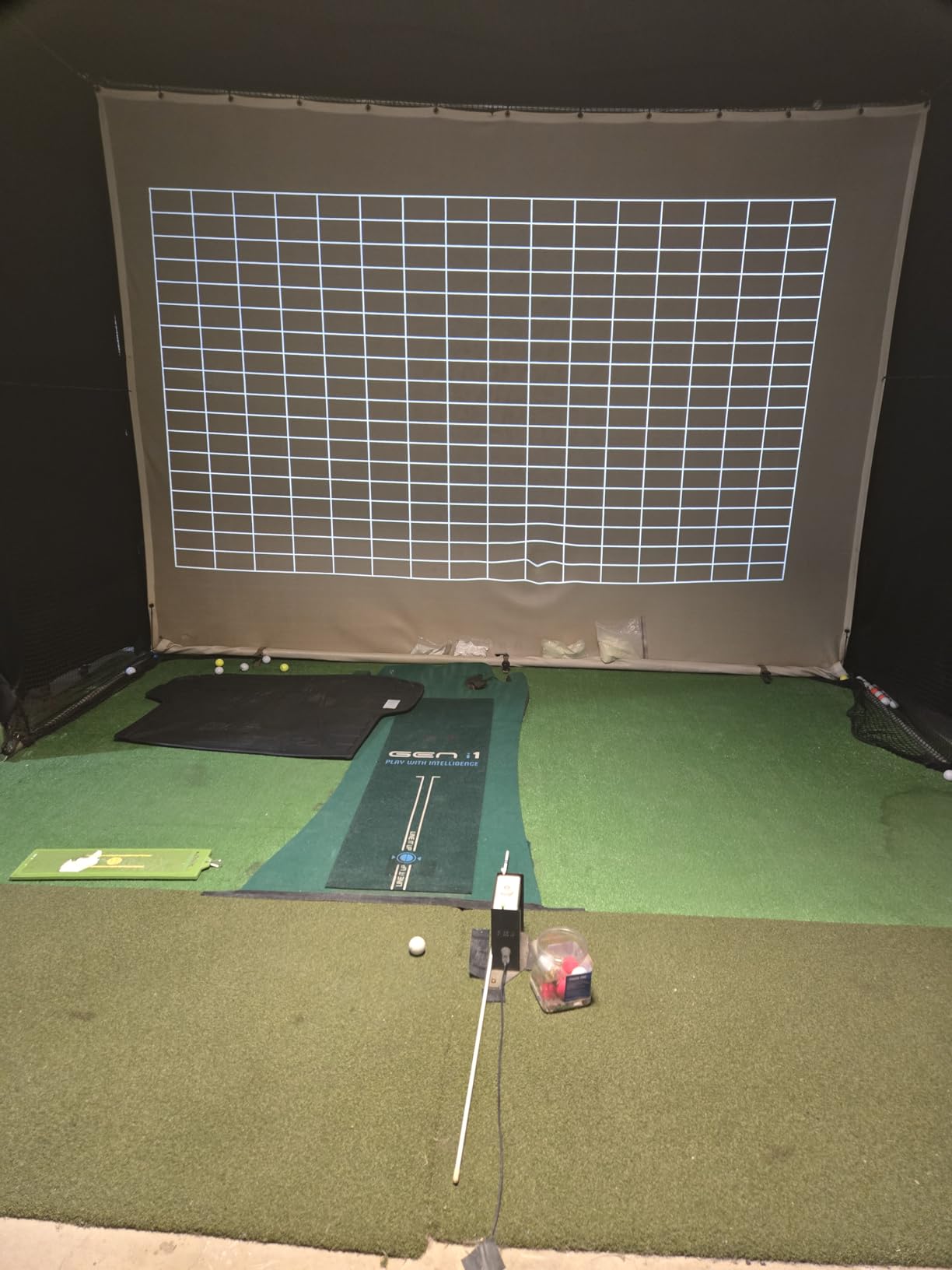
What surrounds that core is underwhelming. It is Full HD with no 4K input or HDR listed, and the stated connectivity leans on RCA, which means adapters for most modern sources. The box includes only a user manual, no cable and no remote listed in the packed media.
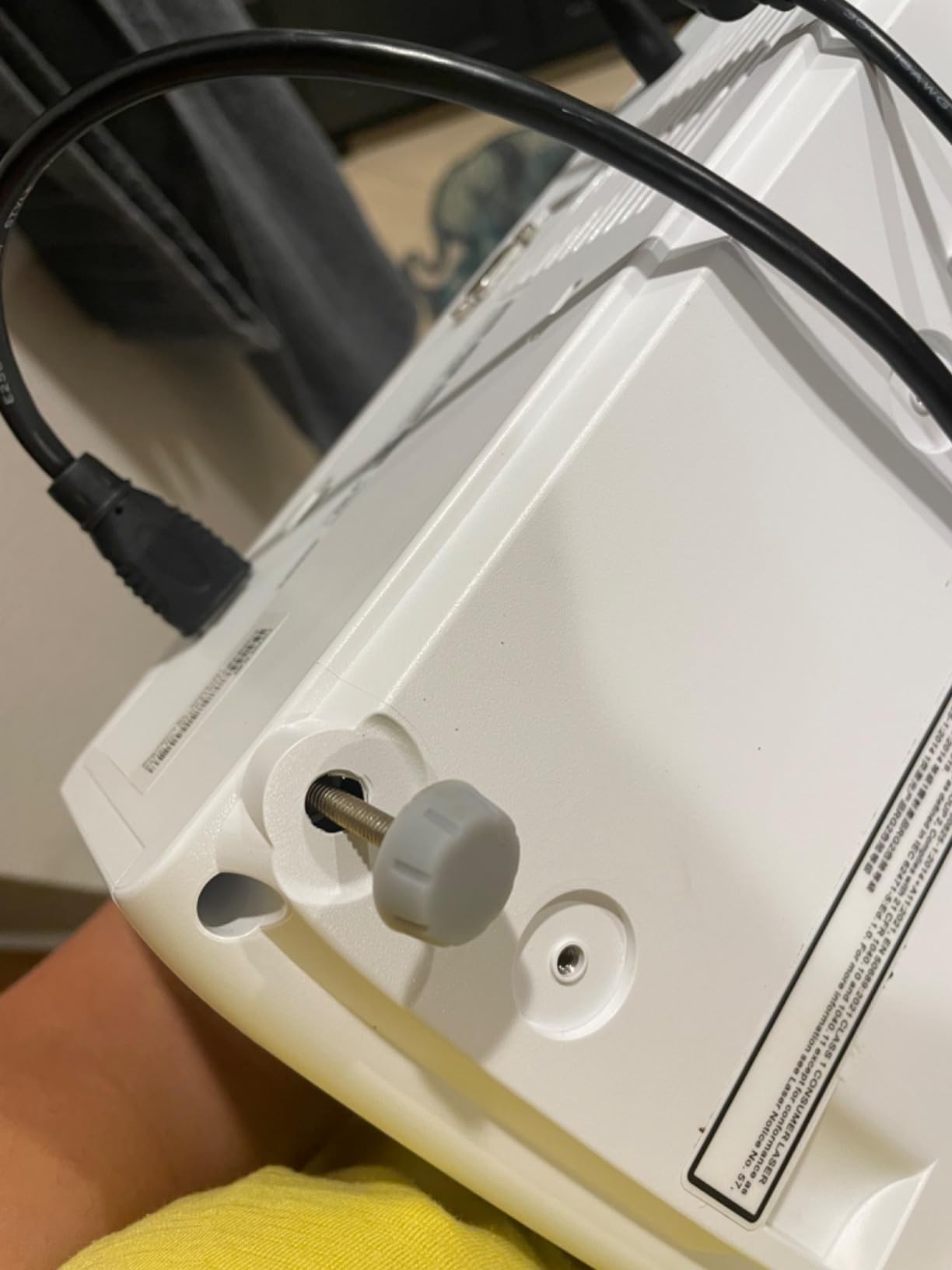
The 4.49-inch depth limits shelf placement, and 9.6 pounds is heavy for something marketed as ultra-compact. The 4.1 average rating reflects genuinely divided owner impressions of picture quality and fan noise.
Where it makes sense
A bedroom or study that needs real brightness, low heat output and a long-lasting light source without stepping up to a 4K panel. The 300-inch maximum and 1-meter minimum throw give a wide placement range for the size.
For owners who keep projectors for a decade, a 30,000-hour laser source at 98 watts is an efficient long-term choice.
What to look past
Resolution is the limit. 1080p is acceptable at 90 inches in a dark room and disappointing at 130. The minimal box contents and RCA-first connectivity also mean budgeting for cables and adapters.
If video quality is the priority, the Optoma GT1090HDR shares the brand and is far brighter, or step up to a 4K unit.
10. WEMAX Nova Pro: 150 Inches From 19 Inches of Throw
WEMAX Nova Pro 4K Ultra Short Throw Projector, Google TV, 2100 ISO Lumens
True 4K DLP
0.23:1 throw
150 inch from 19 inches
2100 ISO lumens
Pros
- True 4K UHD from a 0.47 inch DMD chip
- 150-inch image just 19 inches from the wall
- 2100 ISO lumens holds moderate ambient light
- Dual 15W speakers with Dolby Audio and DTS-HD
- US-based support gets frequent praise
Cons
- Apps fail to load and remote power-on is flaky
- Input source resets on every power-off
- Some units develop dead pixels after two years
- Only a 6-month warranty
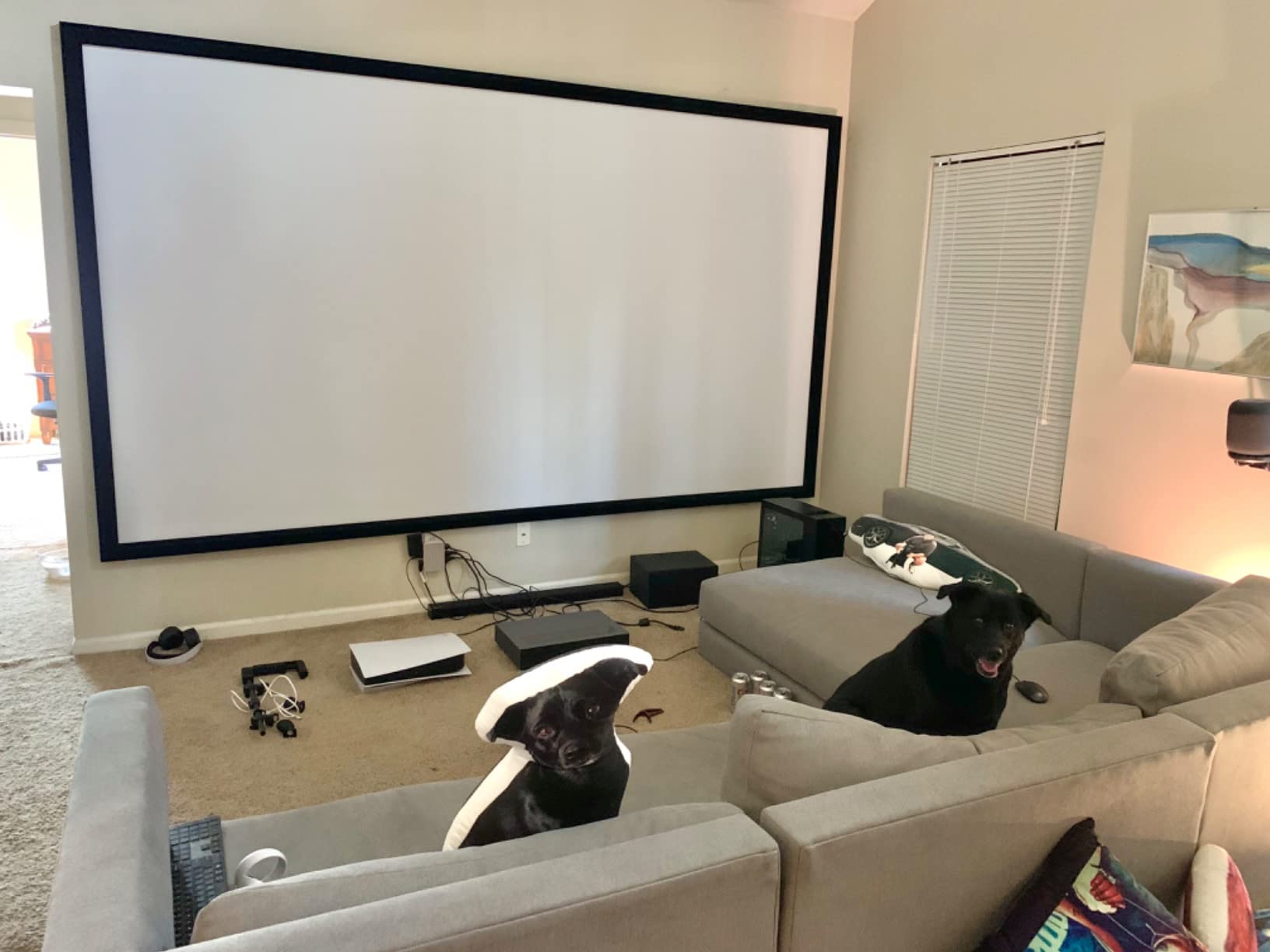
The Nova Pro packs a very short throw into a manageable box. Its 0.23:1 ratio puts a 150-inch image 19 inches from the wall, from a native 3840×2160 DLP panel with a 0.47-inch DMD and an ALPD laser source. On picture quality owners consistently call it visibly sharper than 1080p ultra short throw projectors and speckle-free.
2100 ISO lumens is enough for a room with moderate ambient light, and the dual 15W speakers with Dolby Audio and DTS-HD are genuinely usable without a soundbar. MEMC motion smoothing, active 3D and Google TV with native Netflix round out a feature set that covers most needs on its own.
What holds the rating down is software, not optics. Owners report apps that fail to load, a remote that does not consistently power the unit on, and an input setting that resets every time it is powered off, so the source must be reselected each session. Those are the kinds of small frictions that make a great picture feel unfinished.
Daytime brightness is modest without an ALR screen. Some units have developed dead pixels after roughly two years, and the warranty is six months, the shortest of any unit here. The remote also lacks a dedicated source button, which is an odd omission on a 4K unit.
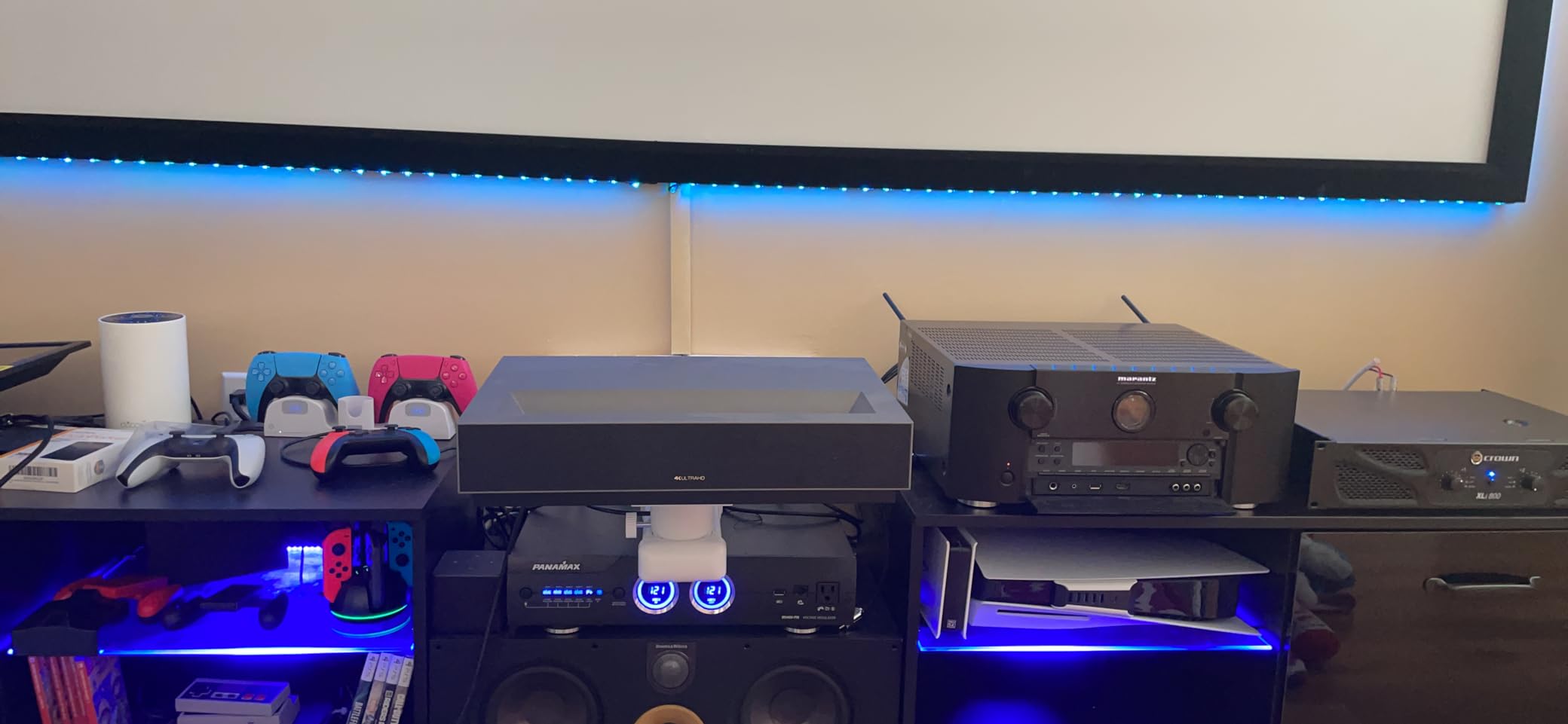
Best for maximum image in minimum depth
A studio with a shallow media console, a bedroom where the wall is a couple of feet from the furniture, or anyone who wants 150 inches and will accept 19 inches of throw. At 7 kg it needs a stable surface, and it is far lighter than the 28-pound cabinet-style projectors at the other end of this list.
US-based customer support is repeatedly praised, which matters more than it sounds if something goes wrong.
What to watch
The firmware. If you are not comfortable reselecting a source every time you power on, or you rely on one streaming app heavily, read the recent owner reviews on app stability first.
Pair it with an ALR screen, and consider the Hisense PL2 as an alternative with a longer warranty and better-documented software.
11. iSinbox: Best for Travel With a Real Short Throw Ratio
iSinbox Short Throw Projector 4K, Now with Netflix, Auto Focus, 40W Dolby
1.1:1 short throw
100 inch from 7.9 feet
500 ANSI lumens
24-month warranty
Pros
- 1.1:1 ratio puts 100 inches at 7.9 feet
- Smart OS with Netflix and 200+ apps
- AI auto focus and 6D keystone in seconds
- 360-degree stand with a carry handle
- 24-month warranty
Cons
- 500 ANSI lumens is a dark-room projector
- 4K means 1080p native with decoding
- Remote needs batteries that are not included
At the budget end, most listings claim short throw and quietly mean it. The iSinbox publishes a 1.1:1 ratio, which is honest: 100 inches from 7.9 feet is genuinely shorter than the 10 feet a standard projector needs, and it will fill up to 200 inches if your wall allows.
For the money the feature list is long. The smart OS carries Netflix, YouTube, Prime Video, Disney+, HBO Max, Paramount+ and 200 or more apps. AI auto focus, 6D keystone, auto screen alignment and smart obstacle avoidance set a clean image in about three seconds. The dual-mode 360-degree stand with an integrated handle flips between wall and ceiling projection.
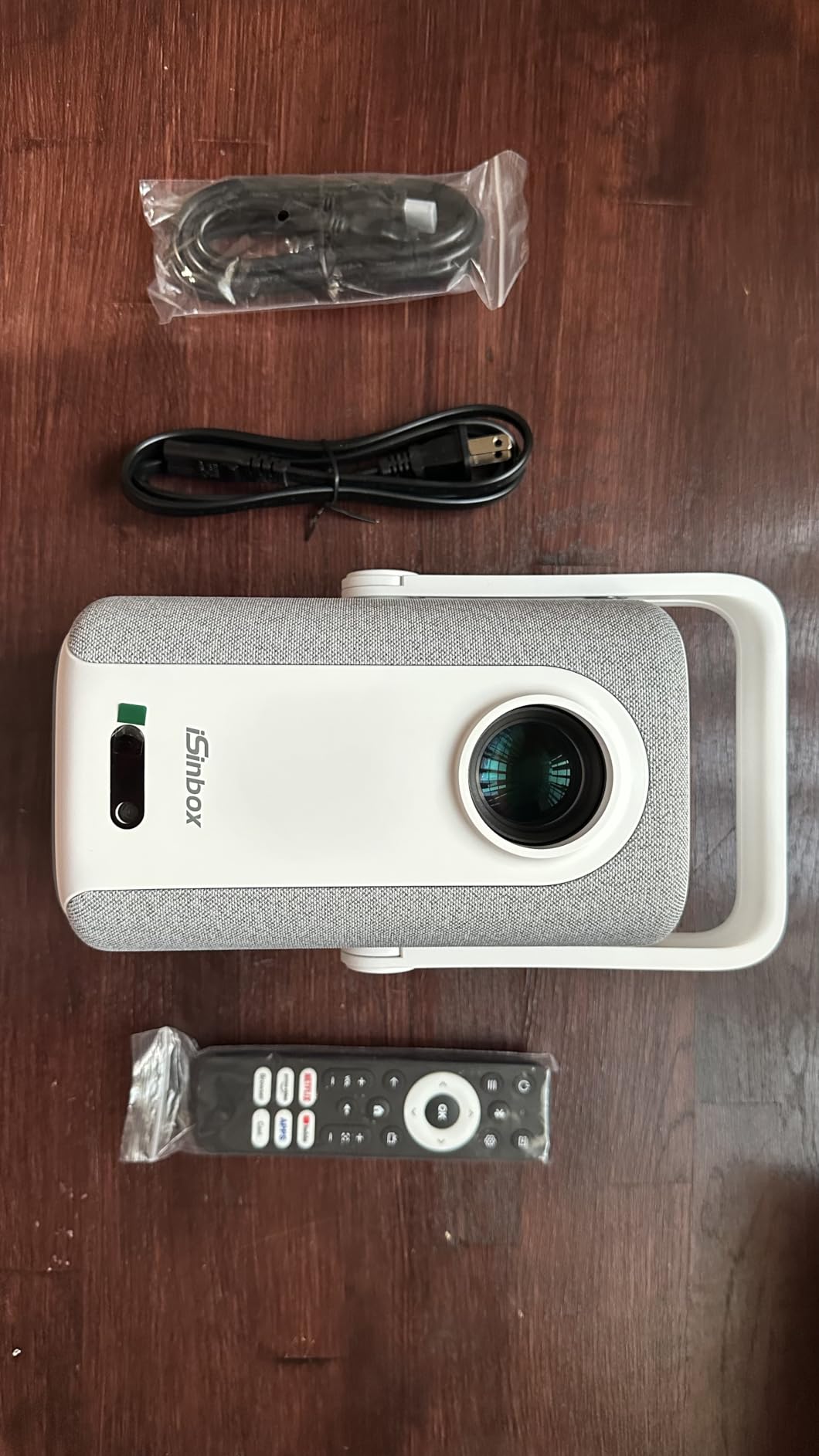
The 500 ANSI lumens figure is the real constraint, and the published number is at least honest about it. This is a dark-room projector. Any ambient light and the image washes out quickly, which is the honest limit of this price band and the reason we would not suggest it for daytime use.
Native resolution is 1080p; 4K content is downscaled, and 4K support means HDR10+ handling rather than a 4K panel. The remote does not include the two AAA batteries it needs, and Hulu is only reachable through the Disney+ channel.
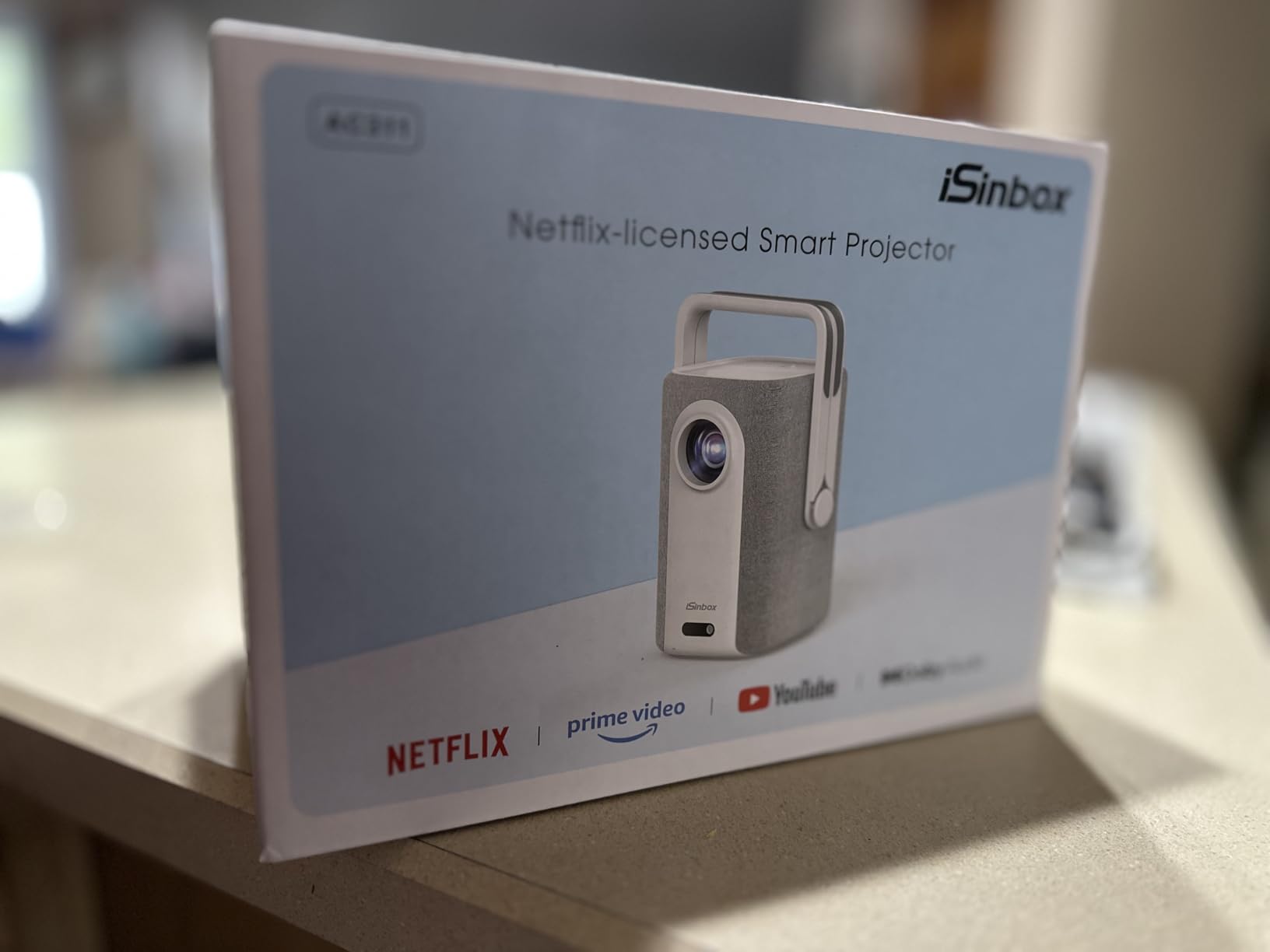
Best first projector or travel unit
A first projector, a kids’ room, or a rental where the machine will be packed away after a movie. Under 4.3 pounds with a universal M4 mount means it works on a tripod, a shelf or a ceiling bracket, and the 24-month warranty is longer than the one-year terms on the business-oriented units here. If the room doubles as a bedroom, our best kids bunk beds for small rooms picks cover the other half of the floor plan.
With blackout curtains and a wall painted a flat mid-grey, the picture is more than good enough for casual viewing.
When to spend more
If you watch regularly rather than occasionally, 500 lumens becomes tiring and the small image is the point of the whole exercise. Moving up to the TOPTRO TP3 adds a 0.8:1 ratio, a 120-inch ceiling and Google TV for very little more.
Also step up if your room has any daylight, because this one will not survive it.
12. CiBest Mini: Budget Pick and Very Dark Rooms
CiBest Mini Projector with WiFi and Bluetooth, Short Throw Full HD 1080P
300 ANSI lumens
Native 1080p
50 inch from 3 feet
Built-in streaming apps
Pros
- Sharp picture in a genuinely dark room
- 50-inch image from about 3 feet
- Built-in Netflix YouTube and Prime Video
- WiFi 6 and Bluetooth 5.4
- Compact and light for bedrooms and RVs
Cons
- Focus drifts and edges soften after zooming
- 300 ANSI lumens needs a fully dark room
- Keystone costs focus quality if overused
The CiBest Mini has the largest review base in this roundup by a wide margin, and the pattern in those reviews is consistent: owners treat it as a budget starter and are pleasantly surprised by how sharp the 1080p panel looks in a dark room. At 6.69 inches deep it is genuinely portable, and the short throw produces a 50-inch image from about 3 feet.
Streaming is built in, with Netflix, YouTube and Prime Video over WiFi 6 and two-way Bluetooth 5.4, so it works in a hotel room or an RV without a stick. Electric focus and one-click keystone handle setup, and 4K video decoding is present even though the panel is 1080p.
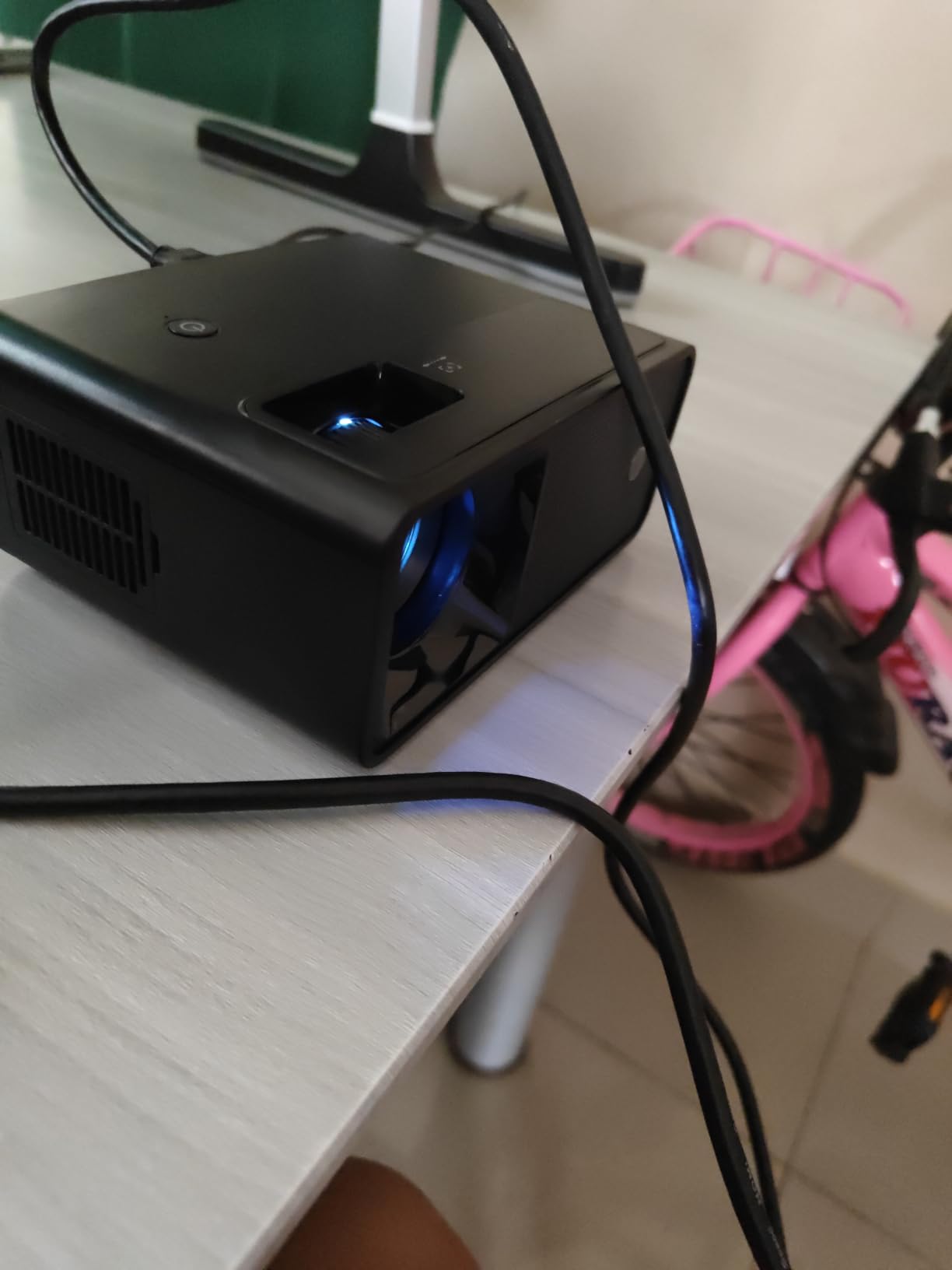
The honesty check: 300 ANSI lumens is the lowest real figure here, and the listing also carries a separate 12000 lm light source number that should be ignored. Dark scenes only hold up in a fully darkened room, and reviewers consistently report focus drift, edge softening, and blur returning after a zoom or resize.
Keystone correction reduces focus quality if you rely on it instead of physically squaring the unit, the built-in speaker does not decode Dolby audio, and some owners report image tearing with certain consoles and streaming devices. The three-year warranty outlasts the one-year terms on the office-oriented models here.
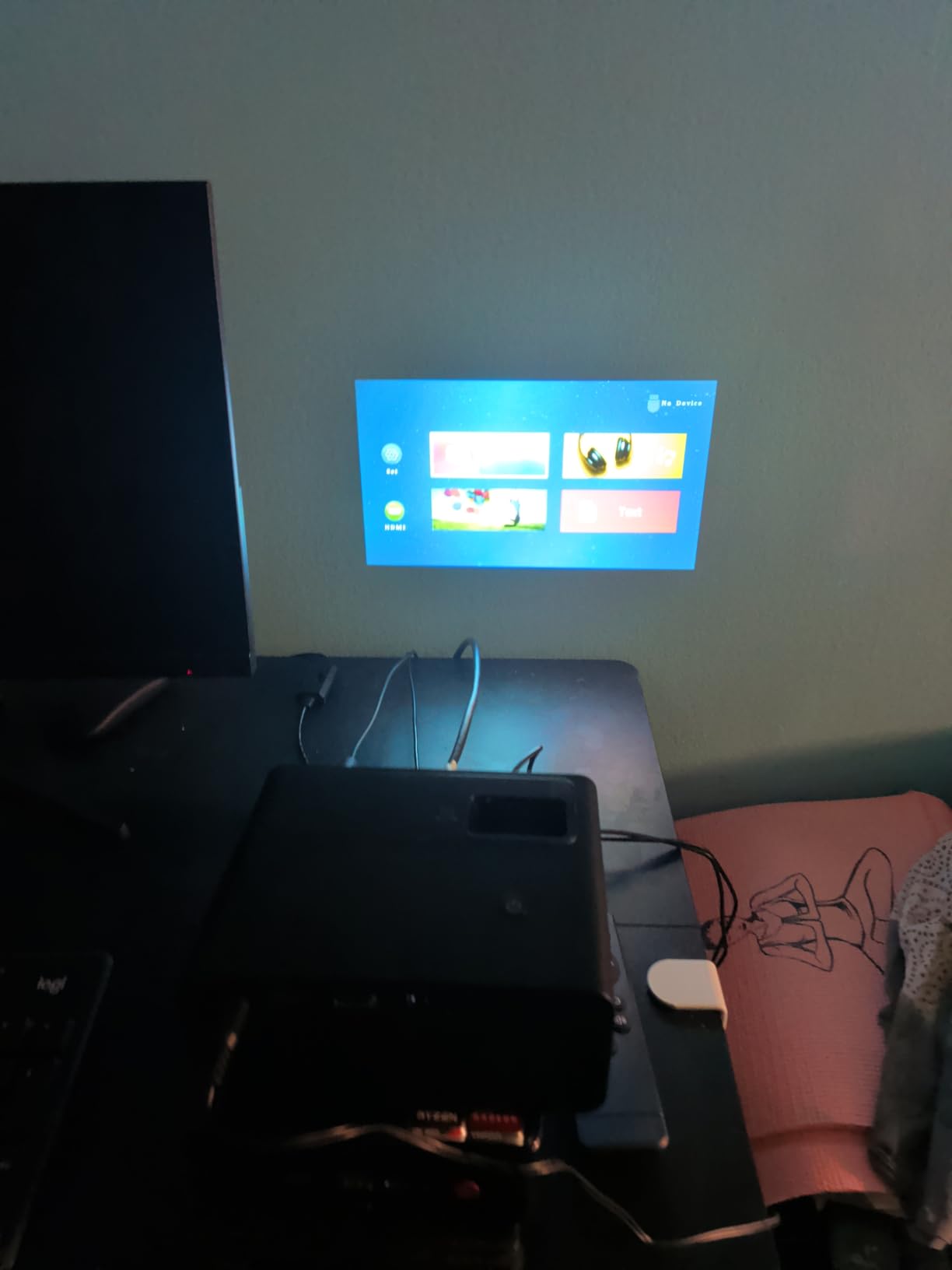
Where it makes sense
Travel, an RV, a dorm, or a first projector for a dark bedroom where the goal is a modest screen at very low cost. The short throw means it works on a coffee table, which a standard projector could not manage in the same room.
With a 3-year warranty and more than 10,000 reviews, the support and failure profile is well documented.
When to step up
Any room with a window that lets light in. A single lamp on and this unit is unusable, so if your space cannot be blacked out, the iSinbox or TOPTRO TP3 are the minimum sensible step.
Also skip it if anyone walks between the projector and the screen during viewing, because the low brightness makes shadows obvious.
How to Choose a Short Throw Projector for a Small Room
Measure before you compare. Tape the intended image size on the wall, then measure the distance from the point where the projector would sit to that wall. Divide the distance in inches by the image width in inches and you have your throw ratio requirement before you read a single spec sheet. If the number comes out above 0.9:1, you are shopping for the wrong category.
Ignore LED lumens, light source lumens and 4K support
Only ANSI lumens, or a manufacturer’s stated ISO figure, is comparable between projectors. Several projectors here publish a raw light source number alongside the ANSI figure, and the difference is routinely three to four times. Marketing also treats 4K support and 4K decoding as if it were a 4K panel; the TOPTRO TP3 and iSinbox both decode 4K sources and then display them at 1080p, and the Optoma GT1090HDR accepts 4K input at 1080p native output.
Likewise, dynamic contrast ratios like 300,000:1 are measured with the lamp modulating dynamically and mean nothing in a room. Native contrast is the only figure that predicts black level.
How much brightness you actually need
For a blackout-curtained room, 500 to 800 ANSI lumens is enough. For a room you watch in with a lamp on, or a small office, you want 3000 or more. Anything below 300 lumens is a travel projector, not a home one. The gap between 650 and 3200 lumens in this list is the difference between a picture you can watch at night and one you can watch on a Sunday afternoon.
Resolution and what you sit too close to
1080p is comfortable up to about 100 inches from normal couch distance and starts to show pixel structure past 120. WXGA 1280×800, which two units here use, is fine for documents and soft on film. Native 4K, as on the Hisense PL2 and AWOL VISION, is the only way to sit close to a 150-inch image without seeing the pixels.
Fan noise and light source life
In a bedroom, fan noise matters more than any feature. Anything above 30 dB in normal mode is audible in a silent room, and manufacturers tend to quote eco mode figures that are not representative. The Optoma GT1090HDR is documented at 32 dB in eco mode, which is about the practical ceiling for a quiet bedroom.
For light source life, laser units here are rated 25,000 to 30,000 hours with no consumables, while the lamp-based units run 4,000 to 10,000 hours. In a rental or a room where the projector lives in a ceiling, the laser is worth the premium. In a study, the lamp unit is fine.
Lens shift and digital keystone
Digital keystone correction resamples and rescales the image, which softens focus and reduces effective resolution. On a large image in a small room, viewers are closer, so the loss is more obvious. Optical or mechanical shift moves the image without touching the pixels. The Optoma GT1090HDR has horizontal and vertical shift; most of the compact units here only offer digital correction, so place them square and level before switching auto-correction on.
Gaming latency
For casual console play, anything under 40 ms is imperceptible. The BenQ TH671ST is documented as very low lag and pairs with current consoles, while the older BenQ MW632ST runs at 60Hz with a dated panel. The two 4K ultra short throw projectors here include HDMI 2.1, but neither is positioned as a competitive gaming projector, so treat gaming as a bonus on those rather than the main event.
Placement, Mounting and Screens in a Tight Space
Most small-room failures are placement failures, not product failures. Sit the projector on a surface at the same height as the centre of the image, square it, and only then think about mounting. A unit angled upward or downward relies entirely on keystone, and in a room where you sit 8 feet from a 100-inch screen the softness shows.
If you rent
No drilling is workable. The TOPTRO TP3 and iSinbox both have a quarter-inch mount hole or universal M4 mount, so a no-drill ceiling hook or a clamp-style shelf bracket will carry either one at under 3 pounds. Anything above about 8 pounds needs a real stud or a piece of furniture. Keep the exhaust pointed at open air rather than at a curtain, and leave several inches of clearance behind the unit, since intake through fabric is what causes thermal shutdowns.
For cord management without drilling, a cable channel along the baseboard or a fabric cord sleeve running behind the dresser is enough. A single HDMI cable to a streaming device plus power is the whole requirement for most of these units.
Screen and ambient light
A painted mid-grey wall is genuinely usable for a 0.5:1 to 0.9:1 short throw unit in a dark room. You do not need a screen to start. An ALR screen becomes necessary when you move to ultra short throw or when the room has daylight: it rejects light from the front of the room, which is exactly the problem an ultra short throw unit creates by sitting under the screen.
Blackout curtains matter more than any screen. In a room under 10 feet, a projection often lands on a wall the viewer is close to, and a dark curtain plus a matte dark ceiling strip near the image raises perceived contrast without spending anything.
Sound in a small room
Projector speakers are designed for speech, not film, because the image is above and behind them. The exceptions here are the TOPTRO A2 with 36W of Dolby Audio, the WEMAX Nova Pro with dual 15W drivers and DTS-HD, and the AWOL VISION LTV-3000 Pro with a center-channel speaker that maps dialogue from the screen position. In a studio where every centimeter counts, a compact soundbar is often the better purchase. Our picks for the best compact soundbars for small rooms and apartments cover that decision properly.
Frequently Asked Questions
What is the best projector for a small room?
A short throw lens is the deciding factor. A model rated at 0.5:1 to 0.9:1 fills a 100-inch image from 4 to 6 feet, where a standard-throw projector needs 10 feet or more. In this roundup the BenQ TH671ST is the balanced all-rounder, while the WEMAX Nova Pro and Hisense PL2 go further for very shallow rooms.
What is the best projector for a small bedroom?
Brightness and noise decide it. Below 800 ANSI lumens you need blackout curtains to watch at night, and anything above 30 dB is audible in a quiet bedroom. The BenQ TH671ST at 3000 ANSI lumens handles a lit room, and the TOPTRO TP3 is the easiest to ceiling-mount at 2.6 pounds for projection above the foot of the bed.
What is the best projector for a small apartment?
Apartment dwellers should prioritise no-drill mounting and shallow depth. The TOPTRO TP3 has a quarter-inch mount hole and a rotatable stand at 2.6 pounds, and the WEMAX Nova Pro puts 150 inches on the wall from 19 inches away. Leave clearance around the exhaust so it never blows onto curtains or bedding.
Are short throw projectors worth it?
Yes, when your viewing wall is closer than 12 feet. Short throw optics cut the distance to a 100-inch image from roughly 10 feet down to 4 or 5, which is the difference between a usable screen and a 60-inch one in a small room. In a larger space, the same money buys a better image on a standard-throw model instead.
Do projectors work in small rooms?
They work well, with two conditions. First, your room needs a genuinely dark surface and curtains or blinds, because below 800 ANSI lumens ambient light washes the image out. Second, the lens must match the depth. Measure the distance from your projector position to the wall and divide by the image width before you buy anything.
What is the best short-throw projector for gaming?
Input lag matters more than resolution. The BenQ TH671ST is documented as very low lag with refresh rate matching current consoles, which makes it the safest choice for PS5 and Xbox Series X play. The Optoma GT1090HDR is bright and quiet but runs at 60Hz, and the older BenQ MW632ST is limited to WXGA at 60Hz.
Should I get an ALR screen for a short throw projector?
Not for a conventional short throw unit in a dark room. A mid-grey painted wall handles a 0.5:1 to 0.9:1 lens with keystone switched off. An ambient light rejecting screen becomes necessary for ultra short throw models, which sit under the screen and let front light hit the image directly, or for any room that has daylight.
Which Short Throw Projector Should You Buy in 2026
Measure your room, then pick the throw ratio. If you have 5 feet or more from the wall, the best short throw projectors for small rooms are the conventional short throw units, and the BenQ TH671ST is the one to beat: 3000 ANSI lumens, native 1080p, low gaming latency and a durability record nothing else here matches. Add the Hisense PL2 if 4K and Dolby Vision matter more than brightness, and add the Optoma GT1090HDR if the room has a window.
Under 4 feet, you are in ultra short throw territory. The WEMAX Nova Pro gives you 150 inches from 19 inches of throw, and the Hisense PL2 gives you 4K with Dolby Vision. Both are better on a wall, both need a dark room or an ALR screen, and both are far larger and heavier than anything else on this list. If you rent, the 2.6-pound TOPTRO TP3 is the unit you can actually install and move.
And if the room is dark, small and the budget is modest, the iSinbox and the CiBest Mini will both give you a real short throw image and a built-in streaming platform. Pick whichever suits your throw distance, darken the room, and start there. The full comparison table above has every spec for all 12 units side by side.