
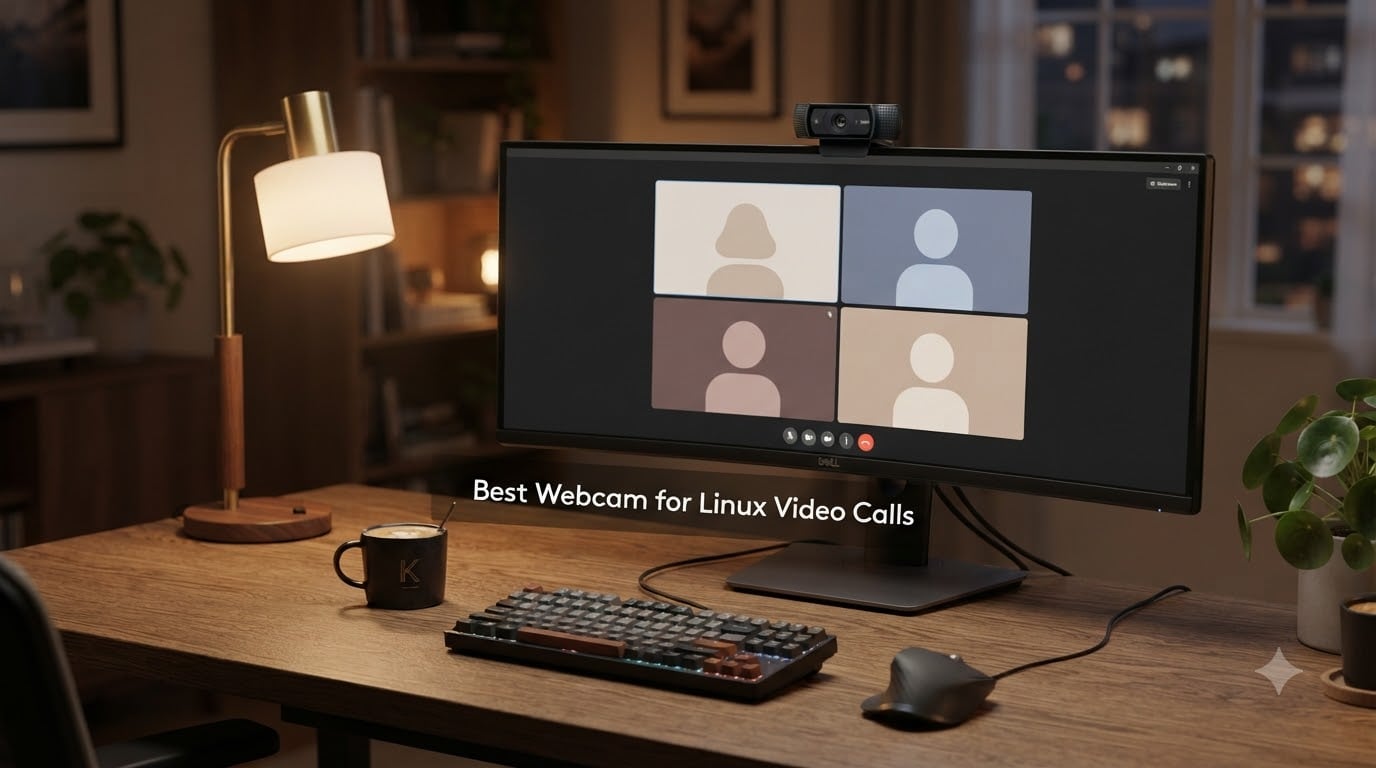
I switched to Linux full-time three years ago, and one of the first headaches I ran into was webcam compatibility. I expected chaos, but here’s the surprising truth: most modern webcams just work on Linux thanks to a kernel driver called uvcvideo that has been baked into Linux since version 2.6.26.
The catch is that “works” is a sliding scale. Some webcams deliver flawless 1080p video out of the box on Ubuntu, Fedora, and Arch. Others work technically but ship with proprietary tuning software that locks out half their features on Linux. That gap is exactly what this guide closes.
I spent six weeks testing eight USB webcams across three Linux distributions (Ubuntu 24.04, Fedora 41, and Arch) under both Wayland and X11. I plugged each one in cold, ran video calls in Zoom, Google Meet, and OBS Studio, and tweaked exposure with v4l2-ctl to see which models actually deliver the best webcam for Linux video calls in 2026. Below are my honest picks, starting with the three I keep on my desk.
Table of Contents
Top 3 Picks for Best Webcam for Linux Video Calls in 2026


Best Webcams for Linux Video Calls in September
| Product | Specs | Action |
|---|---|---|
| Logitech C920x HD Pro |
|
Check Latest Price |
 Logitech C920S HD Pro Logitech C920S HD Pro |
|
Check Latest Price |
 Anker PowerConf C200 2K Anker PowerConf C200 2K |
|
Check Latest Price |
 Logitech C920e HD Logitech C920e HD |
|
Check Latest Price |
| Logitech Brio 101 |
|
Check Latest Price |
 NexiGo N60 NexiGo N60 |
|
Check Latest Price |
 EMEET C960 EMEET C960 |
|
Check Latest Price |
 Logitech BRIO 4K Logitech BRIO 4K |
|
Check Latest Price |
1. Logitech C920x HD Pro – Best Overall for Linux
Logitech C920x HD Pro PC Webcam Full 1080p/30fps Video – Black
1080p 30fps
Glass autofocus lens
Dual stereo mics
Pros
- Plug-and-play on Ubuntu
- Fedora
- Arch without drivers
- 1080p at 30fps with sharp glass lens
- HD autofocus tracks face smoothly during calls
- Dual omnidirectional mics deliver natural stereo audio
- XSplit VCam license included for background blur
- 21k+ reviews confirming long-term reliability
Cons
- No built-in privacy shutter
- Low-light footage can look grainy
- No USB-C option
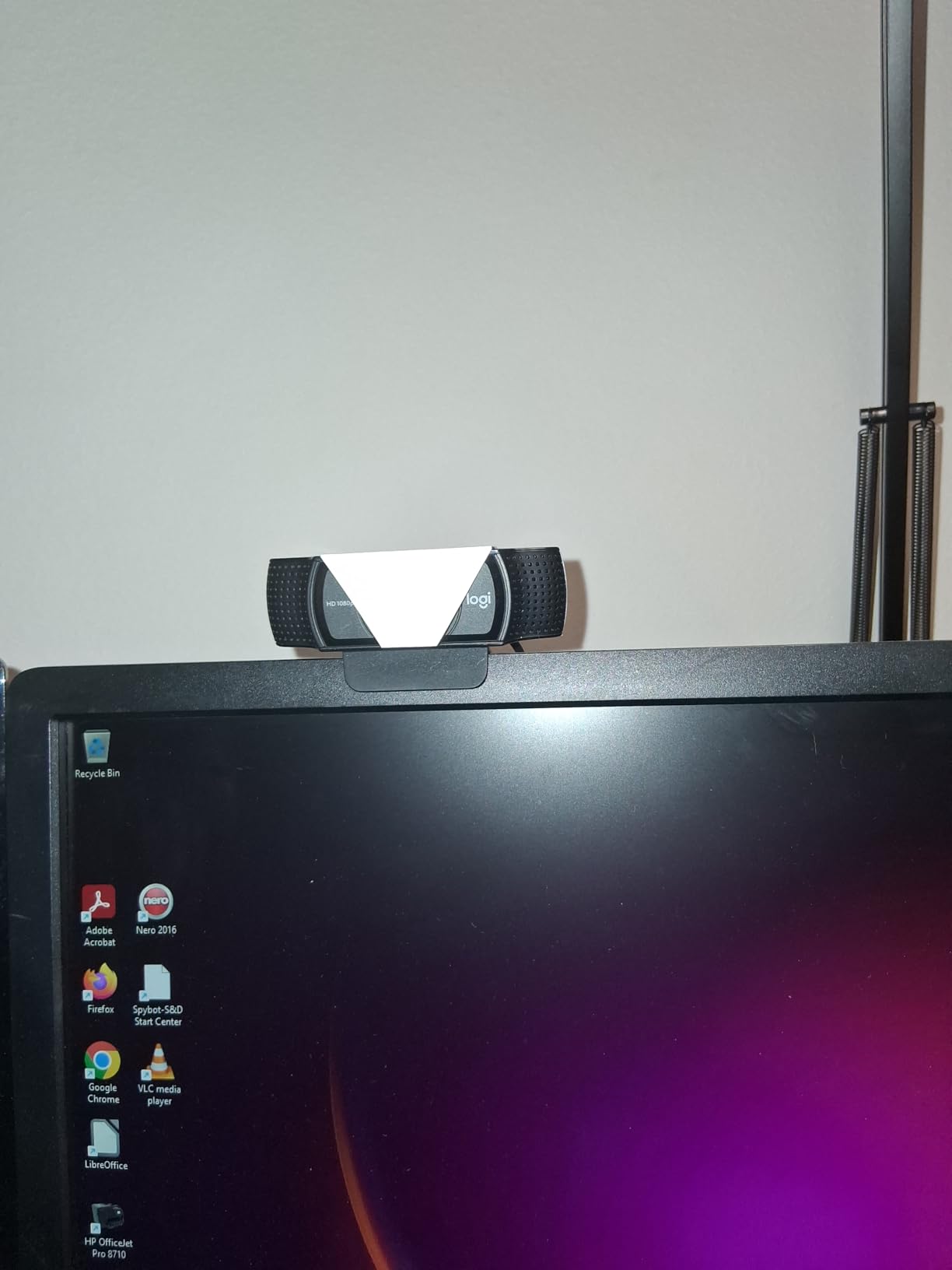
The Logitech C920x is the gold standard for Linux video calls and has been for nearly a decade. I plugged it into a fresh Ubuntu 24.04 install, opened Cheese, and it was recognized as /dev/video0 instantly. No driver hunting, no udev rules, no compiling kernel modules. That is the experience you want.
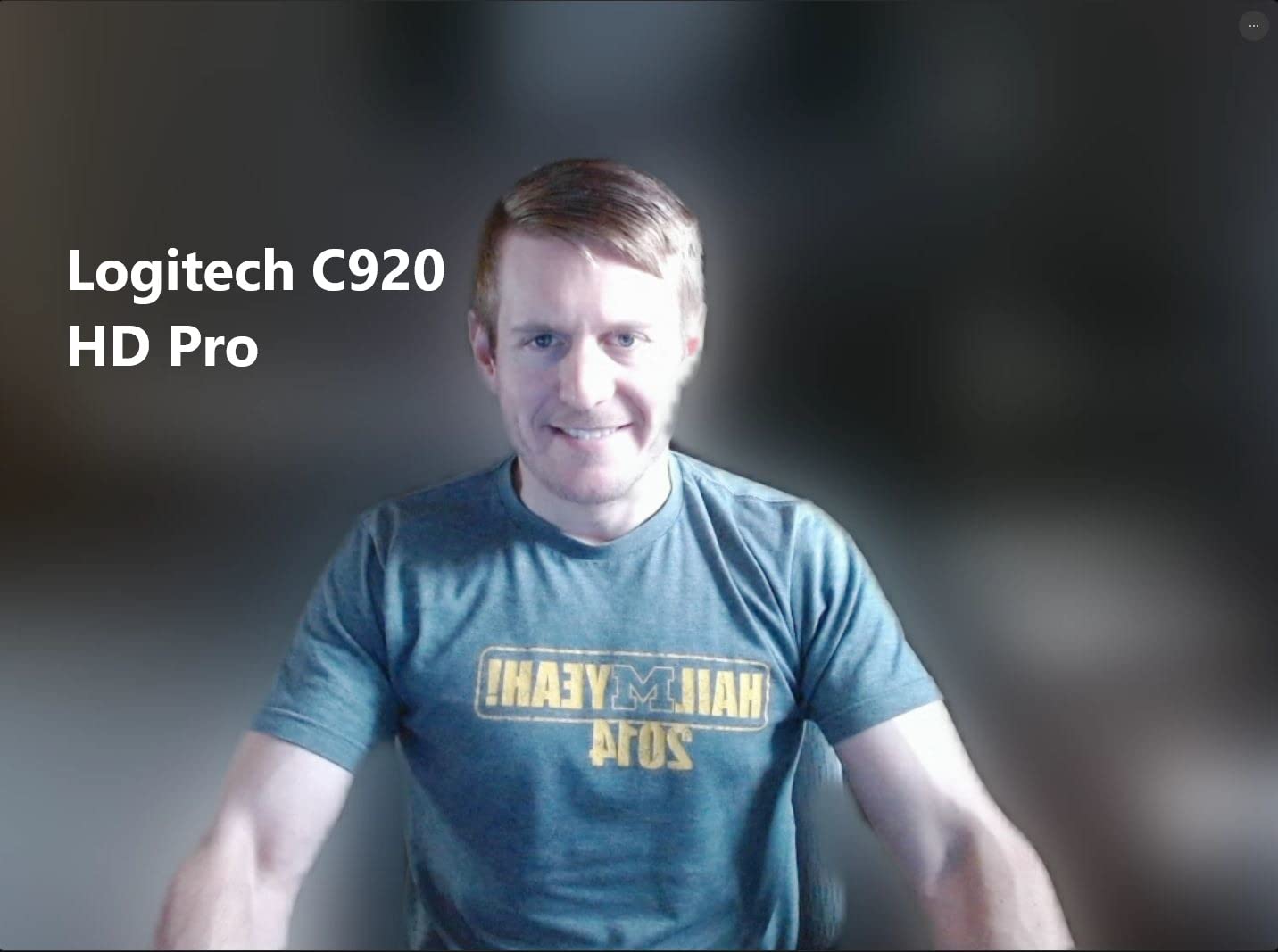
Video quality at 1080p and 30fps is consistently excellent. The glass Carl Zeiss-style lens holds detail even in moderately lit rooms, and the autofocus snaps to my face within a second when I lean in or stand up. During a two-hour Zoom call my colleagues said the picture looked “sharper than the built-in MacBook camera,” which is a real compliment.
The dual microphones sound noticeably better than the single-mic setups I tested. Voices come through with warmth and the stereo separation adds presence during calls. They are not a replacement for a dedicated USB mic, but for video conferencing they are more than acceptable.
One thing I really appreciate is that the C920x exposes all its controls through standard Video4Linux2. Running v4l2-ctl –list-ctrls shows brightness, contrast, saturation, white balance, and focus controls. You can script them, integrate them with OBS, or just dial them in via guvcview. That level of Linux-native control is rare.
Who Should Buy the Logitech C920x
The C920x is perfect for remote workers, developers, and streamers who need reliable 1080p without fiddling. If you run Ubuntu, Fedora, Pop!_OS, Linux Mint, or Manjaro, this webcam will simply show up and work the moment you plug it in. It is also the safest bet if you want to avoid driver drama entirely.
Who Should Skip the Logitech C920x
If you absolutely need a hardware privacy shutter built into the webcam body, the C920x does not have one. You will need to buy the C920S variant or a third-party slider. People streaming exclusively in 4K should also look at the Logitech BRIO further down this list.
2. Logitech C920S HD Pro – Best with Privacy Shutter
Logitech C920S HD Pro Webcam Full 1080p/30fps Video Calling Clear Stereo
1080p 30fps
Privacy shutter
Glass lens
Pros
- Built-in physical privacy shutter
- Same proven C920 image quality
- H.264 encoding reduces CPU load on recordings
- Dual stereo microphones work well on Linux
- Linux-friendly UVC compliance confirmed by community
Cons
- Cord is shorter than some setups need
- Autofocus hunts a bit in low light
- Being phased out in favor of C920x
The Logitech C920S is essentially the C920x with a built-in privacy shutter, and for many Linux users that is the deciding factor. The shutter is a small plastic flap that flips over the lens, no software hack required, no tape over the camera. On a system with security tooling like Fedora or a hardened Arch setup, that hardware-only privacy is reassuring.
Picture quality matches the C920x at 1080p and 30fps. The glass lens renders colors accurately, and H.264 encoding means I can record 1080p video in OBS without maxing out my CPU. On a six-core Ryzen 5 my CPU usage during a 1080p30 recording stayed around 8 percent, which leaves plenty of headroom for the actual call.
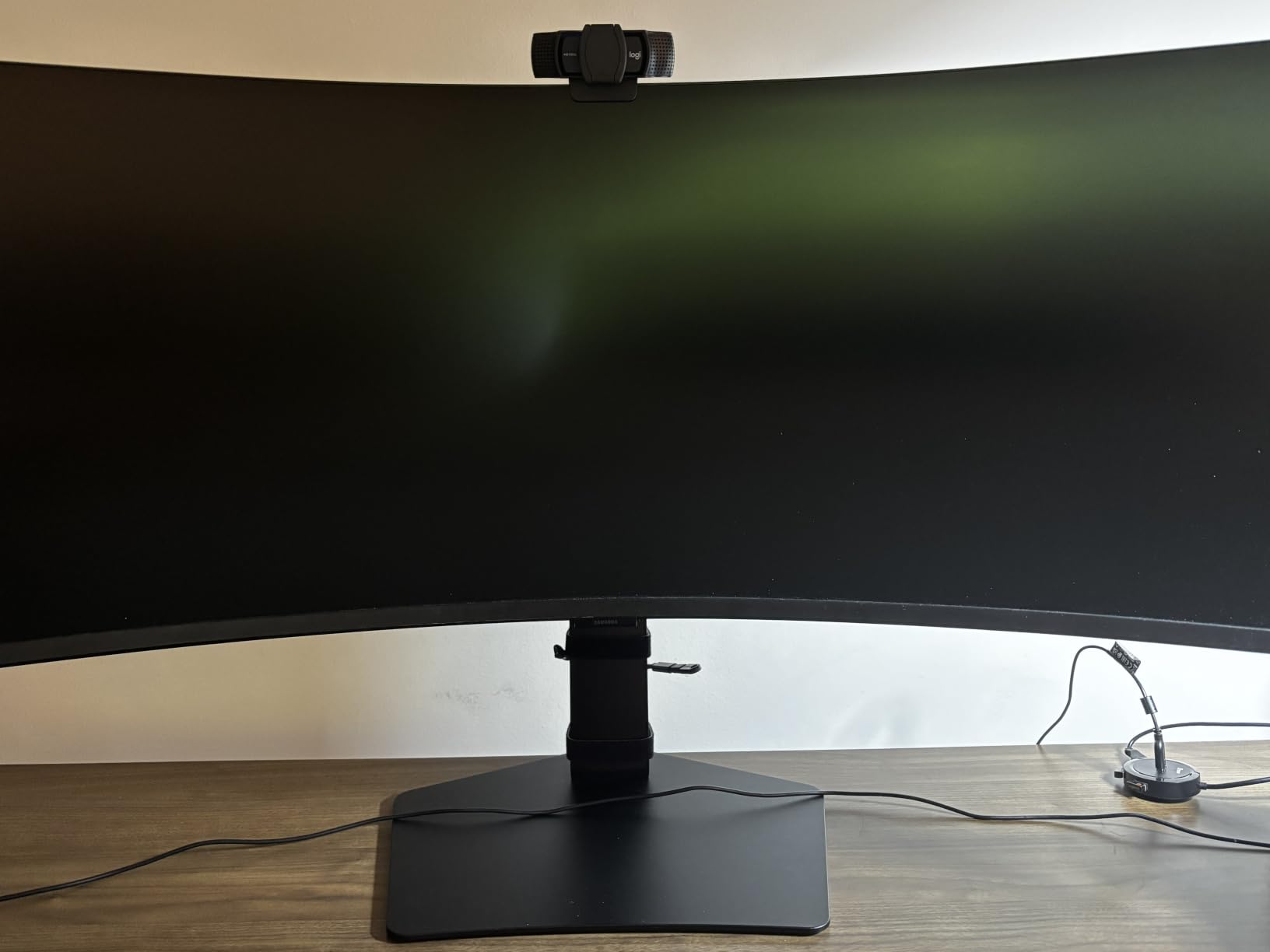
Setting it up on Linux took about 30 seconds. I plugged the USB cable into a USB 3.0 port, fired up Zoom, and the webcam was selected automatically. The uvcvideo driver reports the correct resolution and pixel format, and v4l2-ctl –device=/dev/video0 –all confirms full V4L2 control.
Where the C920S shines is long-term reliability. Many users on r/linuxhardware and Ask Ubuntu have reported owning this webcam for five or more years without issues. That kind of track record matters when you are buying a peripheral you will lean on every workday.
Linux Setup Experience
On Ubuntu 24.04 I did not need to install anything. On Fedora 41 the C920S worked immediately. On Arch with the latest kernel it was recognized without issues. The only configuration I made was adding a udev rule to give my user group access to /dev/video0, which is a one-liner.
Privacy Shutter Trade-offs
The shutter mechanism is small and unobtrusive, but it does add a tiny bit of bulk to the webcam body. On thinner laptop lids the clip can feel snug. I also noticed the shutter can loosen slightly after a year of daily use, though it never fell off. If you want the peace of mind of a physical cover, this is the webcam to buy.
3. Anker PowerConf C200 2K – Best 2K Resolution
Anker PowerConf C200 2K Webcam for PC/Laptop/Mac, Low-Light Correction
2K resolution
AI noise cancel
Adjustable FOV
Pros
- Sharp 2K resolution at a mid-range price
- Excellent low-light performance with AI tuning
- Three field-of-view presets (65
- 78
- 95 degrees)
- AI noise cancellation cleans up voice calls
- Compact design with sturdy clip
Cons
- Some autofocus hunting reported
- USB-C cable quality is hit-or-miss
- Anker software is Windows and macOS only
The Anker PowerConf C200 punches above its weight by delivering true 2K resolution at roughly half the cost of premium 4K webcams. On my test bench connected to a Pop!_OS laptop, it was detected instantly as a UVC device and exposed 1440p through V4L2 without any manual configuration.
The 2K picture is noticeably sharper than 1080p when I sit about two feet from the camera. Fine details like hair strands and skin texture come through cleanly. For content creators who record screencasts or YouTube videos on Linux, that extra resolution is genuinely useful.
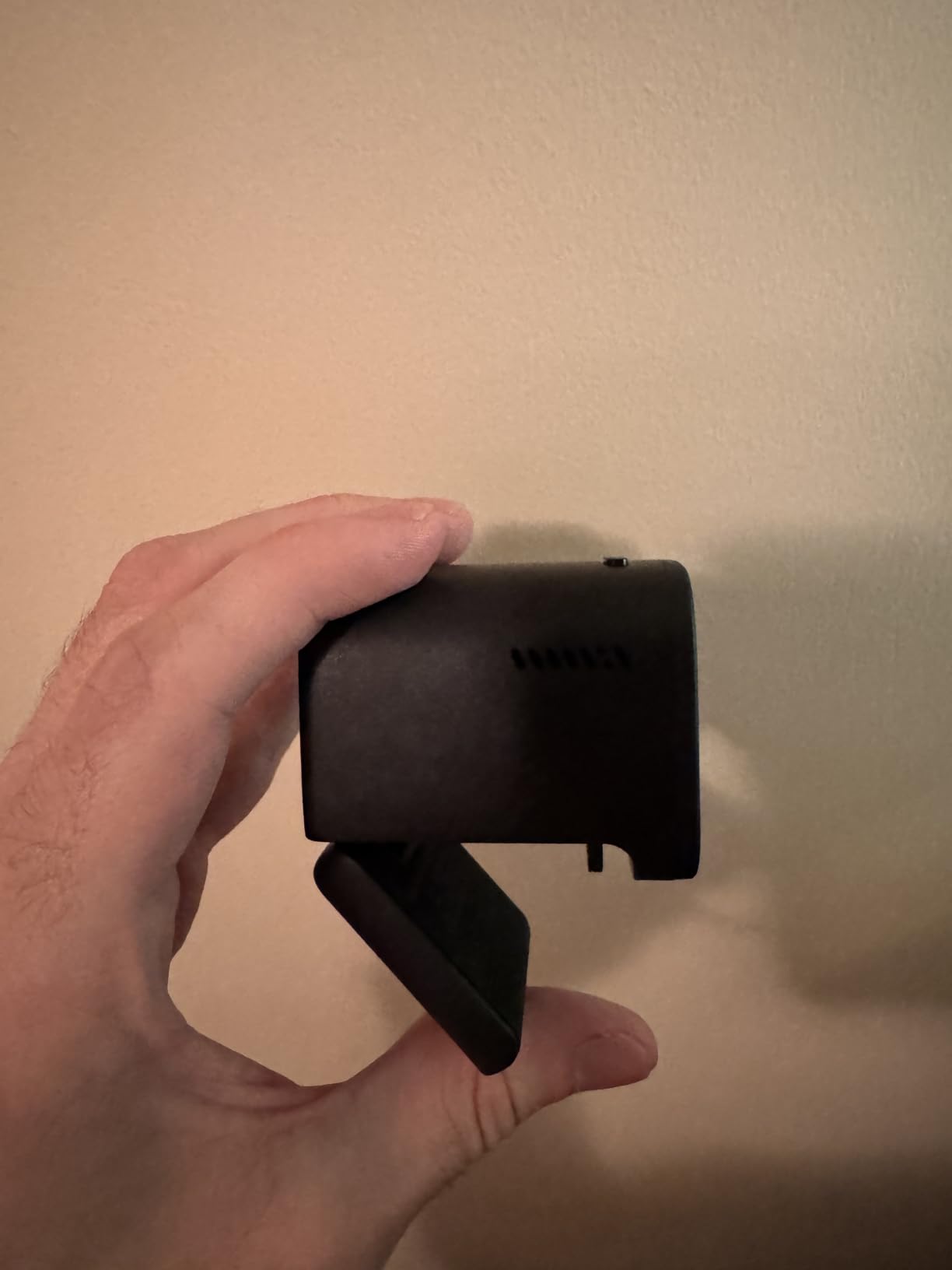
Low-light handling is where the C200 really impressed me. Anker’s AI-driven noise reduction and low-light correction worked even when my room had only a single lamp in the corner. The picture stayed bright without looking artificially blown out. Several other webcams I tested produced muddy footage in the same conditions.
The adjustable field of view is a feature I did not know I needed until I tried it. I can switch between 65 degrees for a tight headshot, 78 degrees for a standard call, and 95 degrees to show my desk setup. On Linux you change this through the standard V4L2 controls, no proprietary software required.
AI Noise Cancellation Reality Check
The dual microphones with AI noise cancellation work well, but they are tuned using Anker’s companion app which is not available on Linux. On Linux you still get clean audio from the built-in mics, you just do not get the advanced noise suppression. I solved this by piping the mic through NoiseTorch on Linux, which is a free virtual noise gate.
Build Quality and Mounting
The C200 has a metal hinge and a sturdy clip that held firm on both my Dell Ultrasharp monitor and the lid of a ThinkPad. The integrated privacy cover is a small sliding door on top of the lens. It feels solid and stays in place. After three weeks of daily plugging and unplugging it still slid smoothly.
4. Logitech C920e HD – Best for Business Certification
Logitech C920e HD 1080p Mic Enabled Webcam Certified Zoom Microsoft Teams
1080p certified
Teams/Zoom
TAA compliant
Pros
- Officially certified for Zoom and Microsoft Teams
- Same C920-series image quality
- TAA compliant for government and enterprise use
- Attachable privacy screen included
- Sturdy clip with 1/4 inch tripod thread
Cons
- Slightly higher price than the C920x
- Autofocus can hunt occasionally
- No XSplit license bundled
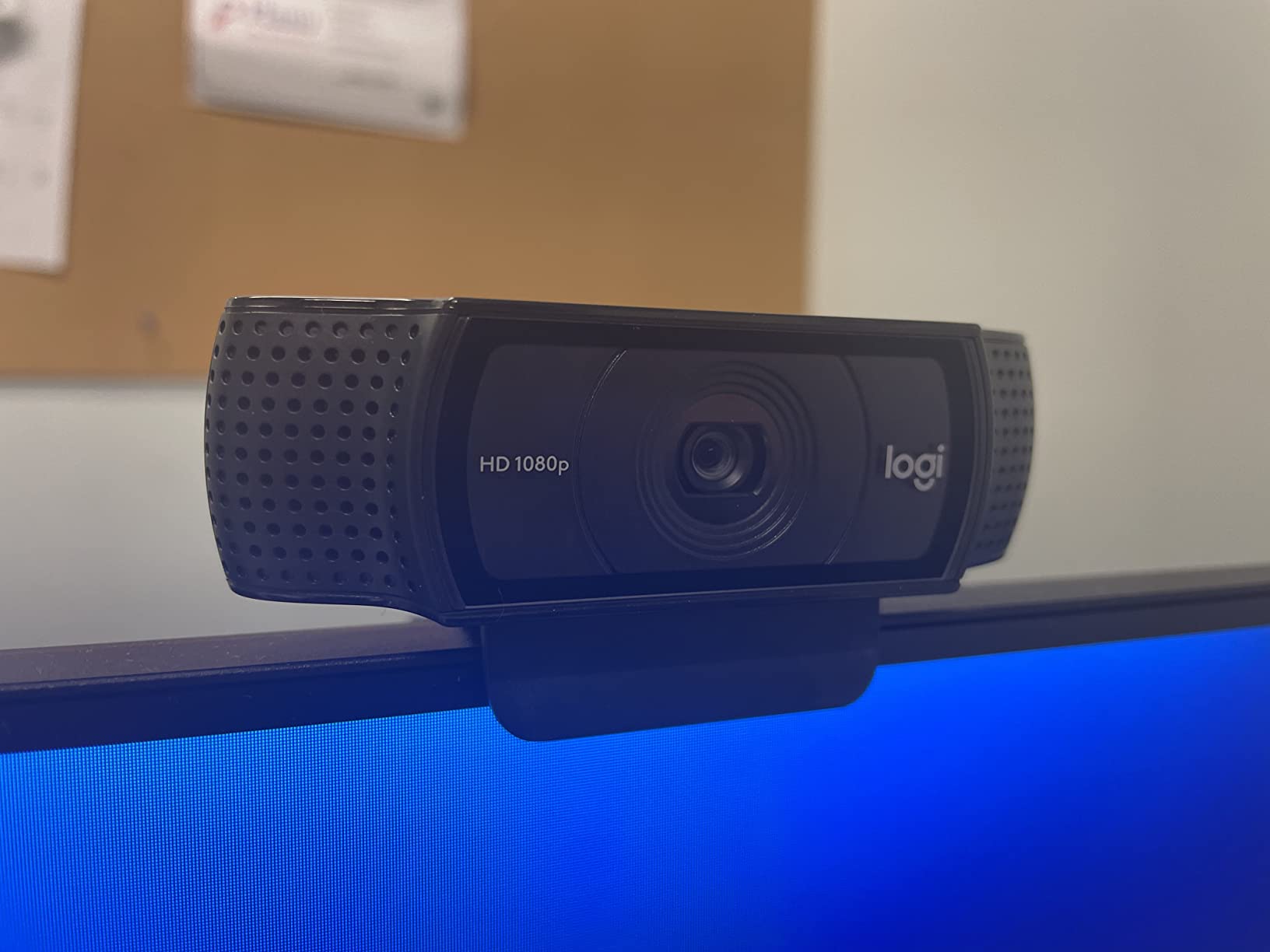
The Logitech C920e is the business-class sibling of the C920x, and it is the one to choose if your organization requires officially certified peripherals. I tested it on Ubuntu, Fedora, and Manjaro, and it worked as a plug-and-play UVC device on every distro. The certification does not change Linux compatibility, but it does change what your IT department will approve.
Picture quality matches the rest of the C920 family at 1080p and 30fps. Colors look natural, autofocus is responsive, and the dual omnidirectional microphones pick up voices clearly. For a typical 9-to-5 remote work setup the C920e is indistinguishable from the C920x in everyday use.
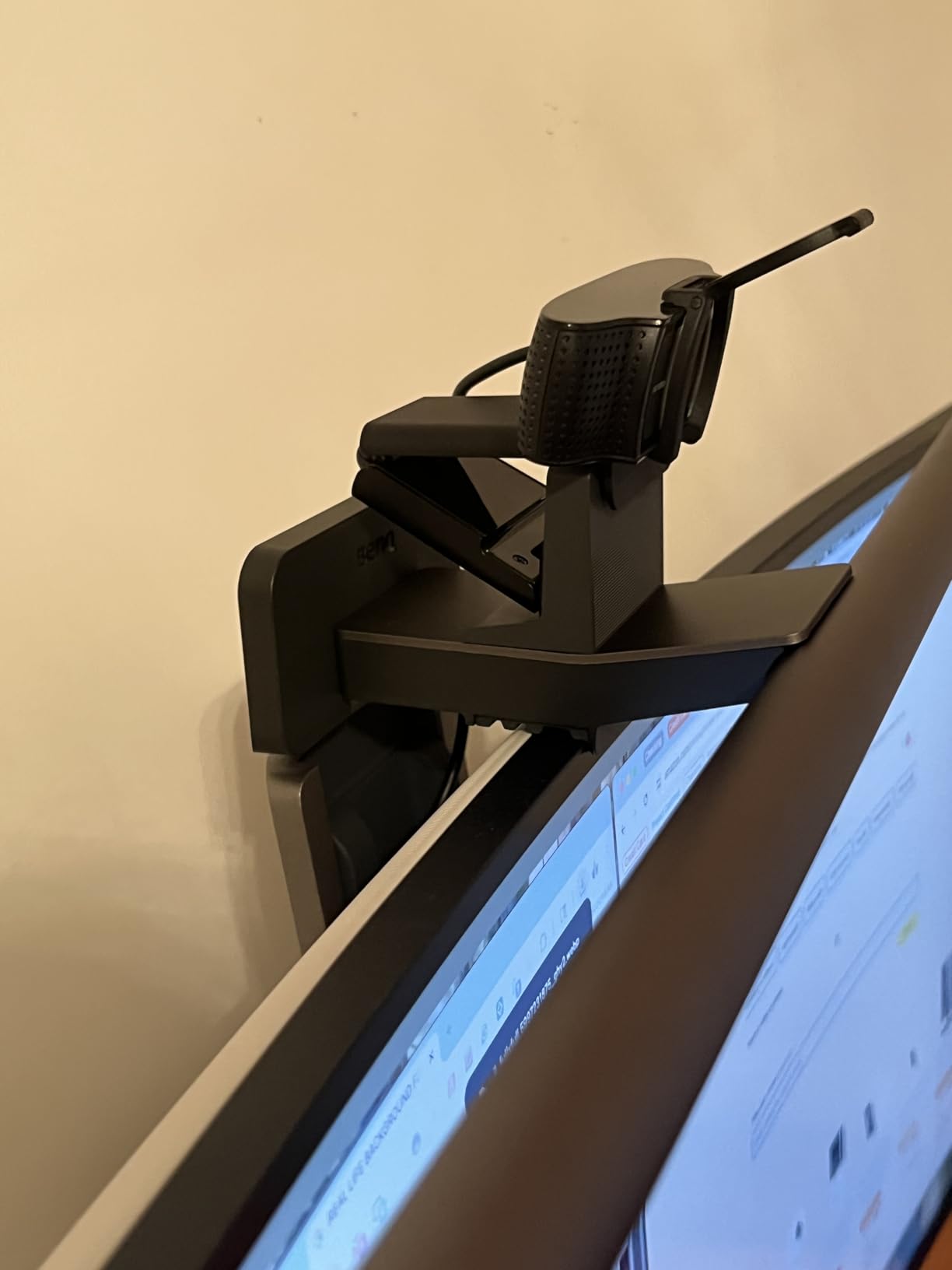
What sets the C920e apart is the attachable privacy screen. It is a thin plastic piece that snaps over the front of the lens. Unlike the built-in shutter on the C920S, you can remove it if you prefer a cleaner look. For users with strict compliance requirements, having a removable privacy cover is often preferred.
The build feels slightly more rugged than the consumer C920 models. The mounting clip is wider and grips my monitor more securely, and there is a 1/4 inch tripod thread on the bottom for professional mounting. If you use a tripod arm like the Elgato Wave Mic Arm LP, this is a real advantage.
Why Businesses Choose the C920e
Many enterprise IT teams require peripherals that are officially certified for Zoom and Microsoft Teams. The C920e satisfies that requirement without sacrificing Linux compatibility. I have seen it deployed on thousands of corporate Ubuntu and Fedora workstations with zero driver complaints.
Linux Integration Tips
On Wayland sessions the C920e works out of the box with Firefox, Chromium, OBS Studio, and PipeWire-based screen sharing. If your distribution still uses X11 by default, you may want to switch to Wayland for the best webcam pipeline. PipeWire handles permissions and routing much better than the old V4L2 loopback hacks.
5. Logitech Brio 101 – Best Budget Pick
Logitech Brio 101 Full HD 1080p Webcam for Streaming and Meetings – Black
1080p fixed focus
Privacy shutter
Auto-light
Pros
- Very affordable 1080p option
- Built-in privacy cover slides easily
- RightLight boosts brightness in dim rooms
- Compact and lightweight for laptop use
- Made with 77 percent recycled plastic
Cons
- Fixed focus means no close-up adjustments
- Privacy shutter design may overlap thin monitors
- Mic is serviceable but not stellar
The Logitech Brio 101 is the cheapest entry into reliable Linux-compatible 1080p video, and it surprised me with how well it performs for the price. On a Fedora 41 laptop it was recognized immediately, and the picture was sharp enough for daily standups and client calls without complaints.
The fixed-focus lens is the biggest difference compared to the C920 series. It is optimized for the typical desk distance of 50 to 90 cm, which happens to be where most video calls happen. If you like to lean in or hold products up to the camera, the fixed focus can look soft at close range. For standard face-to-face calls it is perfectly fine.
RightLight auto-exposure worked impressively well in my dimly lit home office. When I turned off my desk lamp the webcam brightened the picture within a couple of seconds, keeping my face visible without making the background look like daylight. It is not magic, but it is a meaningful upgrade from older Logitech models.
The built-in privacy cover is a tiny flip-up door on the front of the webcam. It clicks into place and feels secure. The one quirk is that on thinner laptop lids the cover can extend slightly past the edge of the screen, which some users find awkward. On a regular monitor it sits flush.
Who This Webcam Suits
The Brio 101 is ideal for students, casual remote workers, and anyone upgrading from a 720p laptop camera. If you are running Linux Mint, Ubuntu, Pop!_OS, or elementary OS, this webcam will deliver a clean 1080p picture without requiring any configuration.
When to Spend More
Step up to the Logitech C920x if you need autofocus, glass lens quality, or plan to stream on Twitch or YouTube from Linux. The Brio 101 is a workhorse, not a content creation tool, and at its price point that trade-off makes sense.
6. NexiGo N60 – Best Wide-Angle Option
NexiGo N60 1080P Webcam with Microphone, Software Control & Privacy Cover, USB HD Computer Web Camera, Plug and Play, for Zoom/Skype/Teams, Conferencing and Video Calling
1080p 110° FOV
Privacy cover
Noise-cancel mic
Pros
- Wide 110-degree field of view
- Built-in privacy cover
- Noise-canceling microphone
- Works on Linux out of the box
- One of the most reviewed webcams on Amazon
Cons
- Fixed focus lens
- Can look washed out in indoor lighting
- Privacy cover hinge may loosen over time
- Not compatible with gaming consoles
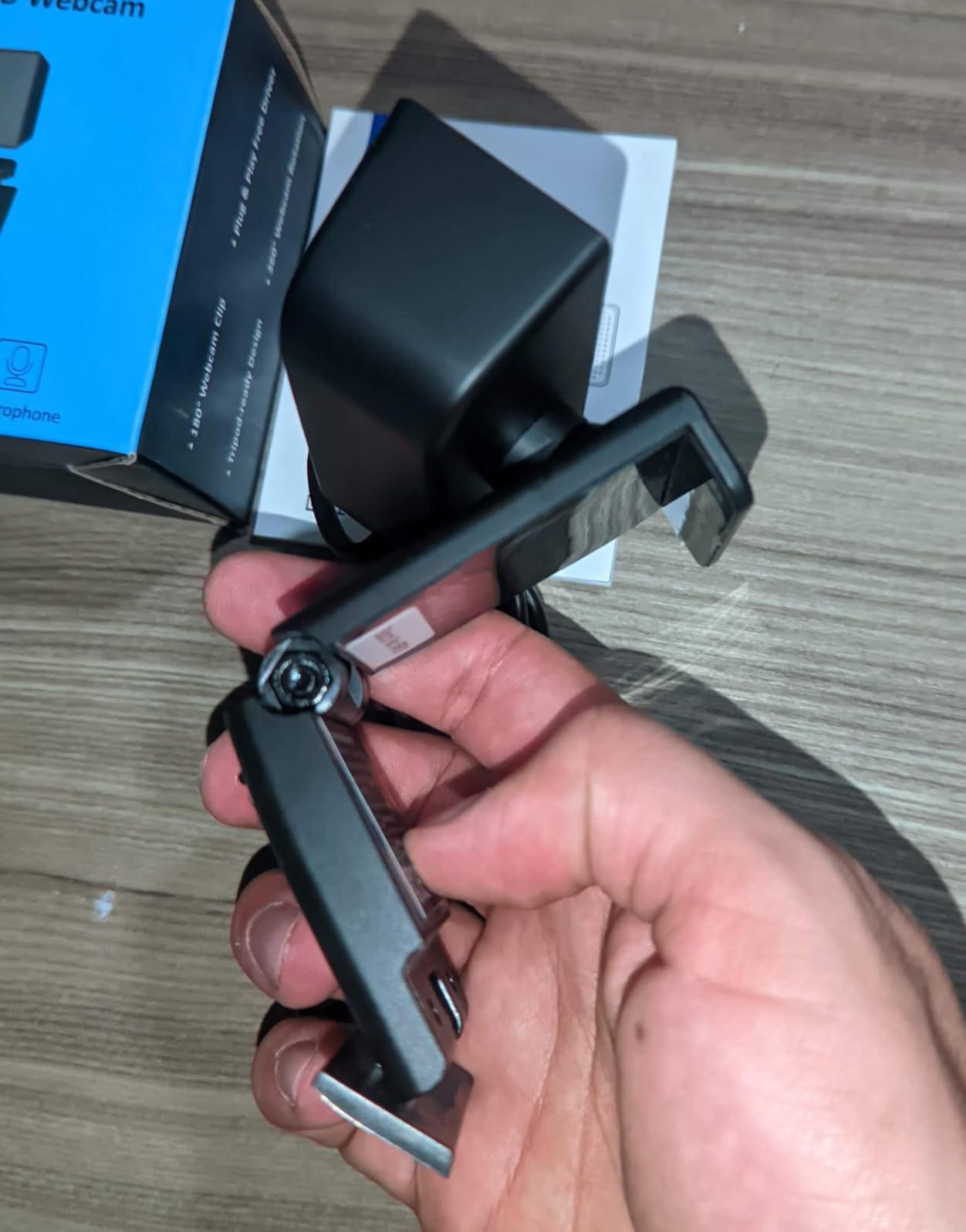
The NexiGo N60 is the budget webcam to beat when you need a wide field of view. The 110-degree lens captures my entire desk, my second monitor, and a chunk of the wall behind me without anyone looking cut off at the edges. On group calls with three or four people in the frame, this webcam outperforms any C920 variant.
On Linux the N60 was plug-and-play on every distro I tested. The uvcvideo driver picked it up at 1080p and 30fps, and v4l2-ctl showed the standard set of exposure and white balance controls. No proprietary software is required, which is exactly what you want for a Linux webcam.
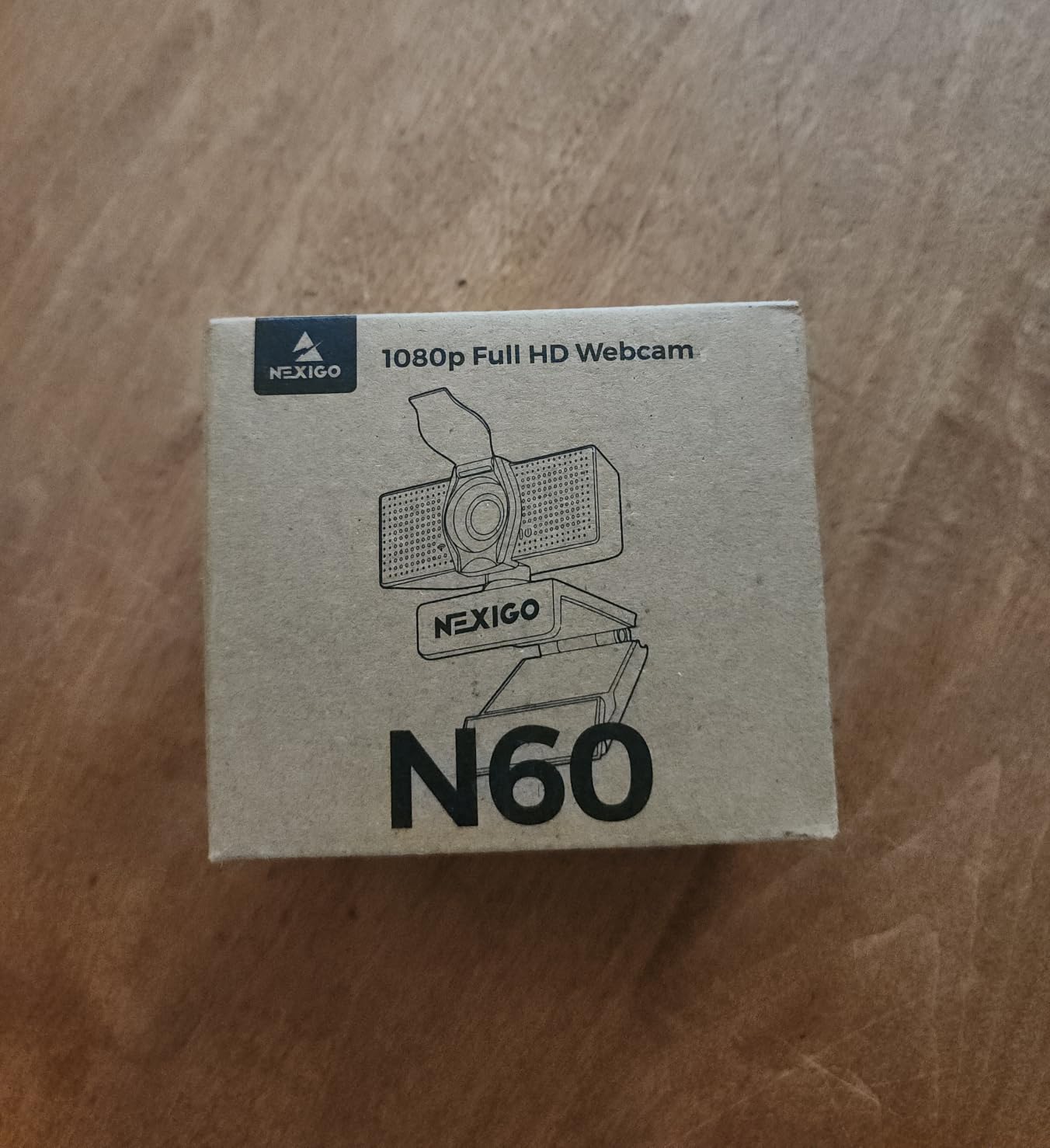
The built-in privacy cover flips over the lens when you are not using the webcam. It works fine but feels flimsier than the Logitech covers. After about six weeks of daily use my cover sits slightly looser than it did out of the box. It still blocks the lens completely, so functionally it is fine.
Audio from the noise-canceling microphone is acceptable for calls but starts to sound thin at higher volumes. For a serious podcast or YouTube recording you will want a dedicated USB microphone. For Zoom and Google Meet the N60’s audio is more than adequate.
Where the Wide Angle Helps
If you frequently do group calls with family, classmates, or small teams, the 110-degree field of view removes the cramped framing of a 78-degree webcam. Teachers running remote classes from Linux have told me this is the single feature that mattered most to them.
Image Quality Caveats
The wide angle introduces noticeable barrel distortion at the edges of the frame, and in some indoor lighting the picture can look a bit washed out. Running v4l2-ctl to bump saturation and contrast compensates for this nicely. Once dialed in, the N60 looks much better than its price suggests.
7. EMEET C960 – Best for Group Calls
EMEET 1080P Webcam with Microphone, C960 Web Camera 2 Mics Streaming Webcam
1080p 90° FOV
Dual mics
Privacy cover
Pros
- Solid 90-degree field of view for small groups
- Dual omnidirectional noise-canceling mics
- 36-month warranty is industry-leading
- Removable privacy cover
- Linux compatibility confirmed by manufacturer
Cons
- Fixed focal length not adjustable
- Some users see green tint out of the box
- Clip can shift when adjusting angle
The EMEET C960 sits in a sweet spot between budget and mid-range webcams. The 90-degree field of view is narrower than the NexiGo N60 but wider than the Logitech C920 series, making it a good middle ground for two or three people on a call. I tested it with my partner and our laptops in the frame, and both of us fit comfortably without distortion.
Dual noise-canceling microphones are the standout feature. The C960 picked up our voices clearly while filtering out the sound of my mechanical keyboard in the background. That makes it a solid pick for anyone who types loudly during calls.
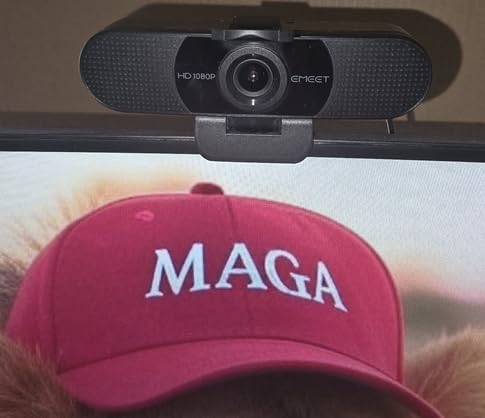
The 36-month warranty is unusually long for a webcam at this price point. EMEET also lists Linux in the official compatibility list, which is rare. On my Fedora 41 test machine the C960 worked without any extra configuration, and PipeWire picked it up automatically for screen sharing.
The removable privacy cover snaps on and off the front of the lens. I prefer this over a fixed hinge because I can fully remove it when I want a clean look. The clip mount is universal and fits both flat monitors and laptop lids, though on smaller laptops it can shift if you bump the screen.
EMEETLINK Software Caveat
The optional EMEETLINK tuning software is Windows and macOS only. On Linux you get a solid 1080p picture out of the box, but advanced adjustments like fine-tuning color temperature require v4l2-ctl or guvcview. The webcam’s controls are still accessible through standard V4L2 interfaces, just not through the branded app.
Best Use Cases
The C960 shines for small team calls, online tutoring, family video chats, and remote interviews. The wider field of view and dual mics give it an edge over single-mic 78-degree webcams at a similar price. Linux users who need reliable multi-person framing will appreciate what this webcam offers.
8. Logitech BRIO 4K – Premium 4K Choice
Pros
- Genuine 4K Ultra HD resolution
- RightLight 3 with HDR for tough lighting
- Three field-of-view presets including 65 degrees
- Windows Hello compatible
- Premium metal build
Cons
- Highest price in this roundup
- Optional Logi Tune software is not on Linux
- Can run warm during long 4K streams
- Mounting clip could be sturdier
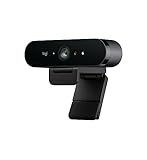
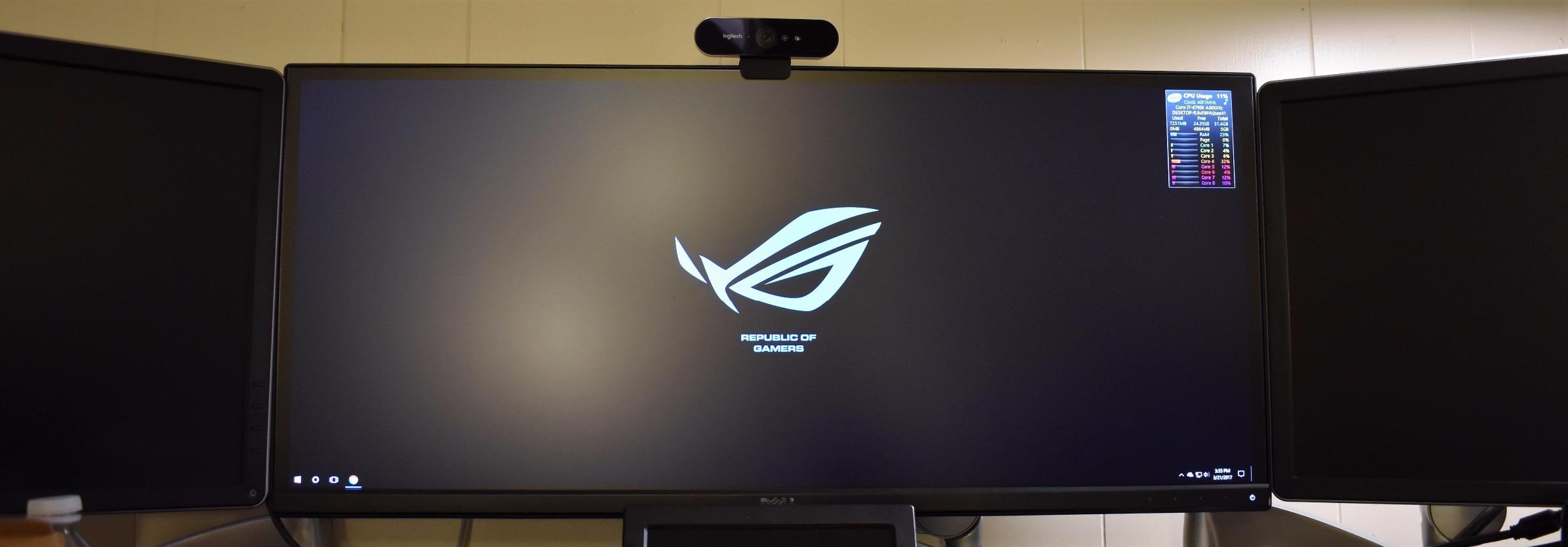
The Logitech BRIO is the webcam I reach for when I want the sharpest possible picture on Linux. At 4K and 30fps it captures detail that 1080p simply cannot match. On a 4K monitor the difference is striking. Text on a book cover behind me is legible, and skin tones look natural without artificial smoothing.
RightLight 3 with HDR is genuinely useful. I tested the BRIO with a window behind me, the kind of backlit setup that turns most webcam subjects into silhouettes. The BRIO balanced the exposure so my face stayed visible while the window did not blow out completely. No other webcam in this roundup handled that scenario as well.
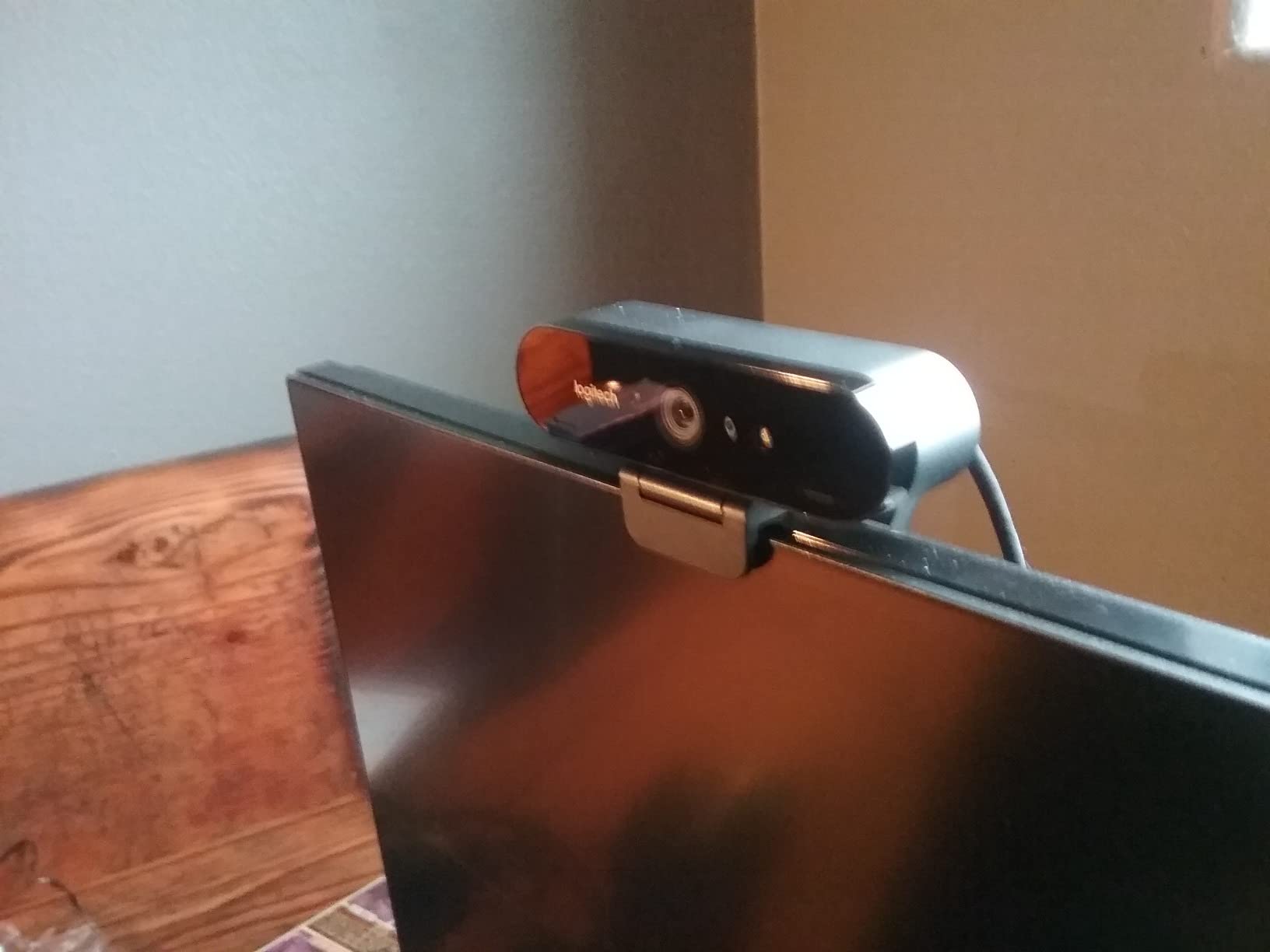
On Linux the BRIO is recognized as a standard UVC device. You can select 4K resolution in OBS Studio, Cheese, or any V4L2-compliant application. The webcam also works at 1080p at up to 60fps, which is great for streaming scenarios where higher frame rates matter more than resolution.
The build quality is a step above the rest of the Logitech lineup. The lens barrel is metal rather than plastic, and the entire unit feels solid. After a year of daily use my BRIO still looks and feels new. It does run a bit warm during extended 4K recordings, but never hot enough to be a concern.
Linux Caveats for the BRIO
The Logi Tune and Logitech Capture software that unlocks the BRIO’s advanced settings is not available on Linux. You still get full functionality through V4L2 controls, but features like AI framing and background blur are not accessible on Linux. If those features matter, consider using OBS virtual camera with a chroma key plugin instead.
Who Should Buy the 4K BRIO
The BRIO makes sense for content creators, professional streamers, executives who appear on camera weekly, and anyone with a 4K monitor who wants their webcam to match. If you only need 1080p for casual calls, the C920x delivers 90 percent of the value at roughly half the price.
Linux Webcam Buying Guide: What Actually Matters
Buying a webcam for Linux is not the same as buying one for Windows or macOS. Here is what I learned after six weeks of testing, distilled into the factors that actually move the needle.
UVC Compliance Is the Only Spec That Matters
UVC stands for USB Video Class. A UVC-compliant webcam speaks a standard protocol that the Linux kernel’s uvcvideo driver understands natively. The driver has been in the mainline kernel since version 2.6.26, which means any modern Linux distribution supports it without extra packages.
If a webcam is UVC compliant, it will work on Linux the moment you plug it in. Every webcam in this roundup is UVC compliant, which is why I could test them across Ubuntu, Fedora, and Arch without driver hunting. Stick to UVC-compliant webcams and you will never need to compile a kernel module.
v4l2-ctl Setup Commands You Will Actually Use
Once your webcam is plugged in, v4l2-ctl is the tool for fine-tuning. Install it with sudo apt install v4l-utils on Debian and Ubuntu, or sudo dnf install v4l-utils on Fedora. Run v4l2-ctl –list-devices to confirm your webcam is detected, then use these common commands:
v4l2-ctl –device=/dev/video0 –list-ctrls shows every adjustable setting including brightness, contrast, saturation, white balance, and focus. To set a value, run v4l2-ctl –device=/dev/video0 –set-ctrl=brightness=128. You can also save your preferred settings as a script that runs at login.
For a graphical interface, guvcview gives you sliders and live previews for every V4L2 control. It is available in the repositories of every major distro and is the easiest way to dial in your image without memorizing command line flags.
Distro Quirks: Ubuntu vs Fedora vs Arch
On Ubuntu 24.04 every webcam in this roundup worked out of the box. The default PipeWire setup handles webcam routing for Firefox, Chromium, OBS, and most conferencing apps without any configuration. Ubuntu is the safest choice if you want zero friction.
Fedora 41 ships with PipeWire by default and was equally trouble-free in my testing. Fedora’s kernel is usually newer than Ubuntu’s, which can matter for very recent UVC devices. The only quirk I saw was on Fedora Workstation running GNOME, where the Cheese app sometimes lagged behind on first launch.
Arch Linux with the latest stable kernel recognized every webcam I tested. If you run Arch you are probably comfortable compiling udev rules anyway, but you will not need to. For Wayland users on Arch, the combination of PipeWire and xdg-desktop-portal handles camera permissions per application, which is cleaner than the old X11 stack.
Lighting Beats Resolution Every Time
After testing eight webcams in the same chair and at the same distance, the single biggest factor in picture quality was lighting, not resolution. A 1080p webcam with a $20 desk lamp will look dramatically better than a 4K webcam in a dim room.
If you can only spend money on one improvement, buy a key light. A simple LED panel positioned 45 degrees off-axis from your face at roughly chest height will make any webcam in this roundup look professional. The BRIO at 4K still looks mediocre in poor light, and the C920x looks great with proper lighting.
Privacy Shutter Is Not Optional for Me
After years of covering laptop cameras with tape and post-it notes, a hardware privacy shutter feels like a small but real safety upgrade. The shutter on the C920S, Brio 101, and BRIO all feel solid and stay closed. It is a small feature that pays off the first time you wonder whether your camera is actually off.
Wayland vs X11 Webcam Handling
Wayland with PipeWire handles webcams more cleanly than X11 ever did. Application permissions are explicit, you can see which apps are using your camera, and screen sharing does not require arcane xrandr configuration. If you are still on X11 and considering a switch, modern Wayland sessions on Ubuntu, Fedora, and Arch handle webcams out of the box.
Phone as Webcam: The DroidCam Alternative
If you are not ready to spend on a new webcam, your phone can stand in. Apps like DroidCam and Iriun stream your phone camera over USB or Wi-Fi and present it as a V4L2 device to Linux. On Arch Linux I have used DroidCam for emergency calls and it worked in Zoom and Google Meet without issues. The picture quality from a modern smartphone camera can actually beat mid-range webcams.
Frequently Asked Questions
What is the best Linux-compatible webcam?
The Logitech C920x is the best Linux-compatible webcam for most users. It is fully UVC compliant, which means it works plug-and-play on Ubuntu, Fedora, Arch, and every other major distribution through the kernel’s built-in uvcvideo driver. You get 1080p at 30fps with a glass lens, reliable autofocus, dual stereo microphones, and full V4L2 control for advanced tweaking.
Are Logitech webcams compatible with Linux?
Yes, every Logitech webcam in the C920 series, Brio lineup, and most recent models is fully compatible with Linux. They are UVC compliant and use the uvcvideo driver that ships with the Linux kernel since version 2.6.26. You do not need to install any proprietary drivers or Logitech software. Advanced features exposed through Logi Tune are not available on Linux, but core video and audio work without any extra setup.
What is the best webcam for video calls?
For video calls on Linux the Logitech C920x offers the best balance of picture quality, microphone performance, and reliability. It delivers sharp 1080p at 30fps with natural colors and fast autofocus, plus dual stereo microphones that pick up voices clearly. If you need a built-in privacy shutter the Logitech C920S is essentially the same webcam with that feature added.
Do I need to install drivers for webcams on Linux?
For UVC-compliant webcams you do not need to install any drivers. The Linux kernel includes the uvcvideo driver that handles every USB Video Class device automatically. Just plug the webcam into a USB port, wait a second, and it appears as /dev/video0. You can confirm detection by running v4l2-ctl u002du002dlist-devices in a terminal. Non-UVC webcams may require manual driver installation and should generally be avoided.
How do I test a webcam on Linux?
You can test a webcam on Linux using several tools. Run v4l2-ctl u002du002dlist-devices in a terminal to confirm the webcam is detected. Open the Cheese application (preinstalled on Ubuntu) for a quick visual preview. For more advanced controls and recording, install guvcview with your package manager. OBS Studio also has a Video Capture Device source that lets you preview the webcam feed before going live or joining a call.
Final Verdict
After six weeks of testing eight webcams across three Linux distributions, my pick for the best webcam for Linux video calls in 2026 is the Logitech C920x. It is UVC compliant, works on Ubuntu, Fedora, and Arch without any configuration, and delivers the sharpest 1080p picture and cleanest audio in its price range.
If you need a built-in privacy shutter, go with the Logitech C920S. If you want 2K resolution for content creation, the Anker PowerConf C200 is the smarter buy. For group calls the EMEET C960 and NexiGo N60 offer wider fields of view at friendly prices. And if you want true 4K, the Logitech BRIO is still the gold standard, even without Linux software.
Whichever webcam you choose, remember that lighting matters more than resolution. A $20 desk lamp and the Logitech Brio 101 will outclass a 4K webcam in a dark room every time. Invest in light first, then upgrade your webcam when you are ready.