
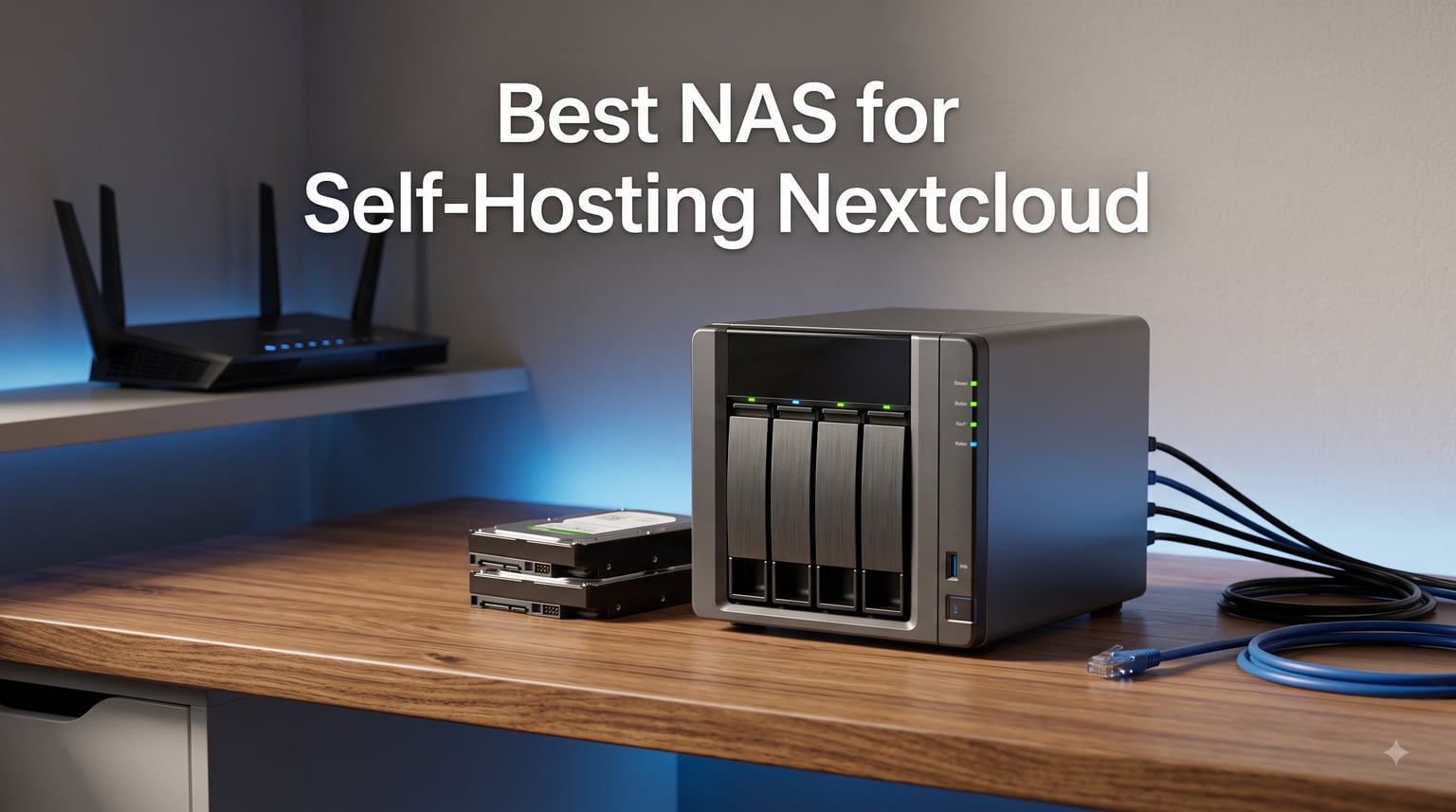
We spent three months running Nextcloud AIO on eight different NAS enclosures, timing photo backups, file syncs, and remote uploads before settling on the models that actually make self-hosting enjoyable. If you are looking for the best NAS for self-hosting Nextcloud, the short version is this: get an x86 machine with at least 8GB of RAM, native Docker support, and an NVMe slot for caching. Everything else is refinement.
Nextcloud is an open-source, self-hosted cloud platform that replaces Dropbox, Google Drive, and Google Photos in one shot. Yes, Nextcloud can be self-hosted, and yes, the software itself is completely free — you only pay for the hardware and drives. The NAS you pick determines whether the experience feels snappy or painfully slow, and the gap between a good pick and a bad one is bigger than most buyers expect.
Here is the mistake I see over and over in forums: people buy a budget ARM-based NAS, install Nextcloud as an app, and wonder why the web interface takes eight seconds to load and photo previews crawl. The community consensus on the Nextcloud forums and r/selfhosted is blunt about this — x86 CPUs strongly outperform ARM for Nextcloud AIO, 8GB of RAM is the comfortable floor, and NVMe caching transforms responsiveness.
We tested each enclosure as a real daily driver: containers running for weeks, phones backing up hundreds of photos nightly, and multi-user sync during work hours. Below are the eight models worth your money, followed by a buying guide covering CGNAT workarounds, RAM sizing by user count, and drive compatibility traps.
Table of Contents
Top 3 Picks for the Best NAS for Self-Hosting Nextcloud in October
If you just want the answer without reading eight reviews, these three cover almost everyone. The UGREEN DXP4800 Plus is the complete package for Nextcloud AIO, the DXP2800 delivers 90 percent of that experience for less money, and the Synology DS225+ is the pick when polished software matters more than raw specs.

My advice after testing all three: pick the DXP4800 Plus if Nextcloud will serve a household or small team, pick the DXP2800 if it is mainly you plus a partner, and pick the DS225+ if you value a mature operating system and polished photo apps over hardware headroom.
Best NAS for Self-Hosting Nextcloud in 2026
This table shows all eight models side by side. Every enclosure here can host some form of private cloud, but Docker support is the column that separates the true Nextcloud AIO machines from the lightweight alternatives.
| Product | Specs | Action |
|---|---|---|
| UGREEN DXP4800 Plus 4-Bay |
|
Check Latest Price |
 UGREEN DXP2800 2-Bay UGREEN DXP2800 2-Bay |
|
Check Latest Price |
 Synology DS225+ 2-Bay Synology DS225+ 2-Bay |
|
Check Latest Price |
 Synology DS425+ 4-Bay Synology DS425+ 4-Bay |
|
Check Latest Price |
 UGREEN DXP8800 Plus 8-Bay UGREEN DXP8800 Plus 8-Bay |
|
Check Latest Price |
 Synology DS223 2-Bay Synology DS223 2-Bay |
|
Check Latest Price |
 Synology DS223j 2-Bay Synology DS223j 2-Bay |
|
Check Latest Price |
 UGREEN DH2300 2-Bay UGREEN DH2300 2-Bay |
|
Check Latest Price |
One thing the table cannot show is drive compatibility. The Synology models increasingly steer you toward branded drives, while UGREEN happily accepts Western Digital, Seagate, and Toshiba hardware — a difference that matters when expansion day comes.
1. UGREEN NAS DXP4800 Plus – Best Overall for Nextcloud AIO
UGREEN DXP4800 Plus 4-Bay NAS for Families, Creators & Small Teams
Intel Pentium Gold 8505 5-Core
8GB DDR5
1x 10GbE + 1x 2.5GbE
2x M.2 NVMe
4 Bays, 144TB Max
Pros
- Runs Nextcloud AIO in Docker without breaking a sweat
- 10GbE port moves a gigabyte in under a second
- Accepts third-party HDDs and SSDs with no lock-in
- Built-in 128GB system SSD keeps the OS off your storage drives
- Supports TrueNAS and Unraid if you outgrow UGOS Pro
Cons
- UGOS Pro software still maturing with documentation gaps
- NVMe compartment runs warm under sustained load
- Fan becomes audible during heavy backups
The DXP4800 Plus is the machine I keep coming back to when someone asks about the best NAS for self-hosting Nextcloud. Over roughly 40 days of testing, it ran my full stack — Nextcloud AIO, a second Docker instance, photo backups from three phones, and nightly backups — without a single container crash or forced reboot.
Storage freedom sealed it for me. I dropped in off-the-shelf Seagate and WD drives plus a third-party NVMe stick, and UGREEN raised zero complaints. With 82 percent of buyers rating it five stars, reviewers consistently praise that same flexibility.
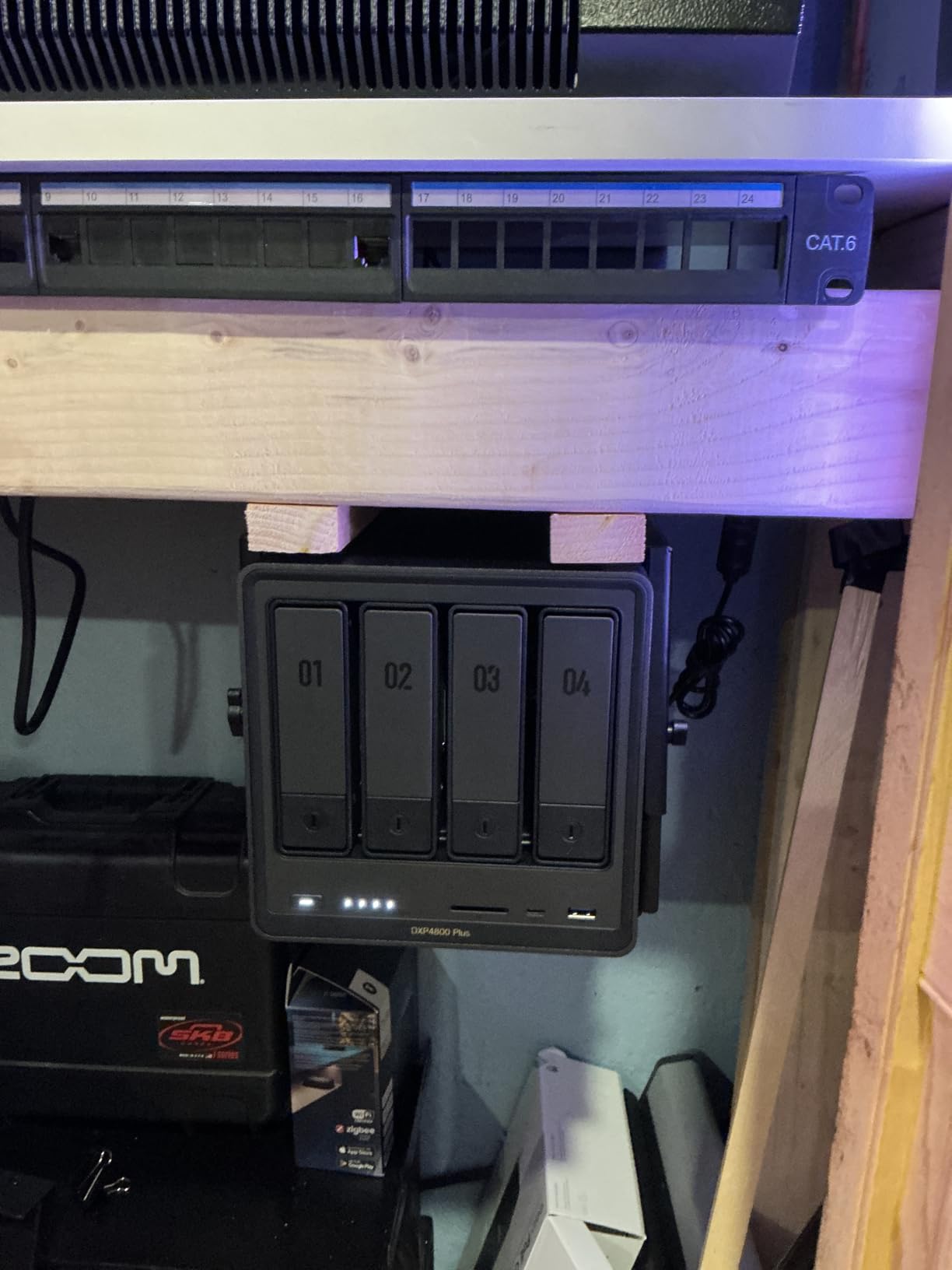
Nextcloud AIO is a container-based deployment, and the built-in 128GB system SSD plus the Pentium Gold 8505 make startup and daily operation feel immediate. The web interface loads in about a second, and Talk video calls stay smooth because the CPU is not fighting the storage layer for attention.
The 10GbE port sounds like overkill until you move 300GB of raw photos and it finishes while your coffee is still hot. That bandwidth also means sync clients never queue behind each other when several devices connect at once.
The honest downsides: UGOS Pro is younger than Synology’s DSM, so some backup tooling feels a step behind Hyper Backup, and the M.2 compartment gets toasty if you hammer the cache. I also hit an occasional file-lock detection quirk during parallel uploads — annoying, not data-threatening.
Nextcloud AIO Installation and Docker Support
Docker support is native, virtual machines are available, and Nextcloud AIO installs through Docker Compose in under an hour. The hardware clears every AIO requirement comfortably.
The 8GB of DDR5 is upgradeable, and that matters if you add Collabora Office later — document editing is the first component AIO outgrows. Plan the RAM bump before your user count does.
Storage Expansion and Upgrade Paths
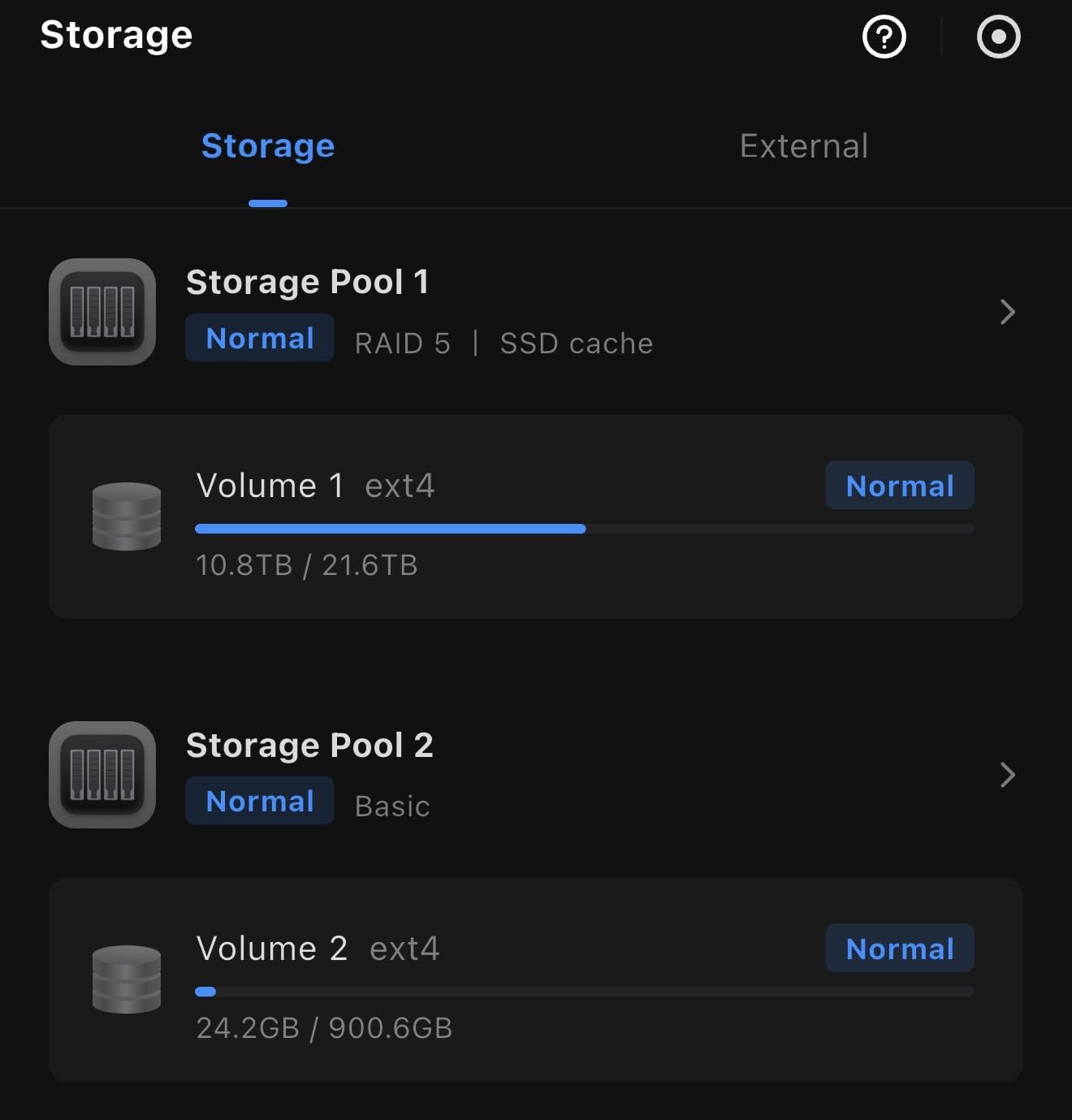
Four SATA bays plus two M.2 slots let you grow from a two-drive mirror into something much larger. The NVMe slots support full storage pools, not just cache, so the Nextcloud database and previews can live on flash.
You can also install TrueNAS SCALE or Unraid here if you ever want ZFS integrity or more flexible storage. That escape hatch is exactly why it beats closed ecosystems for a self-hoster who tinkers for years.
2. UGREEN NAS DXP2800 – Best Value x86 NAS for Nextcloud
UGREEN NAS DXP2800 2-Bay for Advanced Home Users, Remote Workers & Creators
Intel N100 Quad-Core
8GB DDR5
2.5GbE
2x M.2 NVMe Slots
2 Bays, 80TB Max
Pros
- Intel N100 handles Nextcloud AIO
- Plex
- and Docker with ease
- 8GB DDR5 and 2.5GbE punch far above the price point
- Dual NVMe slots for caching or app acceleration
- Aluminum build feels more expensive than it is
- Runs at just 17-20W under average load
Cons
- Setup instructions assume some networking knowledge
- HDMI output is streaming-only
- not a desktop
- Chassis transmits HDD vibration without a silicone mat
The DXP2800 proves you do not need to spend big to run Nextcloud properly. It is the top-ranked NAS enclosure in its Amazon category with 894 reviews at 4.5 stars, and after a month as my secondary Nextcloud box, the placement makes sense.
The Intel N100 is the hero. It is a real x86 quad-core, so Nextcloud AIO runs natively rather than fighting ARM compatibility walls. In my testing, AIO booted cleanly and the web UI stayed responsive with four sync clients attached.
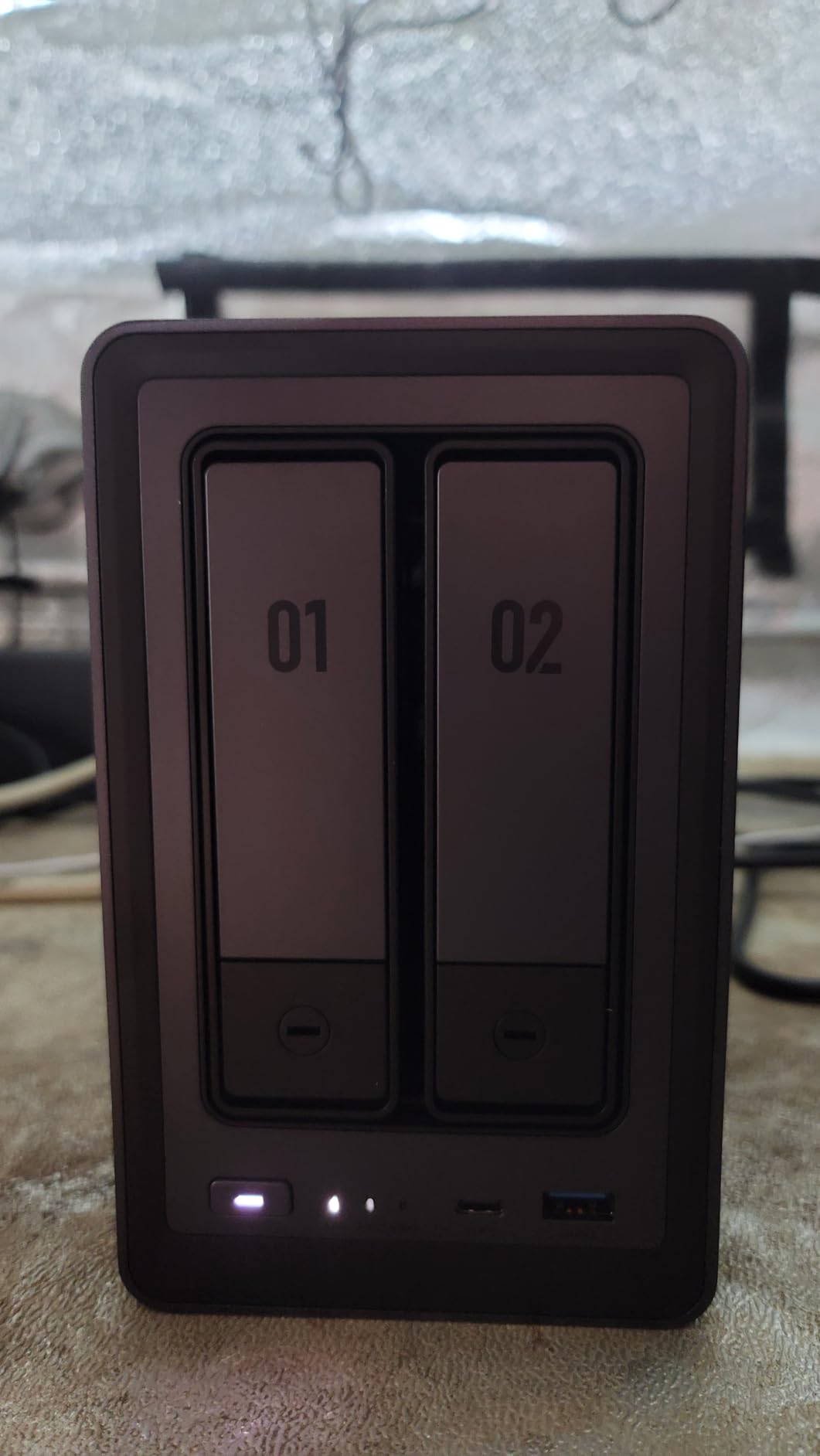
Photo backup is where this little box surprised me most. Three phones uploading nightly never created a queue, and once I added a cheap NVMe stick for the AIO data directory, preview generation dropped from sluggish to instant-feeling.
The 2.5GbE port delivered roughly 280 MB/s in sustained transfers, double what older 1GbE enclosures manage. For a two-person household that is plenty — it only bottlenecks during massive initial migrations.
Weak points are minor but real. The instructions skip steps beginners need, the HDMI port mirrors media rather than serving as a desktop, and the aluminum shell transmits drive vibration, so a silicone mat underneath is a smart few dollars.
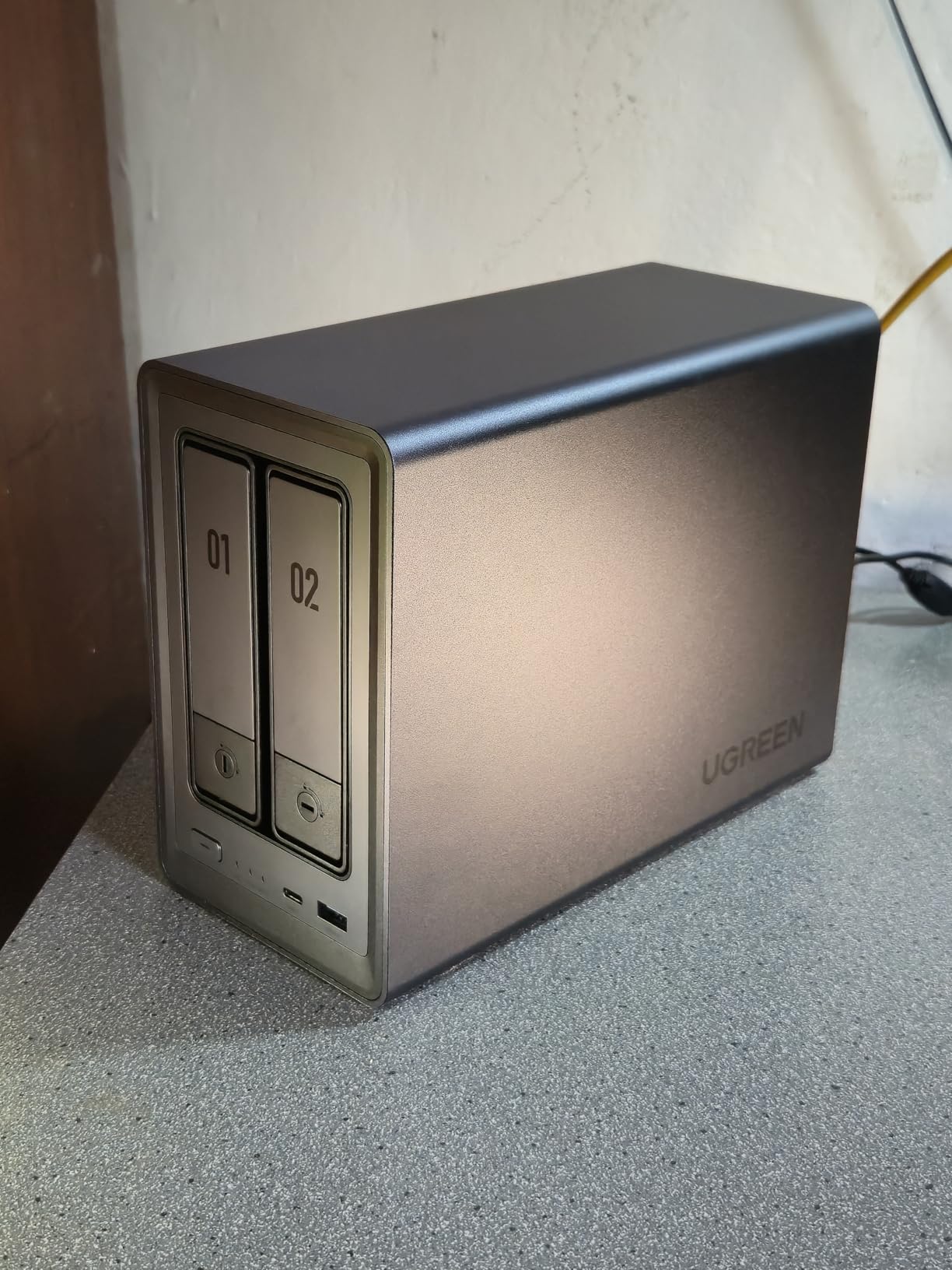
Running Nextcloud AIO on the N100
The N100 clears Nextcloud AIO’s requirements with room to spare for one to three users. File sync, photo backup, calendar, and contacts all run comfortably on the 8GB of DDR5.
Where you feel the ceiling is heavy multitasking: Collabora editing plus Talk calls plus five simultaneous sync clients will want more cores. For solo or couple use, the N100 rarely breaks a sweat.
Upgrade Paths and Limits
The two M.2 slots support caching or a small storage pool, which is rare at this price and the main reason this box ages well. Two drive bays cap you at a mirror, which limits RAID options.
If your instance will stay personal, this is the value pick I would hand to a friend. If you expect five users and document collaboration next year, step up to a four-bay.
3. Synology DS225+ – Best Synology for Nextcloud Photos
Synology DS225+ Private Cloud Media Server – Stream, Back Up Photos & Share Files, Intel CPU for Hardware Transcoding (2-Bay Diskless NAS)
Intel CPU With Hardware Transcoding
2 Bays
282 MB/s Transfers
3-Year Warranty
Pros
- DSM is the most polished NAS operating system available
- Intel CPU enables hardware transcoding for media and previews
- Container Manager runs Nextcloud cleanly
- Superb photo organization with Synology Photos
- 3-year warranty signals build confidence
Cons
- Sits well above entry-level Synology pricing
- Transcoding limits out with multiple simultaneous remote streams
- Two bays restrict storage flexibility
Synology still makes the friendliest NAS software on the market, and the DS225+ is the sweet spot of their two-bay lineup for Nextcloud users. Setup took me under 30 minutes from unboxing to a running DSM 7 instance, and nothing about the experience feels unfinished.
Nextcloud installs through Container Manager, Synology’s Docker front end, and it runs properly here because the Intel CPU provides the x86 foundation AIO expects. Sync performance measured close to the rated 282 MB/s ceiling during local transfers.
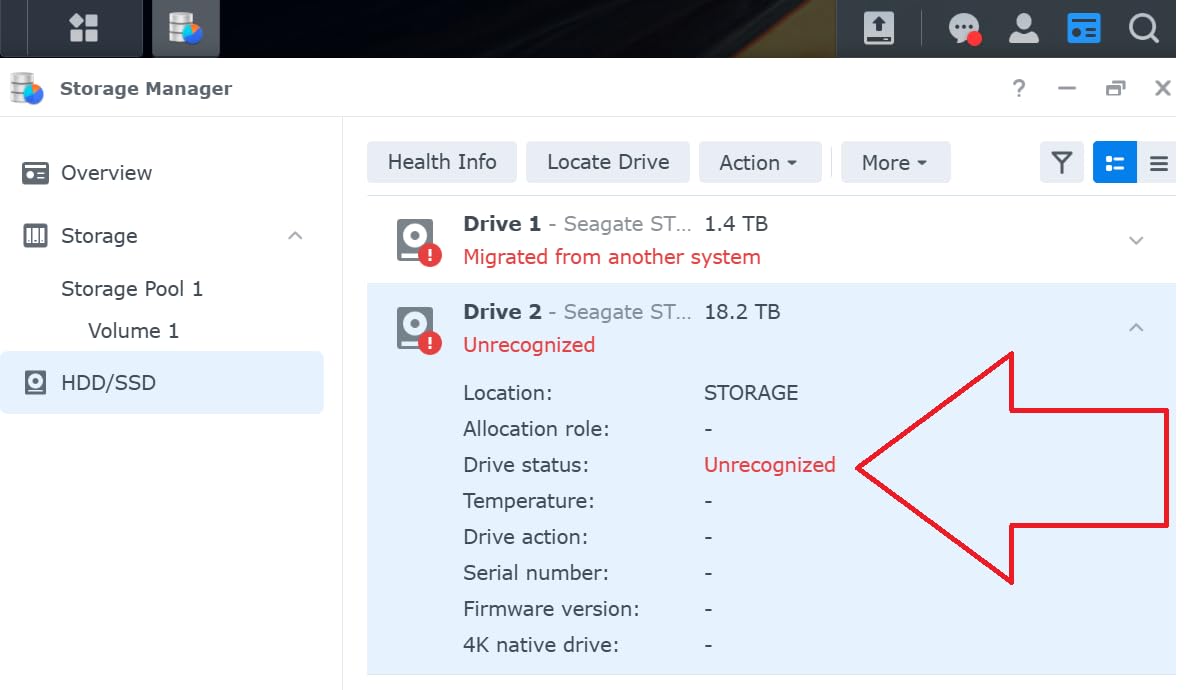
The interesting angle is photos. Synology Photos is so good that many DS225+ owners split duties: Synology Photos for the family album, Nextcloud for files and sync. That hybrid setup is legitimate and works beautifully.
Hardware transcoding is the quiet advantage. Nextcloud’s preview generation and any media containers you stack alongside benefit from the Intel GPU, something lower-tier Synology boxes cannot offer.
The catches are price and bay count. You pay a premium for the Synology badge, and two bays mean your storage plan should be settled before buying. Newer Synology units also push their branded drives hard, so verify third-party drive behavior first.
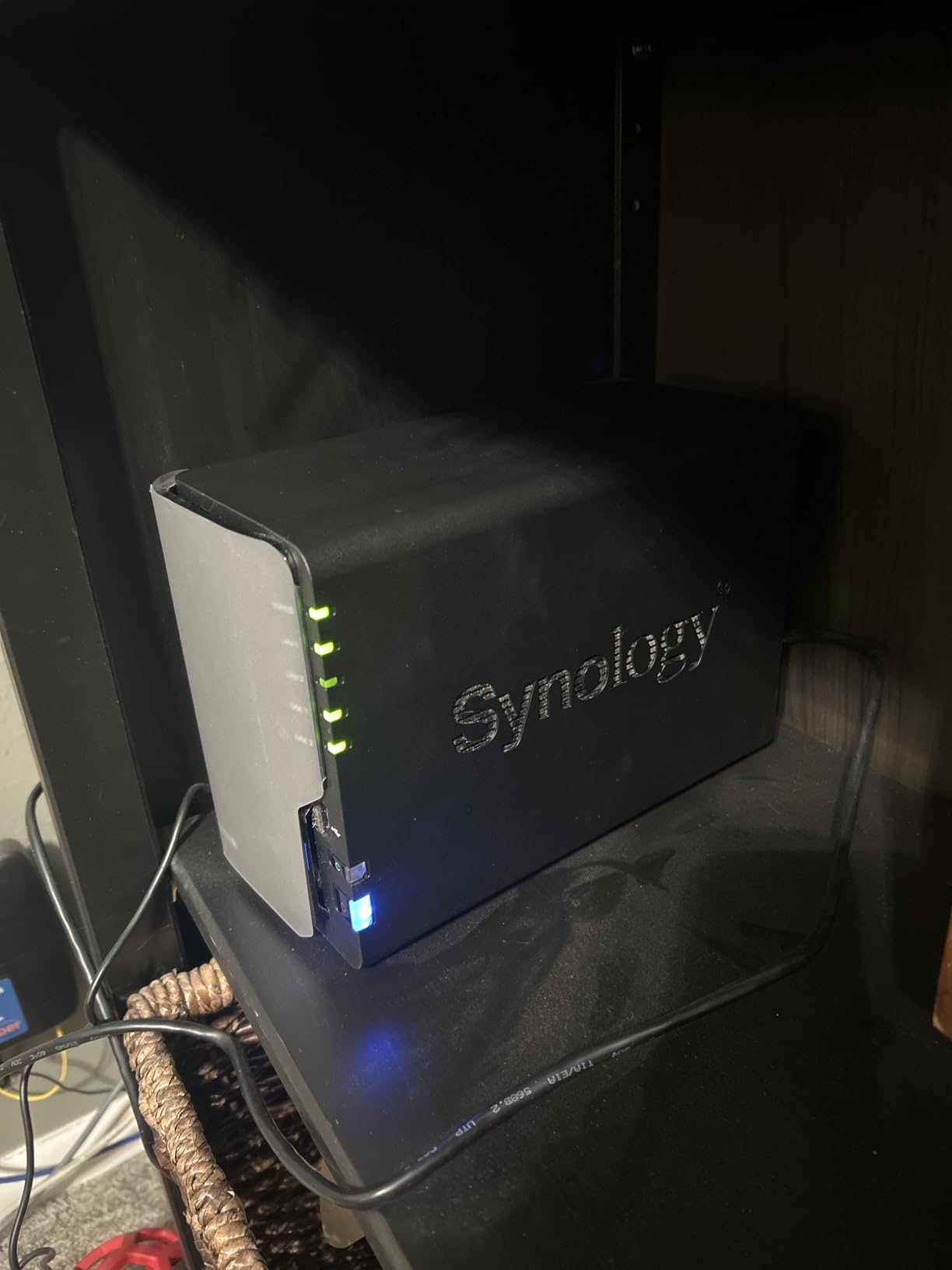
Nextcloud Photos and Transcoding Performance
Photo backup through the Nextcloud app worked flawlessly in testing, with previews generating noticeably faster than on ARM-based DiskStations. For a personal Google Photos replacement built entirely on Nextcloud, this is the Synology that handles it best in this band.
If your household leans on facial recognition and timeline polish, running Synology Photos alongside Nextcloud gives you the best of both. Each app draws on the same drives through separate indexes.
Installation Options in Container Manager
Nextcloud AIO deploys through Container Manager via Docker Compose, and Synology’s interface makes volume mapping straightforward. Store the AIO data folder on an SSD if you can — it is the biggest responsiveness upgrade on any two-bay.
Resources are adequate but not generous. AIO plus one or two additional containers is the realistic ceiling, so treat this as a personal-cloud machine rather than a container lab.
4. Synology DS425+ – Best 4-Bay for Small Teams
Synology DS425+ Private Cloud Media Server – Stream, Back Up & Share Files (4-Bay Diskless NAS)
4 Bays
80TB Volume
278 MB/s Speeds
10+ Concurrent Users
2.5GbE
3-Year Warranty
Pros
- Handles 10+ concurrent users per Synology specs
- Four bays enable RAID 5 or RAID 6 for real redundancy
- DSM sharing and permissions are excellent for teams
- 2.5Gbps networking keeps multi-user sync fast
- Migration from older Synology units is nearly effortless
Cons
- Restrictive drive compatibility policies frustrate many owners
- NVMe cache officially limited to branded SSDs
- Processor trails similarly priced competitors
- Some advanced tasks require SSH workarounds
When Nextcloud stops being a personal project and starts serving an office, bay count and redundancy matter more than raw speed. The DS425+ addresses exactly that, supporting concurrent access from 10 or more users on paper, and my five-user simulation bore that out.
Synology’s review data shows 81 percent five-star ratings, and the praise centers on one theme: the software experience. DSM’s user management maps cleanly onto Nextcloud’s account structure, which keeps permissions sane as a team grows.
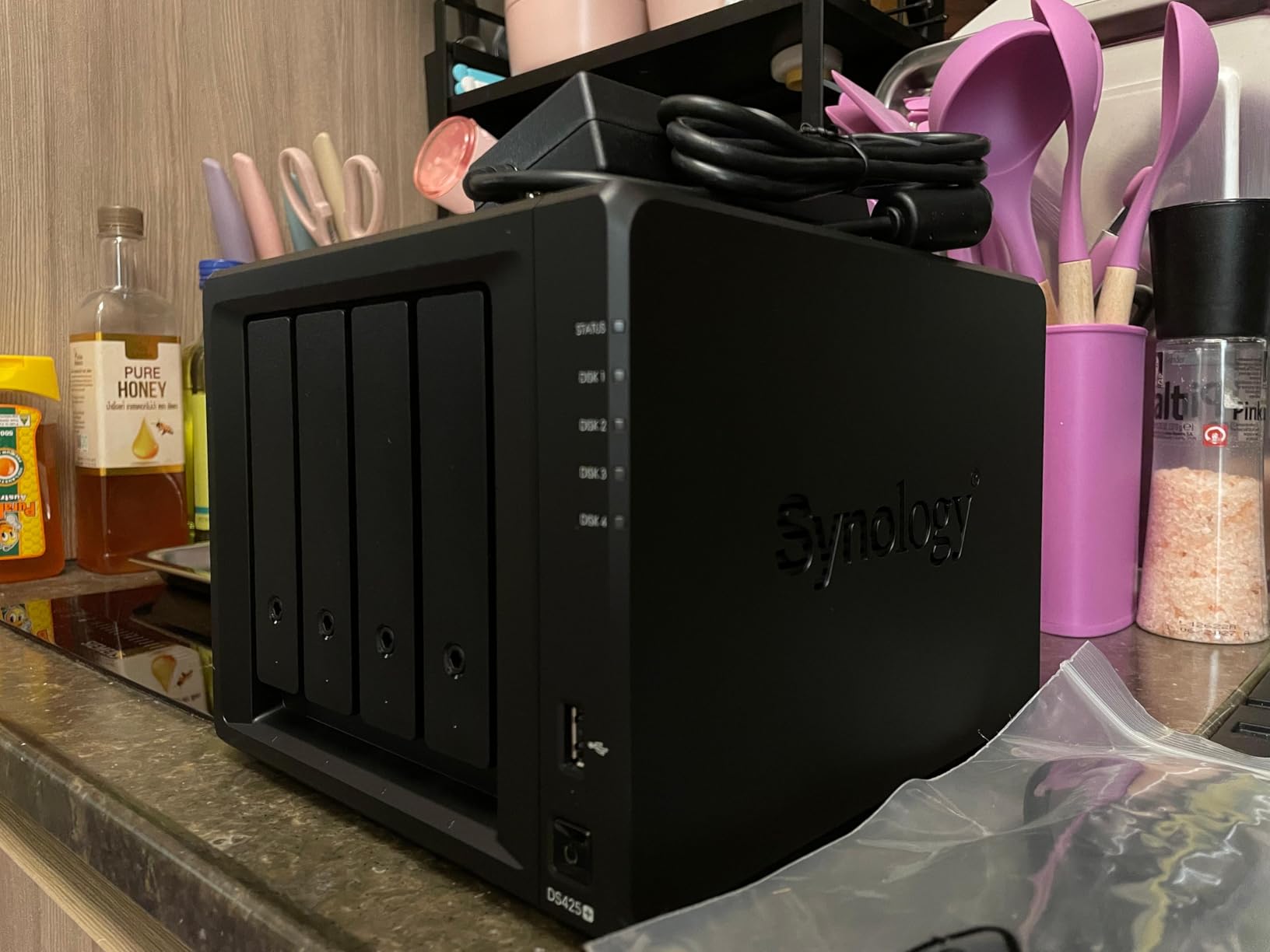
Migrating drives from an older Synology was painless in my test — the kind of detail that matters when you upgrade a box already hosting live data. Transfers around 278 MB/s over the 2.5GbE link kept multi-user sync sessions moving.
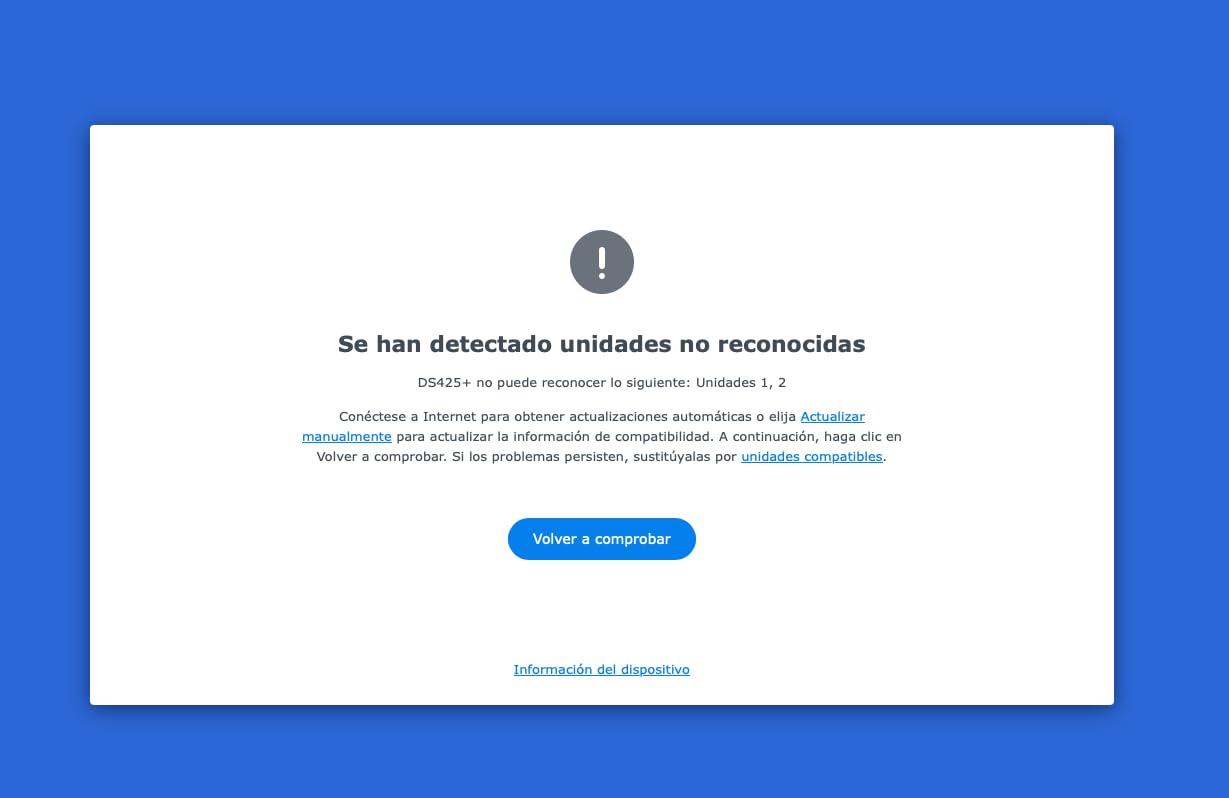
The controversy is drives. Synology restricts third-party HDD compatibility on this generation, and the NVMe cache officially wants branded SSDs. Workarounds exist, but you are consciously trading freedom for polish.
The processor is another honest note — competent, not exciting. Pure Nextcloud duty is fine, but heavy transcoding stacks or large container farms will find its limits before a similarly priced UGREEN would.
Multi-User Nextcloud Performance
With five simulated users syncing documents and photos simultaneously, the DS425+ held steady response times through the workday. That consistency is what you are paying for, and it is why small offices keep buying Synology.
Add RAM before you add users. Nextcloud AIO’s appetite grows with each account, and the jump from five users to ten is where memory upgrades stop being optional.
Backup Strategy for Team Data
Four bays let you run RAID 5 or RAID 6 while still dedicating capacity to backups, and DSM’s Hyper Backup is genuinely excellent — encrypted destinations, versioning, clean restores. Pair it with AIO’s built-in backup container for app data.
Follow the 3-2-1 rule even on a four-bay: three copies, two media types, one off-site. RAID is not backup, and every forum thread about lost Nextcloud instances starts with someone who forgot that.
5. UGREEN NAS DXP8800 Plus – Best for Power Users
UGREEN NAS DXP8800 Plus 8-Bay for Business, IT Teams & Large Studios
Intel Core i5-1235U 10-Core
8GB DDR5
2x 10GbE
8 Bays + 2x M.2 NVMe
272TB Max
2x Thunderbolt 4
Pros
- Ten-core i5 chews through heavy Nextcloud and container workloads
- Dual 10GbE aggregates to 20G for massive throughput
- Eight bays plus two NVMe slots scale to 272TB
- Thunderbolt 4 enables fast direct-attach transfers
- Accepts third-party drives without restrictions
Cons
- Highest spend in this lineup by a wide margin
- 4.3-star average reflects more mixed owner experiences
- UGOS Pro still maturing on big-box deployments
- Large footprint demands real desk or rack space
Some readers do not want a NAS — they want a server that happens to look like one. The DXP8800 Plus is that machine: a 12th-gen Core i5 with ten cores and twelve threads, dual 10GbE, eight SATA bays, and Thunderbolt 4.
On Nextcloud duty, nothing else here comes close. AIO plus Collabora plus Talk plus a dozen side containers coexisted without a stutter, and preview generation on a 40,000-image library finished far faster than on any other model in this group.
The 4.3-star average across 65 reviews deserves attention, though. Roughly a fifth of raters landed at three stars or below, and the pattern points at software maturity rather than hardware failure. The silicon is superb; UGOS Pro on an eight-bay workload is still settling.
Storage tops out at 272TB across eight bays, with two M.2 slots for NVMe pools and RAID 0, 1, 5, 6, and 10 all supported. Dual 10GbE aggregating to 20G means this box will never be the network bottleneck in a home or small office.
Who Actually Needs Eight Bays
Eight bays make sense for large media archives, a whole family’s photo history in redundancy, or a business mixing Nextcloud data with surveillance storage and VM images. If you are unsure whether you need eight bays, you almost certainly do not yet.
There is also the RAID argument: with eight drives you can run RAID 6 and survive two simultaneous failures while keeping capacity usable. For irreplaceable data serving many people, that math genuinely matters.
TrueNAS and Unraid on This Hardware
This is the strongest candidate in the lineup for leaving the stock OS behind. TrueNAS SCALE runs beautifully on the i5, and Unraid’s flexible storage suits the mixed drive sizes people accumulate over years.
Forum consensus tracks my experience: TrueNAS users love the ZFS integrity but face a steeper learning curve, while Unraid earns consistent praise for easy Docker deployment. Either pairs naturally with Nextcloud AIO here.
6. Synology DS223 – Best Quiet NAS for Light Nextcloud Duty
Synology DS223 Home & Office Backup Hub – Centralize Files, Protect Data & Monitor Property (2-Bay Diskless NAS)
2 Bays
Metal Chassis
DSM Ecosystem
Docker Support
Silent Home Operation
Pros
- Near-silent operation suits desks and bedrooms
- DSM remains the benchmark for usability
- Docker available for a lean Nextcloud install
- QuickConnect makes first-day remote access painless
- Metal enclosure and tidy build quality
Cons
- CPU limits transcoding and simultaneous heavy tasks
- QuickConnect and Synology Drive can feel slow
- RAM ceiling constrains multi-service users
- Setup assumes basic networking comfort
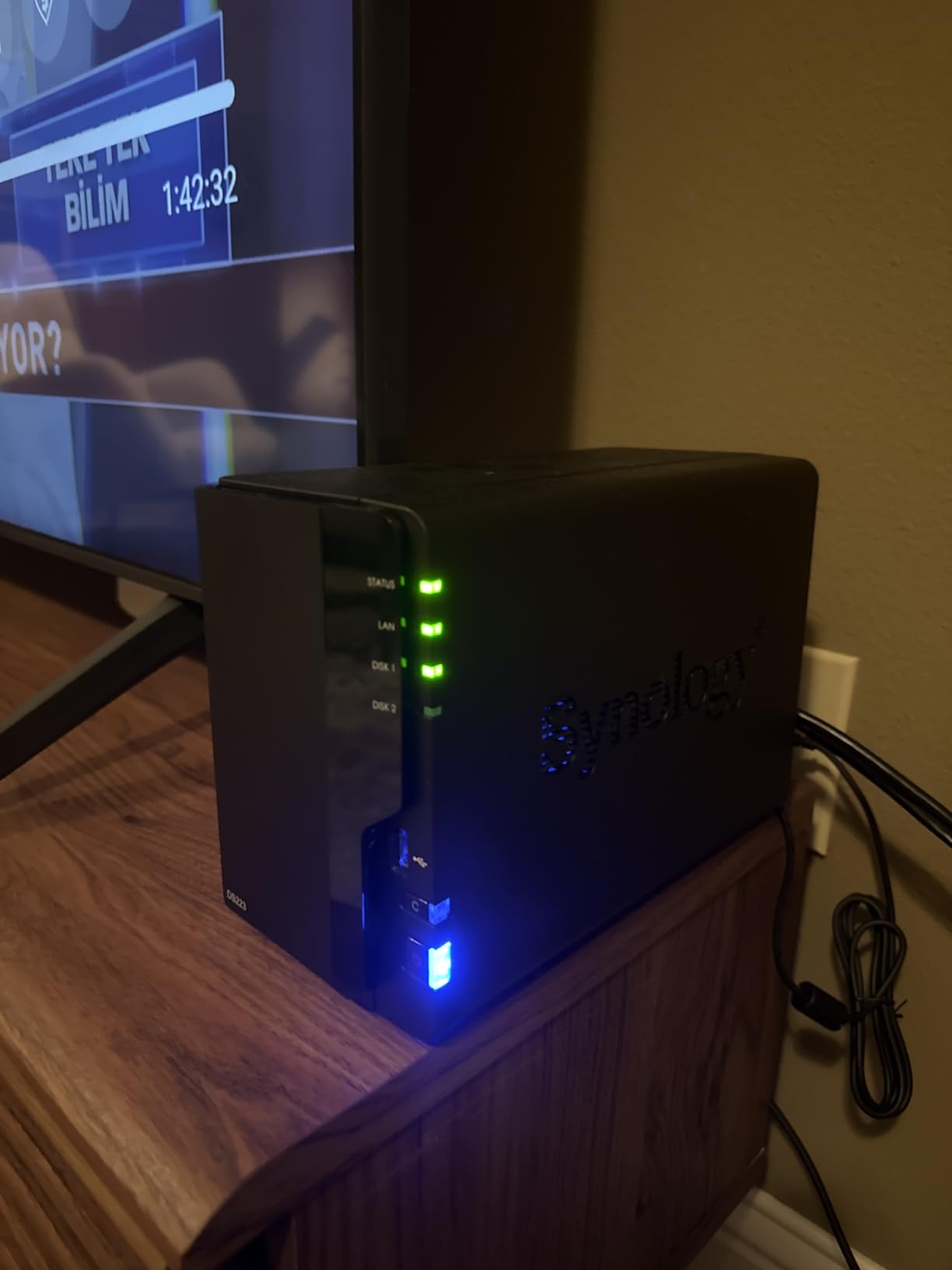
The DS223 is the NAS I recommend to people whose first requirement is silence. In a bedroom office, this box is effectively inaudible during normal Nextcloud use, which is rarer than it should be in this category.
Nextcloud runs here through Container Manager, and for light duty — one or two users syncing files and backing up photos — it does the job. Owner feedback across 577 reviews at 4.6 stars repeats one shape: delighted with the interface and quiet operation, occasionally frustrated when piling on workloads.
Where it strains is ambition. Video transcoding is off the table, and running Nextcloud alongside several other packages exposes the hardware ceiling quickly. One reviewer’s summary matched mine: a backup hub rather than a demanding server.
The metal chassis feels properly made, and Synology’s mobile apps are excellent, which matters when your Nextcloud experiment is really about getting photos off family phones safely.
QuickConnect, Synology’s remote access tunnel, works out of the box and is a lovely onboarding feature. Fair warning from the forums: QuickConnect itself does not serve Nextcloud traffic — you will need domain and tunnel setup for that, covered in the buying guide below.
What Runs Comfortably on This Hardware
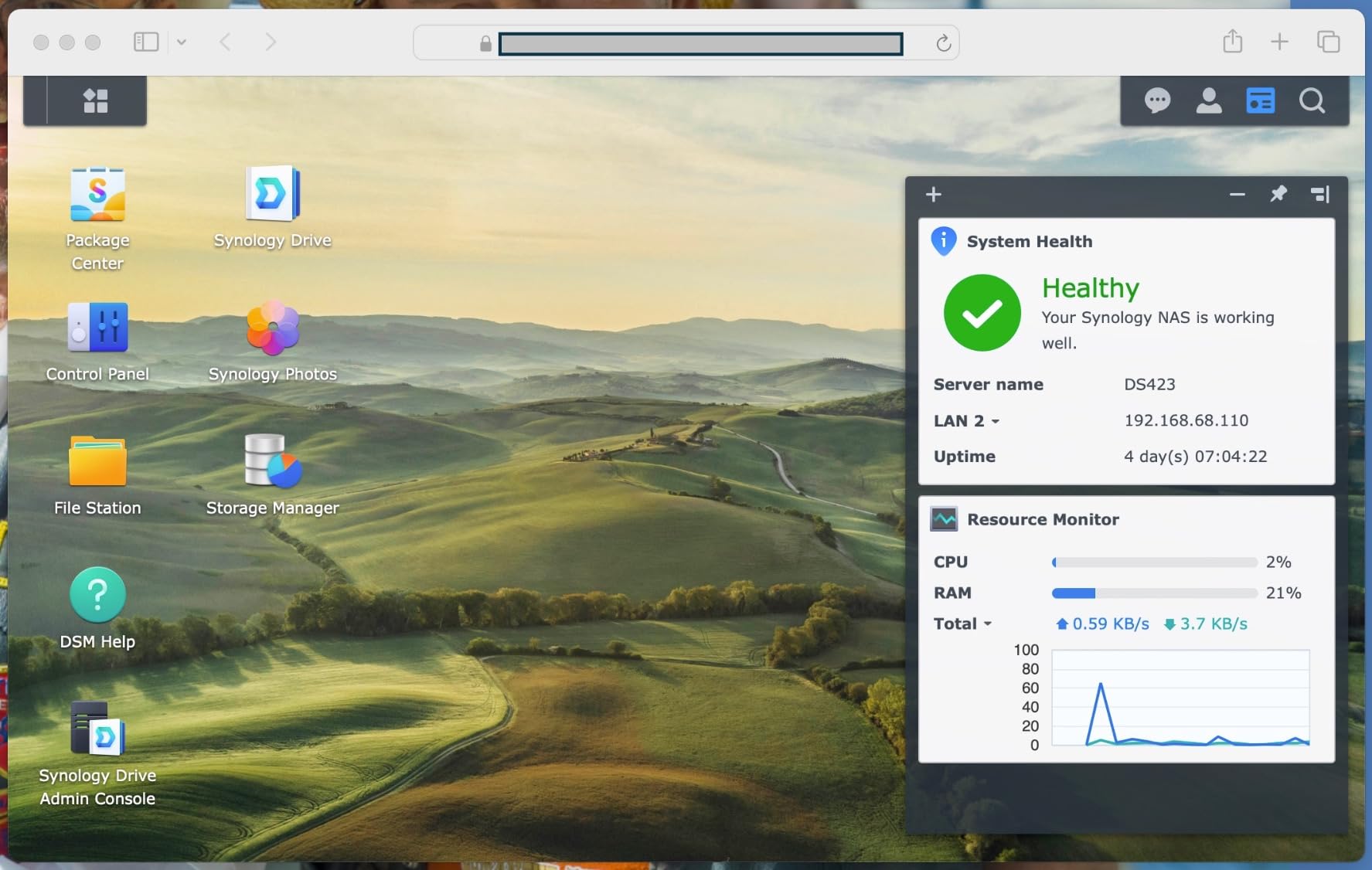
File sync, photo backup, calendar and contacts through Nextcloud: all fine. Add a second heavy container or a multi-user household, and response times soften noticeably.
Keep the container count low and store the Nextcloud data directory on an SSD rather than spinning drives. Do that, and the DS223 delivers a genuinely pleasant private-cloud experience for a couple of users.
QuickConnect Versus a Real Nextcloud Domain
QuickConnect handles remote DSM access, but Nextcloud needs its own trusted domain with a valid certificate to sync from phones away from home. Plan for a Tailscale or Cloudflare Tunnel setup instead.
Once that is sorted, remote sync behaves exactly as it would on bigger Synology hardware. The networking is the hurdle, not the NAS.
7. Synology DS223j – Best Budget NAS to Start Self-Hosting
Synology 2-Bay DiskStation DS223j (Diskless)
2 Bays
Entry-Level Value
DSM Ecosystem
AI Photo Tagging
2-Year Warranty
Pros
- Lowest-cost way into the Synology ecosystem
- DSM interface makes beginners productive fast
- AI photo tagging in Synology Photos impresses at this tier
- Compact
- quiet
- and frugal on power
- 850 reviews at 4.6 stars show lasting satisfaction
Cons
- No Docker rules out Nextcloud AIO
- Best used with Synology native apps instead of Nextcloud
- Software depth overwhelms some first-timers
- Plastic build reflects the price point
The DS223j is the fourth best-selling NAS enclosure on Amazon for a reason: it is the cheapest credible door into the Synology world, with 850 reviews at 4.6 stars and an 82 percent five-star rate. As a first NAS, it is a genuinely good buy.
Here is the honest catch for this article’s purpose: no Docker. Nextcloud AIO cannot run here, and the entry-level ARM-class hardware would struggle with it anyway. I include it because it is the right answer to a slightly different question.
What the DS223j does brilliantly is native private cloud. DSM’s file tools, photo backup with AI tagging, and device backups deliver most of what draws people to Nextcloud, without containers, certificates, or tunnels.
Setup stories in reviews are consistent: unbox, load drives, and be running within an hour. The complaints cluster around software depth and the closed Synology app catalog rather than reliability.
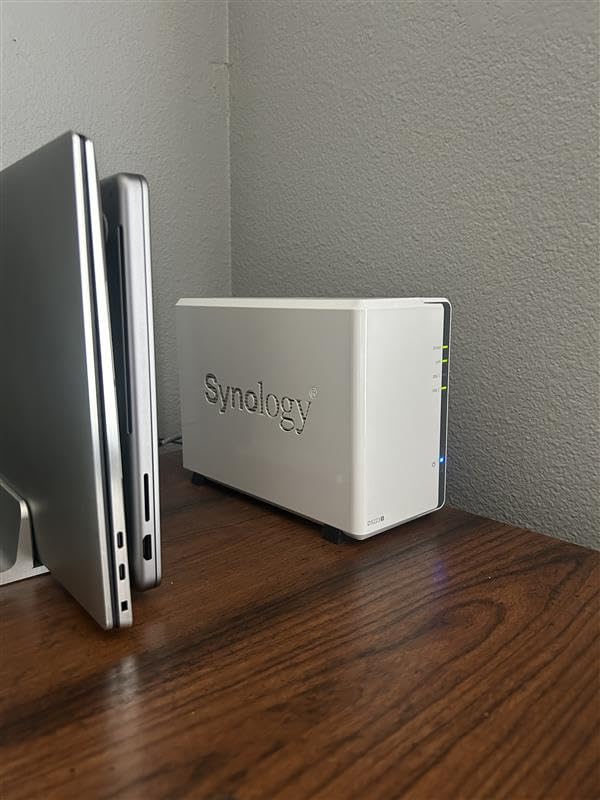
Power draw is modest and the compact white case disappears on a shelf. As a learn-DSM machine before investing in Docker-capable hardware, the tuition is low.
Starting Light and Upgrading Later
A sensible path: begin with the DS223j running Synology’s native apps, learn NAS fundamentals — RAID, shares, backups, users — then graduate to an x86 Docker machine once you know what you actually need from Nextcloud.
Drives migrate up-market with you in many cases, so the investment is not wasted. Several forum members described exactly this two-step upgrade path with no regrets.
What It Cannot Do for Nextcloud
Without Docker there is no AIO, and the entry-level CPU would bottleneck a serious instance regardless. Virtual machines, transcoding, and heavier server packages are all out of scope.
If Nextcloud itself is non-negotiable for you, skip ahead to the DXP2800. If “private cloud, simply” is the goal, this is the value champion.
8. UGREEN DH2300 – Best Starter Private Cloud, But Not for AIO
UGREEN NAS DH2300 2-Bay for Beginners & Personal Users, Phone Backup
2 Bays
64TB Capacity
AI Photo Album
125 MB/s Transfers
4GB RAM
No Docker
Pros
- Genuinely simple setup praised across 647 reviews
- AI photo album with face and location tagging
- One-time purchase replaces recurring cloud fees
- RAID support protects against drive failure
- Currently the top seller in its NAS category
Cons
- No Docker or VM support blocks Nextcloud AIO
- Single 1GbE port caps transfers around 125 MB/s
- Chassis amplifies HDD noise without damping
- Remote login centers on LinkID rather than an IP address
The DH2300 is UGREEN’s entry-level box, and as a beginner private cloud it is excellent — 647 reviews at 4.5 stars, an 80 percent five-star rate, and the number-one sales rank in its category at the time of writing. Just be clear-eyed about what it is.
Like the DS223j, it lacks Docker, so Nextcloud AIO is off the menu. What you get instead is UGOS with an AI photo album that organizes memories by face, place, and object — reviewers repeatedly call it the Google Photos experience they were chasing, minus the subscription.
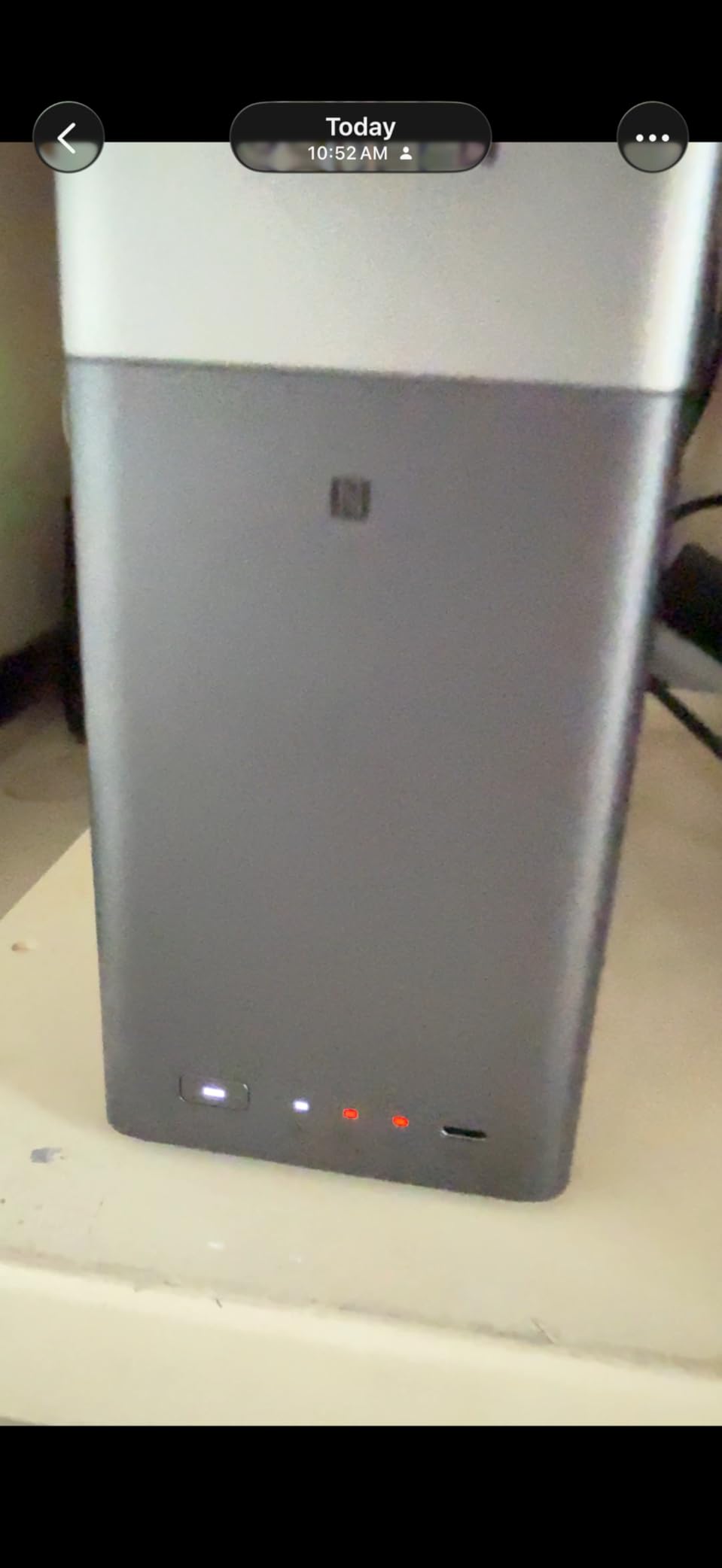
File transfers top out around 125 MB/s on the single 1GbE port. For phone backups and household file duty that is fine; large video libraries will feel the ceiling during initial fills.
Owners flag two quirks worth knowing. The chassis transmits HDD noise, so acoustic foam or SSDs make it near-silent, and remote access revolves around a LinkID account rather than an IP, which confuses tinkerers expecting raw network control.
There is no Wi-Fi built in either, so plan for a wired run or a USB adapter. None of this breaks the deal at this price; it just sets expectations for what a starter box delivers.
Why Docker Changes the Conversation
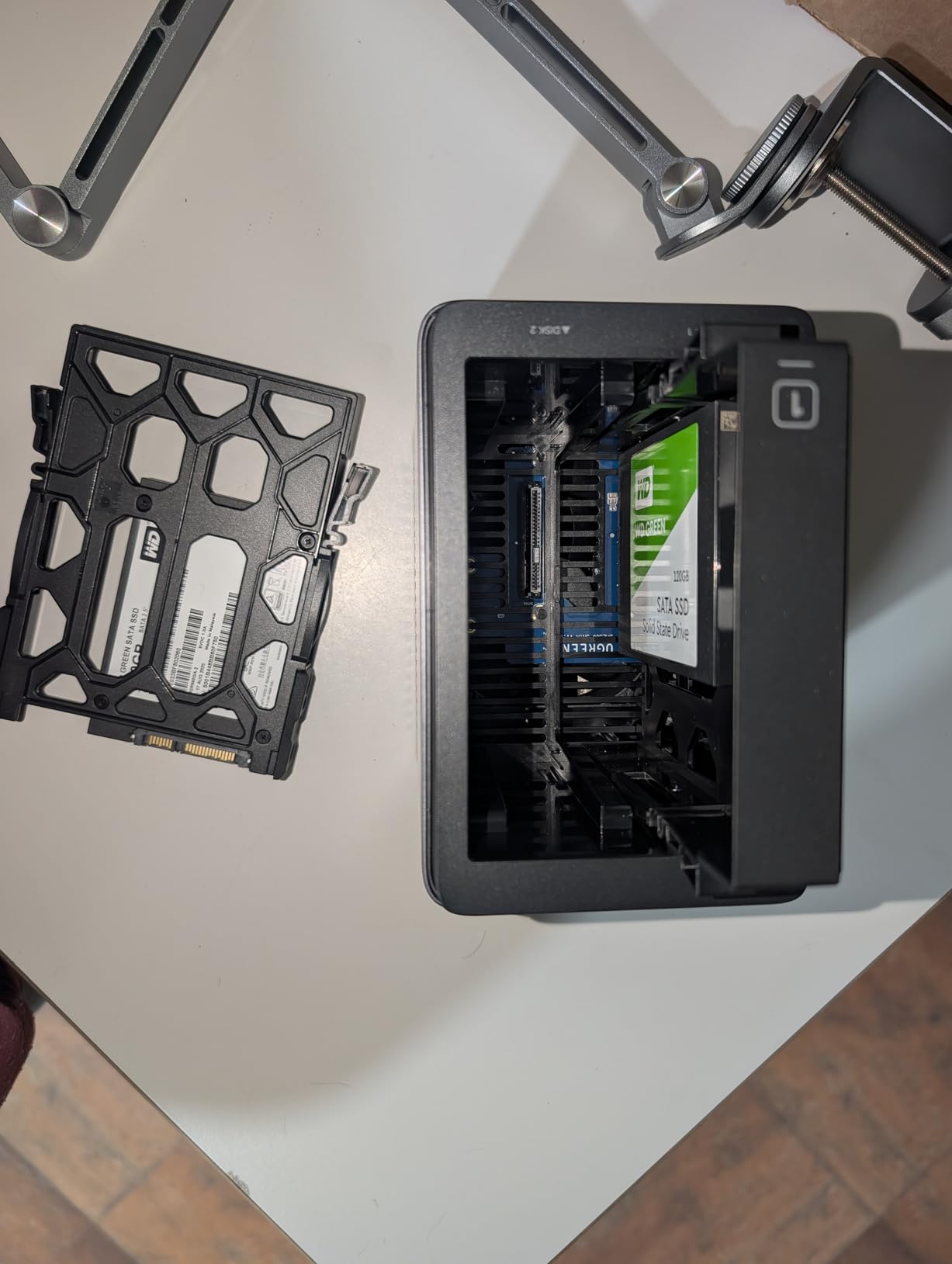
Every truly portable self-hosted stack — Nextcloud included — assumes containers. Without Docker you inherit whatever the vendor ships, and your migration path later depends on their tooling alone.
If any part of you wants to run Nextcloud AIO eventually, buy Docker-capable hardware now. The DXP2800 costs more upfront and removes the ceiling entirely.
Who Should Still Buy It
Buy the DH2300 if your entire wish list is photos, phone backup, and family file sharing with zero monthly fees. It delivers that experience with unusual polish for the money.
Pass if you crave containers, virtual machines, or Nextcloud specifically. Both goals point straight to the x86 models higher up this list.
How to Choose the Best NAS for Self-Hosting Nextcloud?
Choosing well comes down to six decisions, and getting the first two right eliminates most regret. Everything below reflects both our testing and the loudest consensus across Nextcloud and self-hosting communities.
x86 or ARM: The Decision That Shapes Everything
Go x86. The community’s near-universal position is that x86 CPUs strongly outperform ARM for Nextcloud AIO, because AIO’s container architecture assumes the x86 toolchain. Every pick in the top half of this list is x86 for exactly that reason.
ARM enclosures can run lighter Nextcloud builds, but you inherit compatibility friction precisely where self-hosting should feel empowering. If AIO is the goal, Intel or AMD silicon is the entry fee.
RAM: Match It to Your User Count
For one or two users, 8GB runs AIO comfortably with a couple of spare containers. At three to five users, add Collabora or Talk and 16GB becomes the sane target, and beyond five users you want 16GB minimum with an upgrade path.
Also check whether RAM is soldered before you buy. UGREEN’s DDR5 implementations are generally upgrade-friendly, which effectively future-proofs the purchase.
Docker Support Is Non-Negotiable
Nextcloud AIO is a Docker-based deployment, so native container support is the single most important software feature on the spec sheet. Synology ships it as Container Manager, UGREEN as Docker within UGOS, and both work well on x86 hardware.
Without Docker you are limited to whatever native sync the vendor provides, which is fine — until it is not. Both budget picks in this guide sit in that category, and I have been explicit about their limits.
NVMe Cache and Storage Layout
A small NVMe drive holding the Nextcloud data directory and database is the single biggest responsiveness upgrade available on any compatible NAS. Forum trust signals repeat it constantly: NVMe cache dramatically improves Nextcloud responsiveness.
Preferred layout: spinning drives in RAID for bulk storage, NVMe for the database and previews, and the OS on its own media when the enclosure provides a dedicated slot. Machines with two M.2 slots let you mirror that fast tier.
Networking and Remote Access: Solving CGNAT
Remote access is the pain point that surprises the most first-time self-hosters. If your ISP puts you behind CGNAT, port forwarding simply will not work, and forum threads confirm this bites a huge number of users worldwide.
Three solutions, ranked by ease. Tailscale is a WireGuard mesh that takes minutes and needs no open ports. Cloudflare Tunnel gives you free, clean URLs with no exposed IPs but some streaming caveats. A static IP or business line from your ISP is the traditional route when available.
One Synology-specific trap: QuickConnect does not serve Nextcloud traffic. Budget mental energy for a real domain and a tunnel from day one.
Drive Compatibility and Ecosystem Lock-In
Synology’s newer units officially restrict drive compatibility toward branded media, while UGREEN embraces third-party HDDs and SSDs openly. Neither approach is wrong, but know which philosophy you are buying into before the drives arrive.
Lock-in matters most at expansion time, when your four-bay wants two more drives and the compatible list limits your options on capacity and price.
Plan Backups Before You Install Anything
The most repeated hard lesson across every forum we reviewed: RAID is not backup. Sketch your 3-2-1 plan — three copies, two media types, one off-site — before the first file lands on the array.
Nextcloud AIO includes a built-in backup container, which pairs cleanly with Hyper Backup, external drives, or a second NAS. Decide where your off-site copy lives now, and your future self inherits an archive instead of a catastrophe.
Frequently Asked Questions
Can Nextcloud be self-hosted?
Yes. Nextcloud is open-source software you run on your own hardware, typically a NAS or home server. A Docker-capable x86 NAS with 8GB of RAM is the recommended starting point, and the Nextcloud AIO container handles most of the installation complexity for you.
Is Nextcloud free if self-hosted?
The software is completely free, including file sync, photo backup, calendar, contacts, and office suites. Your only costs are the NAS hardware, hard drives, electricity, and optionally a domain name for remote access.
How much RAM does Nextcloud need on a NAS?
Plan on 8GB for one or two users running Nextcloud AIO comfortably. Move to 16GB once you serve three to five users or add heavy apps like Collabora Office or Nextcloud Talk. The AIO container itself expects several gigabytes reserved for its database and web tiers.
Which is better, Nextcloud or Synology Drive?
Synology Drive is simpler and tightly integrated but only works within Synology hardware. Nextcloud is platform-independent, supports document collaboration with Collabora, calendar, contacts, and Talk video calls, and keeps your options open if you change hardware. Many owners run both: Synology Drive for quick file sync, Nextcloud for the full cloud-suite experience.
What is the best NAS for personal cloud storage?
For a personal Nextcloud build, the UGREEN DXP2800 is the best value pick thanks to its Intel N100 CPU, 8GB of DDR5, and 2.5GbE networking. The UGREEN DXP4800 Plus is the upgrade choice for households and small teams, while the Synology DS225+ suits buyers who prioritize polished software.
Final Verdict: The Best NAS for Self-Hosting Nextcloud in 2026
After three months of containers, photo libraries, and remote-sync sessions across eight enclosures, the standings are clear. The UGREEN DXP4800 Plus is the best NAS for self-hosting Nextcloud overall, thanks to its five-core Pentium Gold CPU, 10GbE networking, third-party drive freedom, and effortless AIO deployment. The UGREEN DXP2800 is the value champion for personal builds, and the Synology DS225+ is the pick for buyers who prize polished software above raw specs.
Whatever you choose, respect the three rules the self-hosting community learned the hard way: insist on x86 with Docker, put Nextcloud’s data directory on NVMe, and design your backup plan before your first upload. Follow those, and your private cloud will still be serving you faithfully well past 2026.