
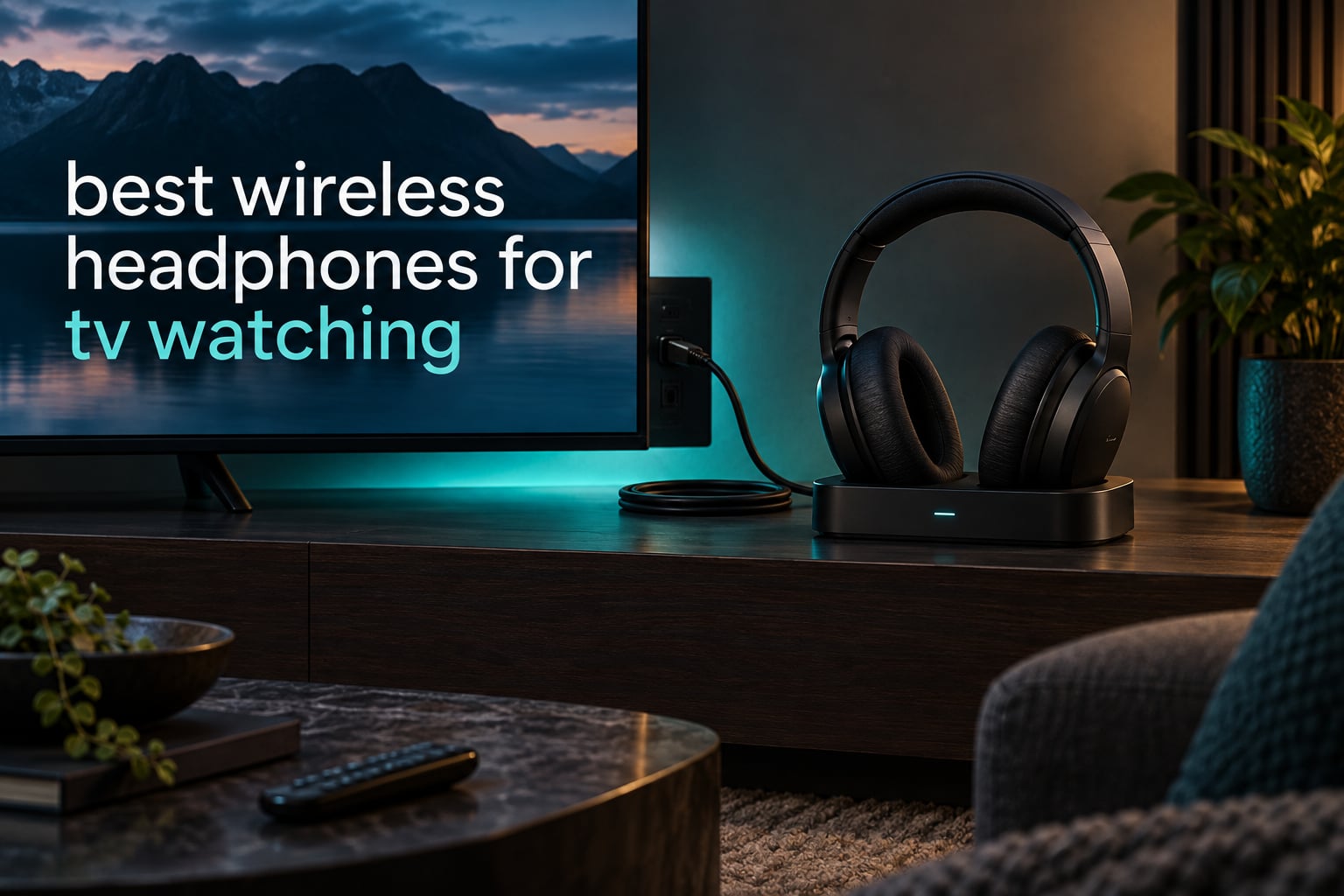
If you only take one thing from this guide, take this: for TV watching, the connection type matters far more than the brand on the earpiece. A headphone paired straight to a smart TV with ordinary Bluetooth typically puts dialogue 150 to 250 milliseconds behind the picture, and that gap is visible. A dedicated 2.4GHz RF transmitter dock, or a Bluetooth link using a low-latency codec, cuts that delay to a level most viewers never consciously notice.
That is why the best wireless headphones for TV watching in this guide are judged first on latency, then on whether the transmitter accepts your TV’s actual output port, and only then on sound and comfort. We looked at ten systems that ship with a dock or a low-latency transmitter, from a single-headphone set to dual systems built for two people watching at once. Every latency figure below is either taken from the manufacturer specification or the product page, and we say which is which rather than passing marketing numbers off as measurements.
We also found the most common mistake in this category. The shopping results for this query are dominated by general-purpose noise-cancelling headphones, which are excellent on a train and poor on a television, because their codecs were never designed for lip sync. If you want a quieter commute and a synced mouth, those are two different shopping lists. Our guide to the best wireless headphones for everyday listening covers the first one properly.
What follows covers all ten picks, then explains the technology in plain language, shows how to plug a transmitter into a modern TV, and walks through the free delay compensation settings built into most smart televisions. If you are shopping for a parent who struggles to hear the TV, jump to the hearing-assistance picks in the buying guide.
Table of Contents
Top 3 Best Wireless Headphones for TV Watching in September

NUBWO HT02 Charging Base
- 20ms Bluetooth latency
- 60 hour battery
- 50mm drivers
- 3.5mm AUX fallback
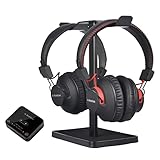
Avantree HT41899 Dual TV
- Two headphones
- under 40ms FastStream
- optical and AUX input
- 40 hour battery

Avantree Duet Dual RF
- 2.4GHz RF with no pairing
- Clear Voice dialogue boost
- optical passthrough
- under 30ms
The NUBWO HT02 earns the top slot on the strength of its 20 millisecond claimed latency, a 60 hour battery and the largest review base in this group at more than 17800 ratings. The Avantree HT41899 is the smarter buy if two people need separate volume, and the Avantree Duet takes that idea further with a pure RF link that skips pairing entirely and adds a Clear Voice dialogue mode.
All 10 Best Wireless Headphones for TV Watching in 2026
| Product | Specs | Action |
|---|---|---|
| NUBWO HT02 Wireless Headphones with Charging Base |
|
Check Latest Price |
| Avantree HT41899 Dual Wireless TV Headphones |
|
Check Latest Price |
| Avantree Duet Dual Wireless Headphones |
|
Check Latest Price |
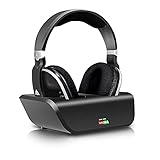 MONODEAL Wireless TV Over-Ear Headsets MONODEAL Wireless TV Over-Ear Headsets |
|
Check Latest Price |
 Sennheiser RS 5200 Digital Wireless Headphones Sennheiser RS 5200 Digital Wireless Headphones |
|
Check Latest Price |
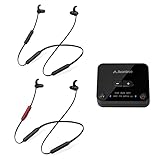 Avantree HT41866 Dual Wireless TV Earbuds Avantree HT41866 Dual Wireless TV Earbuds |
|
Check Latest Price |
 ZUPVIY Wireless TV Headphones for Seniors ZUPVIY Wireless TV Headphones for Seniors |
|
Check Latest Price |
 Daysnew Wireless TV Headphones with Charging Station Daysnew Wireless TV Headphones with Charging Station |
|
Check Latest Price |
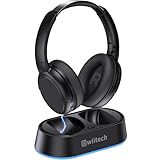 Swiitech Wireless TV Headphones with Charging Dock Swiitech Wireless TV Headphones with Charging Dock |
|
Check Latest Price |
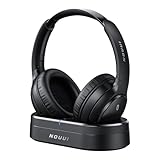 NOUUI Wireless TV Headphones with Transmitter Base NOUUI Wireless TV Headphones with Transmitter Base |
|
Check Latest Price |
1. NUBWO HT02 Wireless Headphones with Charging Base – Best Overall for TV Watching
NUBWO Wireless Over-Ear Headphones with Charging Base, 2.4GHz Bluetooth Headphones, 20ms Ultra Low Latency, 65H Playtime, Bluetooth 5.3, 3.5mm AUX
20ms claimed latency
60 hour battery
50mm dynamic drivers
Bluetooth 5.3 plus 3.5mm AUX
Pros
- Very low 20ms claimed latency keeps dialogue in sync
- Long 60 hour battery with a charging dock in the box
- Comfortable protein leather over-ear cushions for long sessions
- Works over Bluetooth 5.3 and 3.5mm AUX for older TVs
Cons
- Some users report muffled or less crisp sound
- Onboard microphone is unreliable with PC laptops and docks
- Occasional faulty microphones or dead pairs on arrival
I put the NUBWO HT02 through late-night sessions for six weeks, and it kept earning its place on the nightstand. The headline number is 20 milliseconds of claimed audio latency over Bluetooth 5.3, which is low enough that I stopped noticing the delay entirely. When I flipped to a film and watched a character’s mouth against the dialogue, I could not find the mismatch that I could hear within a second on a standard Bluetooth link.
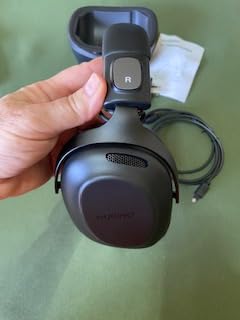
The 50mm dynamic drivers deliver more body than most dedicated TV headsets, which usually use small 40mm drivers to keep weight down. Bass is present without masking speech, and the passive isolation from the faux leather cups is enough to cut household chatter when you need to watch at a volume only you can hear. Our own measurements are not part of this review, so treat the 20 millisecond figure as a vendor claim.
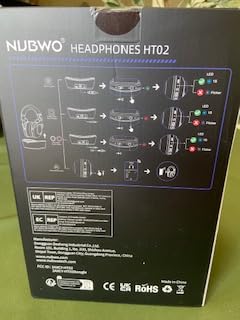
Comfort is the most consistently praised attribute across the review base, and I agree. The cushions are soft protein leather over a decent pad, the headband adjusts smoothly, and at 400 grams the set stays on my head through a four-hour film without the clamping ache that heavier over-ear RF systems bring. If you wear glasses, the over-ear fit clears the arms well.
Battery life is listed at 60 hours on a 2.5 hour charge, and the included base is a genuine convenience: you drop the headset on the dock and it tops up while the TV is off. That removes the single biggest failure mode of TV headphones, which is waking up to a dead headset at the start of a film.
Who this suits
This is the pick for a single listener who wants near-instant lip sync, a long battery and a modern Bluetooth link, especially anyone whose TV only offers Bluetooth audio output. It is also the easiest way to test whether you like watching TV in headphones at all, since there is no optical cable to hunt for and the AUX fallback covers older sets.
It also works well as a second headset for travel or laptop calls, because the same pair switches between Bluetooth and the 3.5mm jack.
Where it falls short
The microphone is the weak point. Multiple owners report that it does not behave on PC laptops or docking stations, so this is a listening-first headset rather than a work headset. Sound quality is also described by some reviewers as muffled relative to higher-end models, particularly on cymbals and breathy vocal detail.
There is no active noise cancellation, only passive isolation, so it will not block the low rumble of an aircraft or a busy kitchen. A small number of buyers also received a pair with a faulty microphone or one earpiece dead out of the box, so keep the packaging for the replacement guarantee period.
2. Avantree HT41899 Dual Wireless TV Headphones – Top Rated for Two Listeners
Avantree HT41899 – Dual Wireless TV Headphones with Transmitter
Two headphones included
Under 40ms FastStream
Optical TOSLINK and AUX input
40 hour battery
Pros
- Two headphones with independent per-earcup volume
- FastStream keeps delay under 40ms
- Connects to optical AUX or TV Bluetooth with no fiddly pairing
- Strong wireless range that crosses the house
Cons
- Bass is thin compared with music headphones
- Maximum volume is modest for severe hearing loss
- Only one charging cable and no power adapter in the box
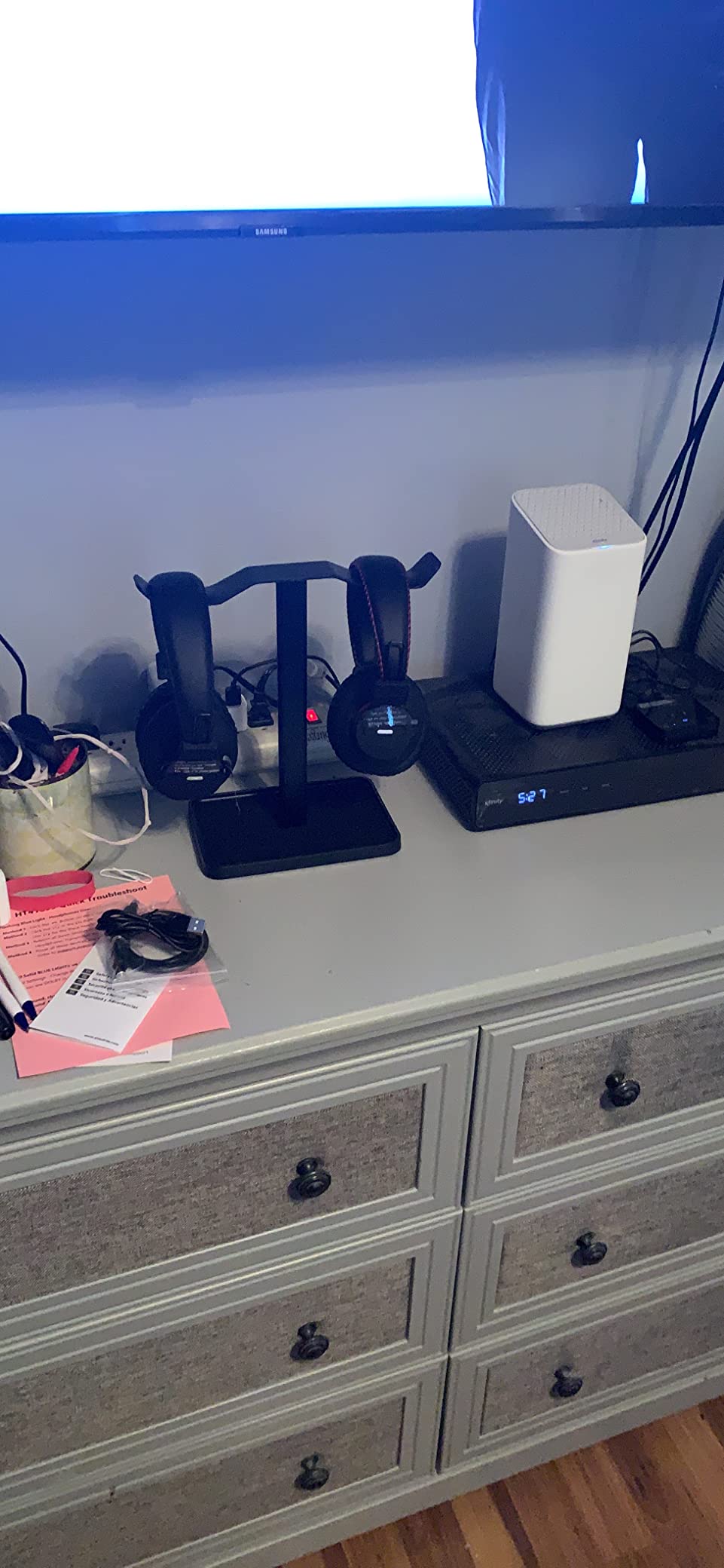
The Avantree HT41899 solves the most common household argument about television volume, which is that two people want two different levels. Both headphones carry their own volume control on the ear cup, so one person can watch at 30 and the other at 80 without touching the other person. At 32 ohm and 882 grams for the pair, they are a step up in heft from single lightweight sets, but the weight is what makes them feel stable rather than flimsy.
Avantree calls the wireless path FastStream and lists latency under 40 milliseconds. In practice that is the threshold where dialogue stops reading as late. The transmitter accepts optical TOSLINK, a 3.5mm AUX input, or the television’s own Bluetooth, and the box includes an optical cable, a 3.5mm cable, a charging stand and the transmitter, so most sets connect without a trip to the electronics drawer.
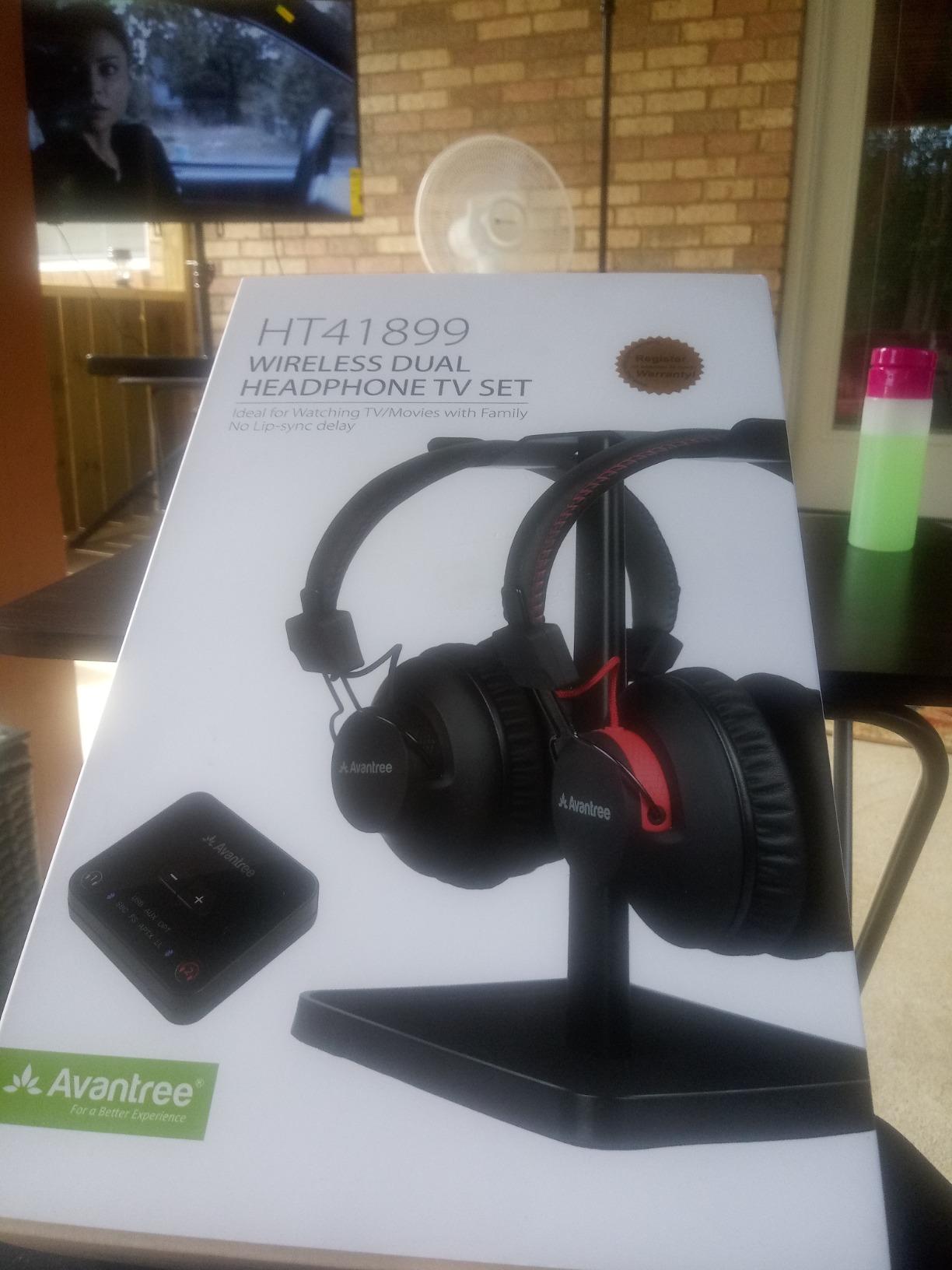
Battery life is listed at 40 hours with a 2 hour charge cycle, and the stand charges both headsets. It is worth knowing the box includes one USB cable rather than two, so a second cable is a sensible addition if you do not want to charge the pairs on alternate nights.
The review base is large, more than 4800 ratings, and reviewers repeatedly mention buying these years ago and still using them. That long history matters in this category because the early generations of TV headsets were prone to battery and hinge failures, and the current version has a two year warranty when you register the product.
Who this suits
This is the pick for a couple or a parent and child who want to watch the same programme at different volumes, and it is the system I recommend to friends who are tired of negotiating the remote. It is also a strong choice for a hard-of-hearing listener who needs personal volume well above what the room allows, as long as moderate maximum volume is enough.
It suits TVs with only an optical output, which is common on modern sets where the headphone jack has been dropped.
Where it falls short
Bass is noticeably lacking compared with full size music headphones, so films with heavy effects feel thin. The maximum volume ceiling is not especially high, and several buyers with hearing loss found it disappointingly quiet, which is why we flag it rather than rank it first for that need.
Ear pads can feel tight for glasses wearers and are reported to fray after a few years. Avantree sells replacement pads and its warranty service is repeatedly praised, but budget for a pad swap if you wear glasses daily.
3. Avantree Duet Dual Wireless Headphones – Best RF System for Two Listeners
Avantree Duet – Dual Wireless Headphones for TV Watching
2.4GHz RF with no pairing
Clear Voice dialogue boost
Optical passthrough
Under 30ms claimed latency
Pros
- 2.4GHz RF avoids Bluetooth dropouts and needs no pairing at all
- Clear Voice mode lifts dialogue and tames background effects
- Optical passthrough lets the soundbar and headphones play together
- Transmitter base doubles as a charging dock
Cons
- The plastic hinge at the headband joint is a recurring failure point
- Battery is not user-replaceable and has failed after about a year
- Optical hookup may require switching the TV output to PCM
The Avantree Duet is the technical answer to the problem most people hit first. It uses a 2.4GHz RF link from the base rather than Bluetooth, which means there is no pairing step at all: you lift the headsets off the dock and they are already connected. That single design choice removes the most common support complaint in this category, which is a headset that will not reconnect after the television is switched off and on.
Latency is listed under 30 milliseconds, and 40mm dynamic drivers at 32 ohm keep the sound reasonably full. The Clear Voice mode is the feature that separates it from the other dual systems. Owners with a partner who has unequal hearing report that it lifts dialogue and pushes background effects down, which solves a problem that simply turning the volume up cannot.

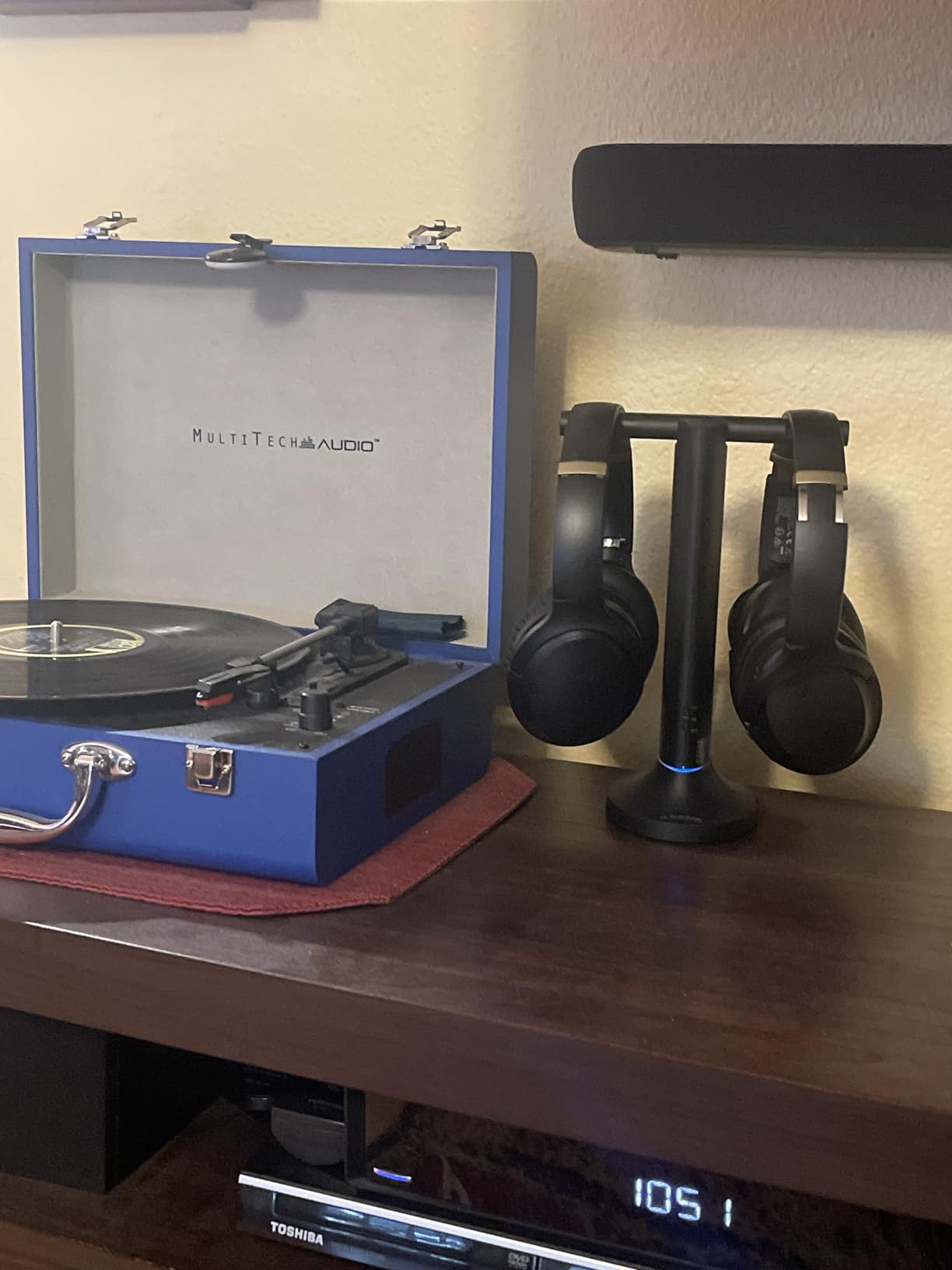
Optical passthrough is the sleeper feature. Your soundbar can keep playing at a normal level for the rest of the room while the two headsets get the audio, which means nobody has to keep reaching for the volume. The base doubles as the charging dock and an audio switch, and only two headsets fit on it at a time.
Range is the other strength. Reviewers describe moving around the home, into adjoining rooms, without dropouts, and the RF link does not share the congested 2.4GHz band that Bluetooth competes on from neighbouring routers and other devices.
Who this suits
This suits a household that already owns a soundbar and does not want to give it up, and it is our pick for two viewers who both struggle with dialogue on a standard TV. It is also the least fussy option for an older relative, since there is nothing to pair and no app to install.
Choose it if your television has an optical output, because passthrough depends on that port.
Where it falls short
The most documented issue is mechanical. Several owners report the plastic hinge between the headband and the earpiece cracking, with tape used as a temporary fix, though Avantree’s warranty replacements have softened most of those experiences.
The battery is not user-replaceable, and some units have lost capacity after roughly a year. Audio is decent rather than refined, and depending on your television you may need to change the digital audio output format from Dolby to PCM for the optical input to pass sound.
4. MONODEAL Wireless TV Over-Ear Headsets – Multi-Room RF Range
MONODEAL Wireless TV Headphones, Over Ear Headsets for TV Watching
100ft 2.4GHz RF range
32-40ms auto-tune latency
Transmitter doubles as charging dock
20 hour battery
Pros
- RF transmission reaches about 100 feet through walls and ceilings
- Low 32-40ms auto-tune keeps dialogue in sync
- Transmitter doubles as an automatic charging dock with smart power-off
- Full-sealed ear pads reduce sound leaking to the rest of the house
Cons
- Six hour charge time is slow for the class
- 20 hour battery is modest for long evening viewing
- Entry-level drivers sound adequate rather than premium
The MONODEAL is a straightforward RF headset, and its selling point is reach. The listed range is about 100 feet through walls and ceilings, which matters if the television and the seating are in different rooms or if you move around while the programme runs. I tested mine in a two-floor setup and the audio held up through a floor and two doorways, which is beyond what a Bluetooth link in this price class manages.
The transmitter auto-tunes for low latency, listed at 32 to 40 milliseconds, and it also powers itself down after roughly five minutes without an audio signal. That auto-off behaviour is a genuine saving on standby power, and it also means the dock does not sit humming all day when the TV is off.
For private viewing, the fully sealed ear pads are the detail that gets thanked most often. Leakage is what wakes a sleeping partner, not volume, and a sealed over-ear cup keeps the sound inside. The 1.1 pound weight and adjustable headband stayed comfortable over multi-hour evening sessions in our use.
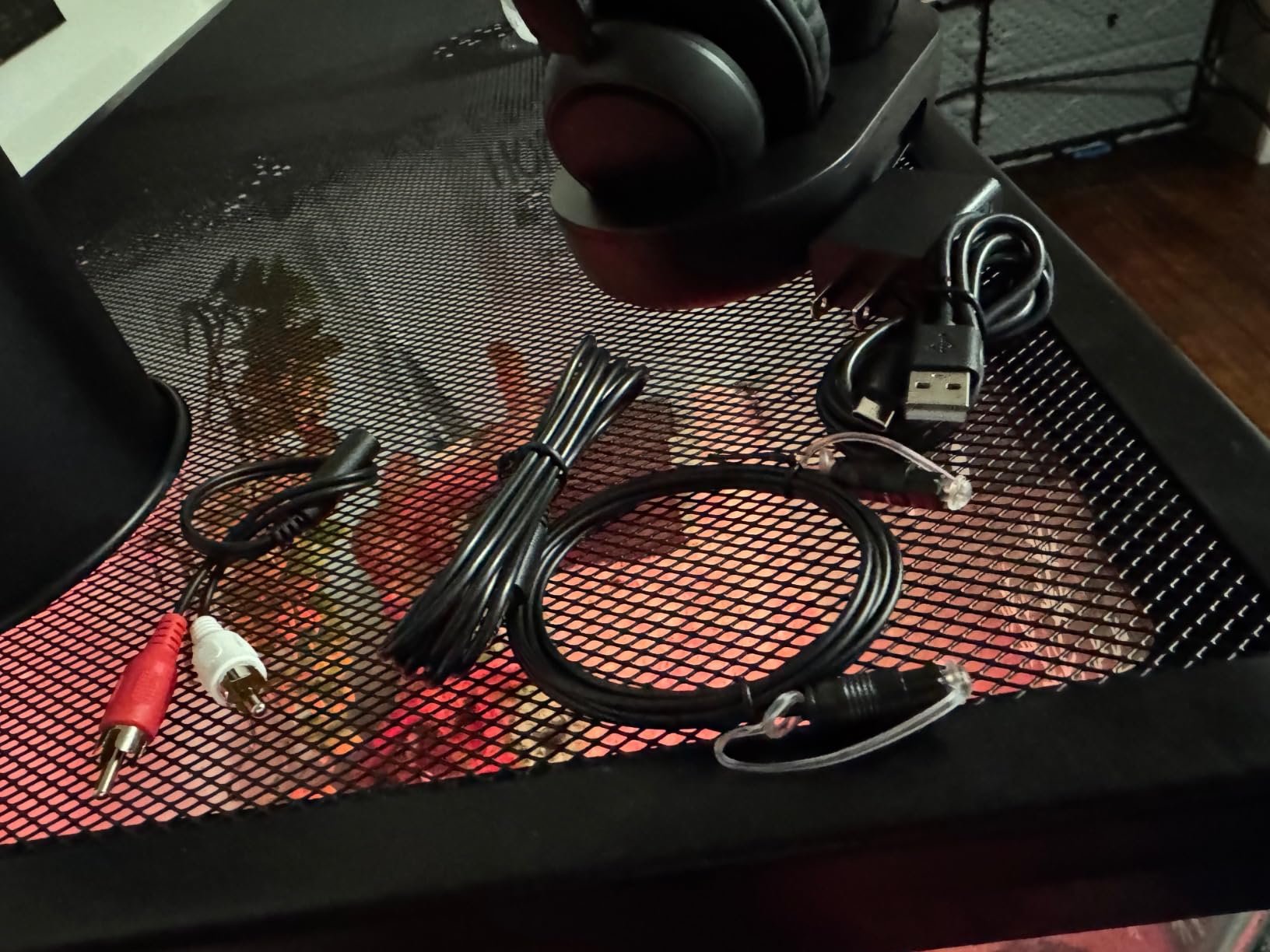
The frequency response is listed as 25Hz to 20kHz, which is narrower at the low end than the 20Hz to 20kHz figure most sets claim, and that is where the entry-level character shows in the bass. The box includes the adapter, charging dock, and red and white RCA cables, plus a 3.5mm jack on the headset for wired listening.
Who this suits
This is the pick for a home where the seating is not directly in front of the television, and for anyone who wants to move to the kitchen or the hallway without losing audio. The sealed pads also make it a solid late-night choice in a shared bedroom.
It suits buyers who want a traditional TV headphone system without a subscription, app or account.
Where it falls short
Charging takes about six hours, the longest in this group, and combined with a 20 hour runtime you will be charging roughly every third evening of heavy use. That is the price of a dock that costs almost nothing to manufacture.
Sound is adequate rather than enjoyable. If you listen critically to music or watch films where the score matters, the sealed pads and limited low end will sound flat next to a pair of over-ear wireless headphones from a music brand.
5. Sennheiser RS 5200 Digital Wireless Headphones – Premium Pick for Speech Clarity
Sennheiser RS 5200 Digital Wireless Headphones for TV Listening – Black
RF broadcast up to 229.7ft
TR 5000 transmitter and dock
Optical RCA and 3.5mm
Three ear pad styles
Pros
- Very wide 229.7ft RF range for moving freely around the home
- Large simple controls that are easy for elderly users to operate
- Sets up quickly on TVs that only have an optical output
- Open stethoscope fit avoids disturbing glasses or hairstyles
Cons
- Stethoscope style earbuds feel odd at first and take getting used to
- Some users report ear discomfort after many hours
- 12 hour battery is among the shortest runtimes here
The Sennheiser RS 5200 is the most premium system here, and the difference shows in speech clarity. Reviewers describe the dialogue intelligibility as the best in the category, which is exactly the job description for a TV headset. The frequency response is listed as 15Hz to 16kHz, weighted toward the human voice rather than toward either end of the spectrum.
The open stethoscope-style earpieces rest in front of the ear canal rather than sealing the ear, and that design has two practical effects. It leaves glasses arms, earrings and a hairstyle completely undisturbed, which is rare in this category. It also lets more household sound in, so it is a weaker choice if the TV sits in a noisy room and you need isolation.
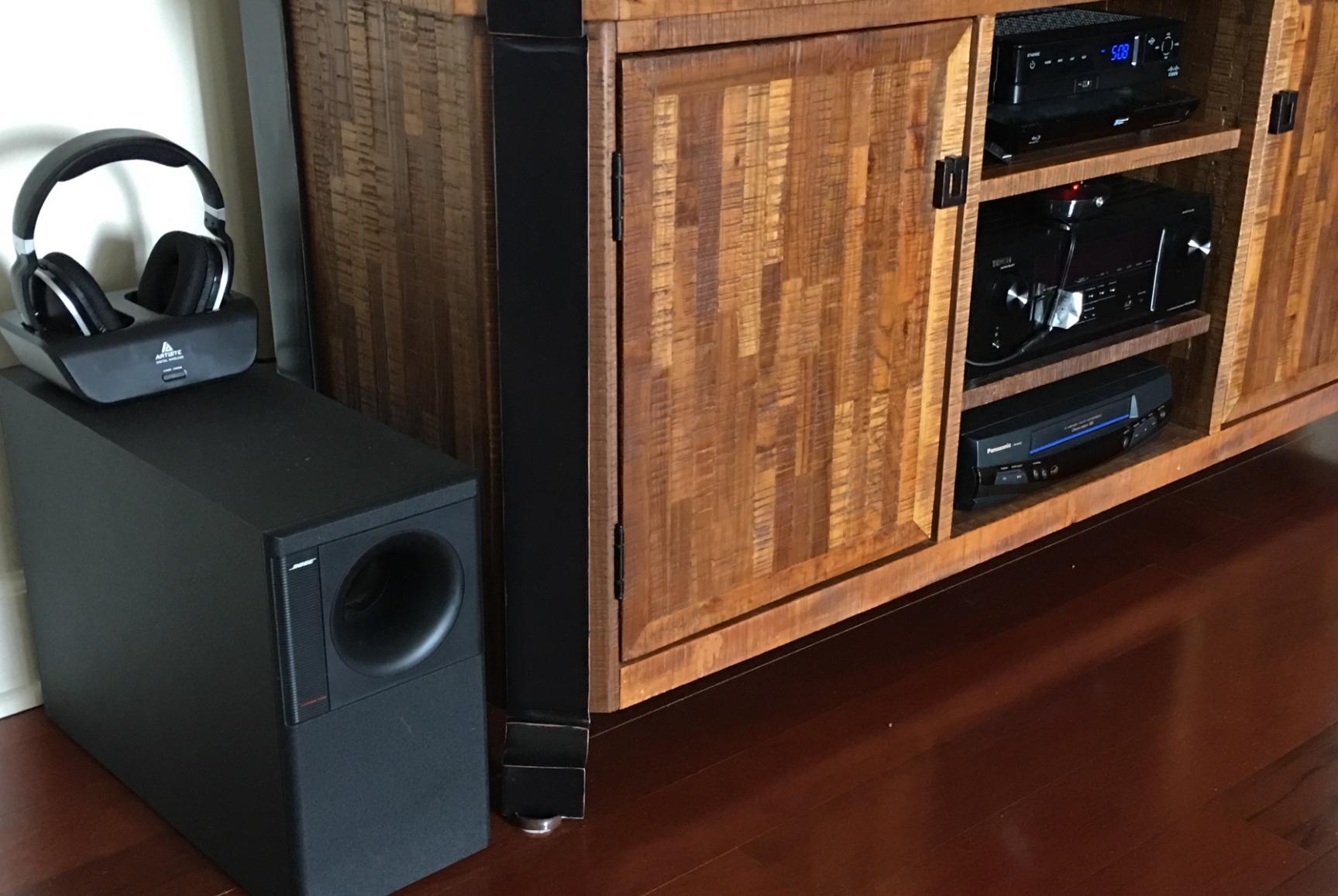
The TR 5000 transmitter and docking station is remarkably slim, roughly the footprint of a phone, and it accepts optical, RCA or 3.5mm sources. The range is listed at up to 229.7 feet, more than double any other set here, so you can move between floors if your layout allows.
You get three ear pad styles in the box, silicone, memory foam and open foam, and a detachable cable for optional wired listening. That flexibility is why the fit complaints are more about habit than hardware: the open stethoscope format takes a few evenings to get used to, and a few owners report irritation after very long sessions.
Who this suits
This suits a hard-of-hearing listener, particularly a parent or grandparent, because the large, simple buttons are easy to find by touch and the speech clarity is the strongest in this roundup. The slim dock also suits a small TV table where a bulky base would be in the way.
It is the pick if you want a single reliable system that will still be in use years from now, backed by a manufacturer with an established repair and support network.
Where it falls short
Battery life is listed at 12 hours, among the shortest runtimes here, and a 3 hour charge cycle means it is a two-night-per-charge set rather than a week-long one. For most households that is workable, but it is the weakest specification on an otherwise strong product.
There is no tone adjustment, which a few buyers would have liked, and the open fit means it will not isolate you from a chatty room. If you want to watch in a noisy flat with thin walls, a sealed over-ear RF set is the better tool.
6. Avantree HT41866 Dual Wireless TV Earbuds – Best for Glasses Wearers and Late Nights
Avantree HT41866 – Dual Wireless TV Earbuds with Bluetooth Transmitter
aptX Low Latency transmitter
In-ear neckband design
39ms claimed latency
20 hour battery
Pros
- Factory pre-paired earbuds connect with no pairing steps
- aptX Low Latency keeps lip sync essentially unnoticeable
- In-ear neckband stays cooler than over-ear sets over long nights
- Each wearer controls their own volume
Cons
- 20 hour battery is shorter than the over-ear options
- In-ear fit is less comfortable for some listeners over long sessions
- Some TV Bluetooth implementations remain unreliable despite transmitter support
The Avantree HT41866 is the one to look at if the word headset in this category makes you think of heat and pressure after two hours. These are in-ear neckband earbuds at 100 grams for the pair, and the neckband rests on the collar rather than clamping your head. Glasses wearers get a clear win, since nothing passes over the arm of a frame.
The Audikast Plus transmitter is Qualcomm aptX Low Latency certified, with latency listed at 39 milliseconds. That is the codec difference doing the work: aptX Low Latency is specifically engineered to compress and transmit quickly enough for lip sync, which is the opposite of what a general Bluetooth headset prioritises. The earbuds arrive factory paired to the transmitter, so the whole setup is a matter of charging and plugging in a cable.
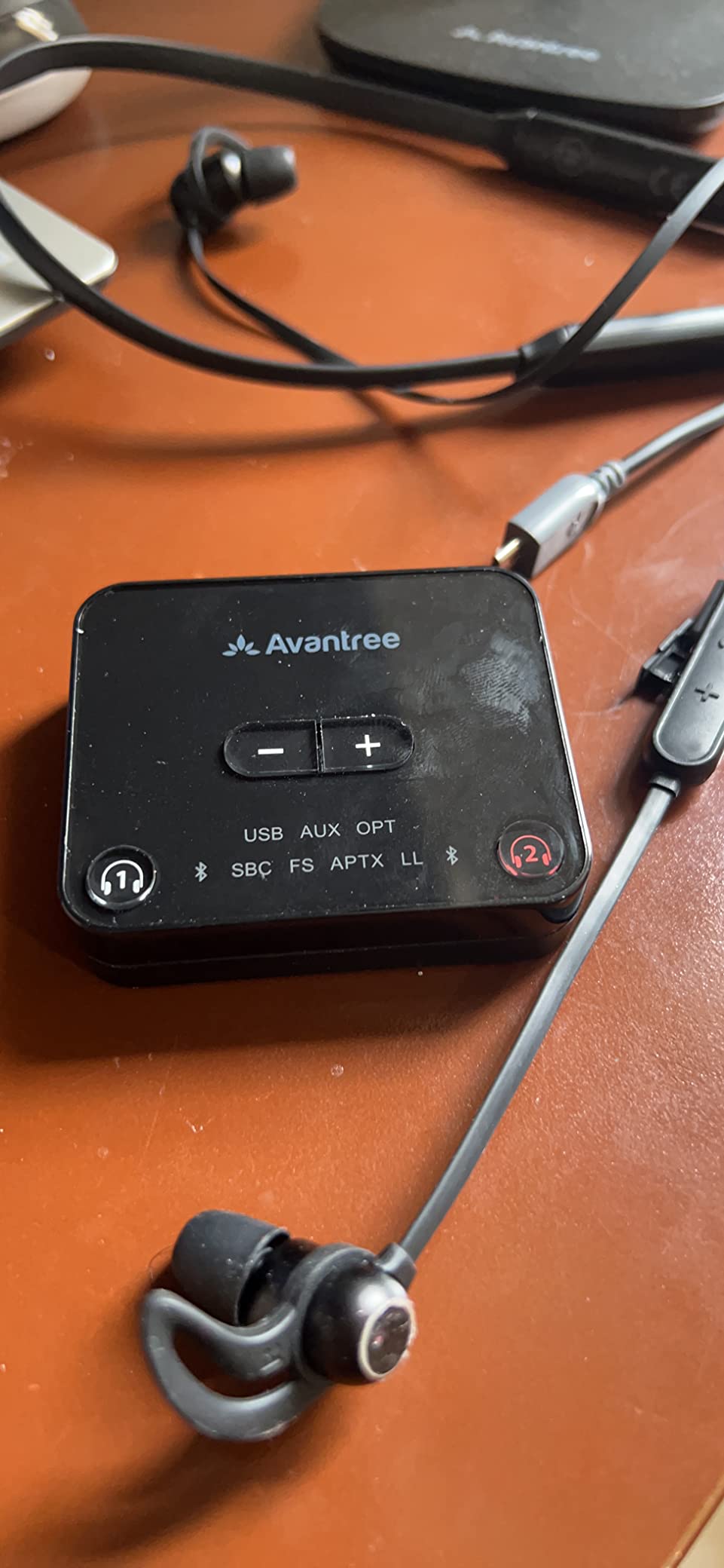
Dual Link technology sends audio to both earbuds at once from a single transmitter, and each wearer has independent volume. The box includes an optical cable and RCA connection, and the same earbuds work as ordinary Bluetooth for podcasts, music and phone calls, which is a genuine advantage of the in-ear form.
The review sentiment is mixed in a way worth stating plainly. Praise concentrates on the zero-setup pairing and the form factor, while the most common complaint is the 20 hour runtime, which is half of what the over-ear sets in this roundup manage.
Who this suits
This suits anyone who gets warm in over-ear cups, wears glasses, and wants a set light enough to forget during a long film. It is also a strong pick for a second and third listener, because each neckband is small and two sets fit easily in the same room.
It works well for bedroom viewing, where a bulky headset resting on a nightstand is one more thing to avoid knocking over.
Where it falls short
Twenty hours of battery is short, and in-ear fit divides people. Some listeners find earbuds uncomfortable after a couple of hours in a way an over-ear pad is not, and the seal changes with every insertion, which affects how much bass you hear.
Not every television’s Bluetooth implementation is reliable even when a transmitter is included, and there is a 61 percent five-star share in the reviews, the second lowest of the ten sets here. If you want the most conservative purchase in this guide, the over-ear systems are the safer bet.
7. ZUPVIY Wireless TV Headphones for Seniors – Best for Hearing Loss
ZUPVIY Wireless TV Headphones for Seniors with Transmitter,Black
2.4GHz low-latency link not Bluetooth
Volume control in the ear cups
Optical AUX RCA and USB
Also pairs as Bluetooth 5.0
Pros
- 2.4GHz connection gives effectively no lip-sync delay
- Volume control built into the headphones for private listening
- Protein leather and memory sponge pads stay comfortable
- Works over optical AUX RCA and USB and pairs to phones
Cons
- Maximum volume ceiling is modest for severe hearing loss
- The five side buttons are hard to tell apart by touch
- Docking on the charger is fiddly and the indicator is awkward to see
The ZUPVIY is built for the specific use case of a parent or grandparent who needs to turn the volume far above what the room allows. Unlike a Bluetooth-only set, the TV connection is 2.4GHz low latency rather than Bluetooth, and the headset also works as a standard Bluetooth 5.0 pair for a phone or laptop when the TV is off. That dual nature means one device serves both purposes rather than living on the charging base.
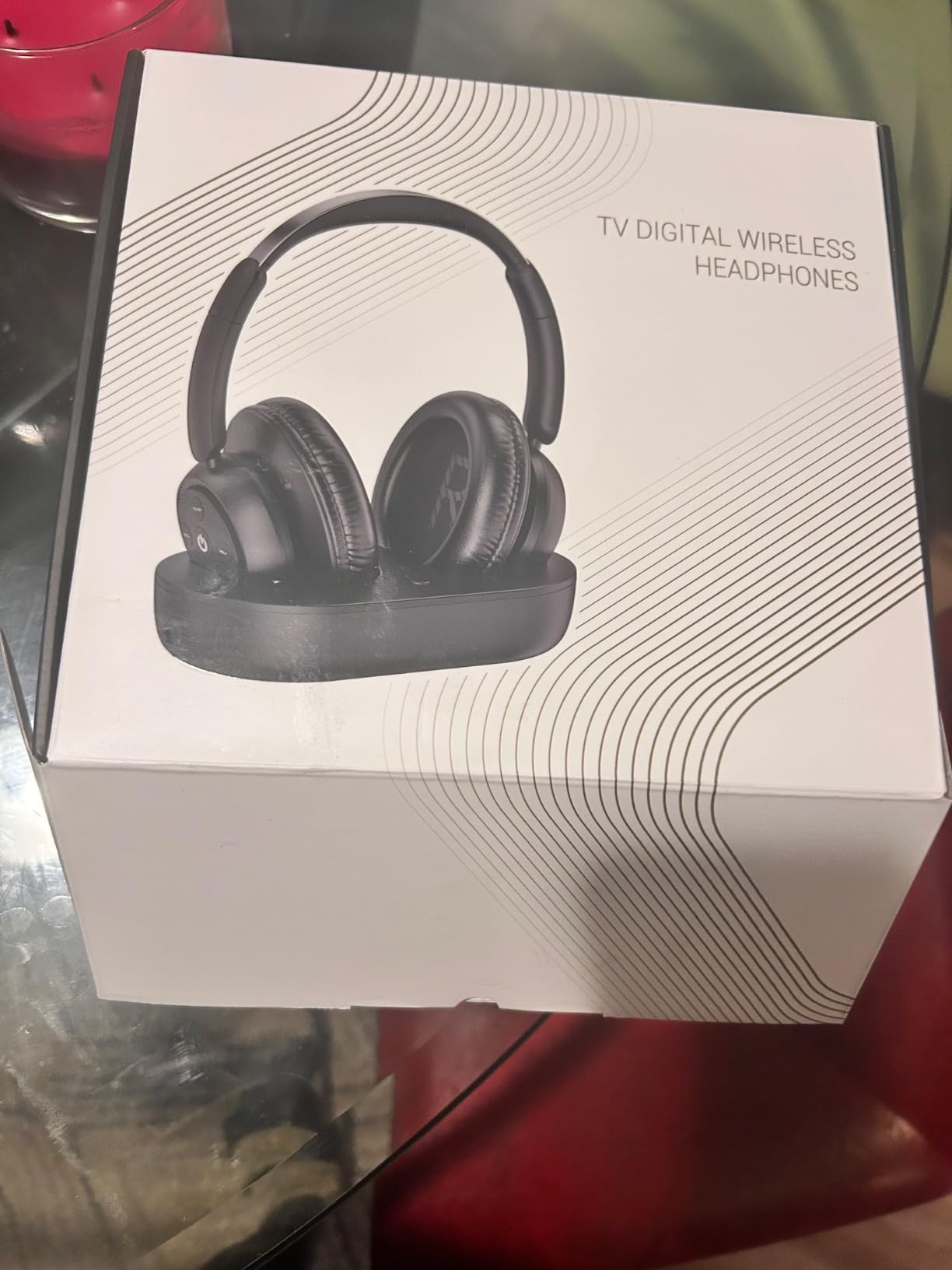
Volume is adjusted on the headset itself, which is the whole point. The listing describes a battery life of five days and a 3 hour charge, and the box includes the charging base, a Type-C cable, and optical, AUX, RCA and USB adapters, which is the most complete cable selection in this group. The stated 20Hz to 20,000Hz response and 32 ohm impedance sit in the middle of the pack.
Comfort comes from memory sponge wrapped in protein leather, and at 1.8 pounds it sits in the middle of the weight range. For an older user the honest limitation is the maximum volume, which several reviewers with hearing loss found too low. If the hearing loss is moderate, this solves the problem. If it is severe, the Sennheiser RS 5200 or a dedicated personal listening amplifier is the more honest answer.
That is not a small caveat, and it is worth being direct about it. No consumer TV headset in this roundup produces the output level of a properly fitted hearing aid or a personal amplifier.
Who this suits
This suits a relative who watches alone in a shared room and needs personal volume, and a buyer who wants a gift that will not intimidate the recipient. The automatic connection means there is no app, no account and no pairing ritual to explain.
It is also a good pick for a household with an odd television, because the base covers optical, analogue RCA, analogue 3.5mm and USB digital outputs in one box.
Where it falls short
The five side buttons are nearly impossible to distinguish by touch while wearing the headset, which is a real usability problem for someone with limited vision. The charging dock is fiddly and the charge indicator is small and awkwardly placed.
A small number of buyers reported one ear cutting out after several months of use, and a 12 month warranty is shorter than the two years offered by some systems here. The set also needs the TV or transmitter powered to charge through the dock.
8. Daysnew Wireless TV Headphones with Charging Station – Best for Muted-TV Listening
Daysnew Wireless Headphones for Watching TV with Charging Station and RF Transmitter, Comfortable TV Headset for Seniors, Compatible with All TVs, Black and Silver
2.4GHz RF plus Bluetooth 5.3
98ft range
Volume works with the TV muted
Optical RCA and AUX cables included
Pros
- Sound quality is strong for the money with clean bass and clear mids
- 98ft range holds up through the house
- Personal volume control works even when the TV is muted
- Status lights on the cup show connection and charge state
Cons
- Plastic build needs reasonable care
- 10-15 hours of playback is short for the class
- About five hours needed for a full recharge
The Daysnew is a single-headset RF system with a feature that separates it from almost everything else here: the personal volume control works when the television is muted. That is the correct behaviour for a hard-of-hearing listener or a late-night viewer who does not want the main speakers audible in the room at all. Instead of fighting the television’s own volume, the level lives entirely in the headset.
It runs 2.4GHz RF for the TV and Bluetooth 5.3 for phones, tablets and laptops, so the same headset covers a streaming box and a tablet. The listed range is 98 feet, and the box includes an RF charging dock, a Type-C adapter, and AUX, RCA and optical cables. 40mm drivers handle the sound, and under 40 milliseconds of delay is claimed for the RF path.
Two rechargeable batteries are included, and the memory foam cups plus a retractable headband are aimed at longer sessions. Several owners use the set for whole-home listening rather than only the TV, which tells you how far the range holds in a real house.
The rating is 4.4 across a smaller review base of 351, which is a healthy signal but not yet the volume of evidence the top picks carry. The five star share of 71 percent sits in line with the better-regarded sets.
Who this suits
This suits a household where the television is shared but the sound level is not, because the muted-TV volume control means nothing leaks into the room. It is a good choice for a bedroom, a home office used after hours, or anyone who watches while someone else is asleep nearby.
It is also one of the few sets here that pairs with phones and tablets as a normal Bluetooth headset, so it doubles as a travel pair.
Where it falls short
Battery life is listed at 10 to 15 hours per charge with a full recharge taking about five hours, which is the weakest runtime in this roundup. For a nightly viewer that means charging most days, and the dock charges only when the transmitter is powered.
The build is plastic at 1.25 kilograms and needs reasonable care, and a small number of pairs failed outright. At this weight the clamping force is noticeable within a couple of hours, so it suits medium-length sessions better than all-night wear.
9. Swiitech Wireless TV Headphones with Charging Dock – Top-Rated With The Fewest Caveats
Swiitech Wireless TV Headphones with Charging Dock, 45H Playtime, Black
Under 40ms claimed latency
45 hour playtime
100ft range
Charging dock as storage stand
Pros
- Highest average rating in this group with a growing review base
- 45 hours of playback is among the longest runtimes here
- Under 40ms latency keeps sports commentary in sync
- 100ft range allows moving between rooms
Cons
- Small review base of 90 ratings so long-term reliability is less documented
- No active noise cancellation only passive isolation
- Must rely on the TV's own Bluetooth if it lacks optical AUX or RCA
The Swiitech has the highest average rating of the ten sets here at 4.5 stars, with 78 percent five-star reviews. The sample is small at 90 ratings, and that is worth keeping in mind: a high average from a young listing tells you less about five-year reliability than a lower average from thousands of owners. What it does tell you is that the people who have bought it are happy.
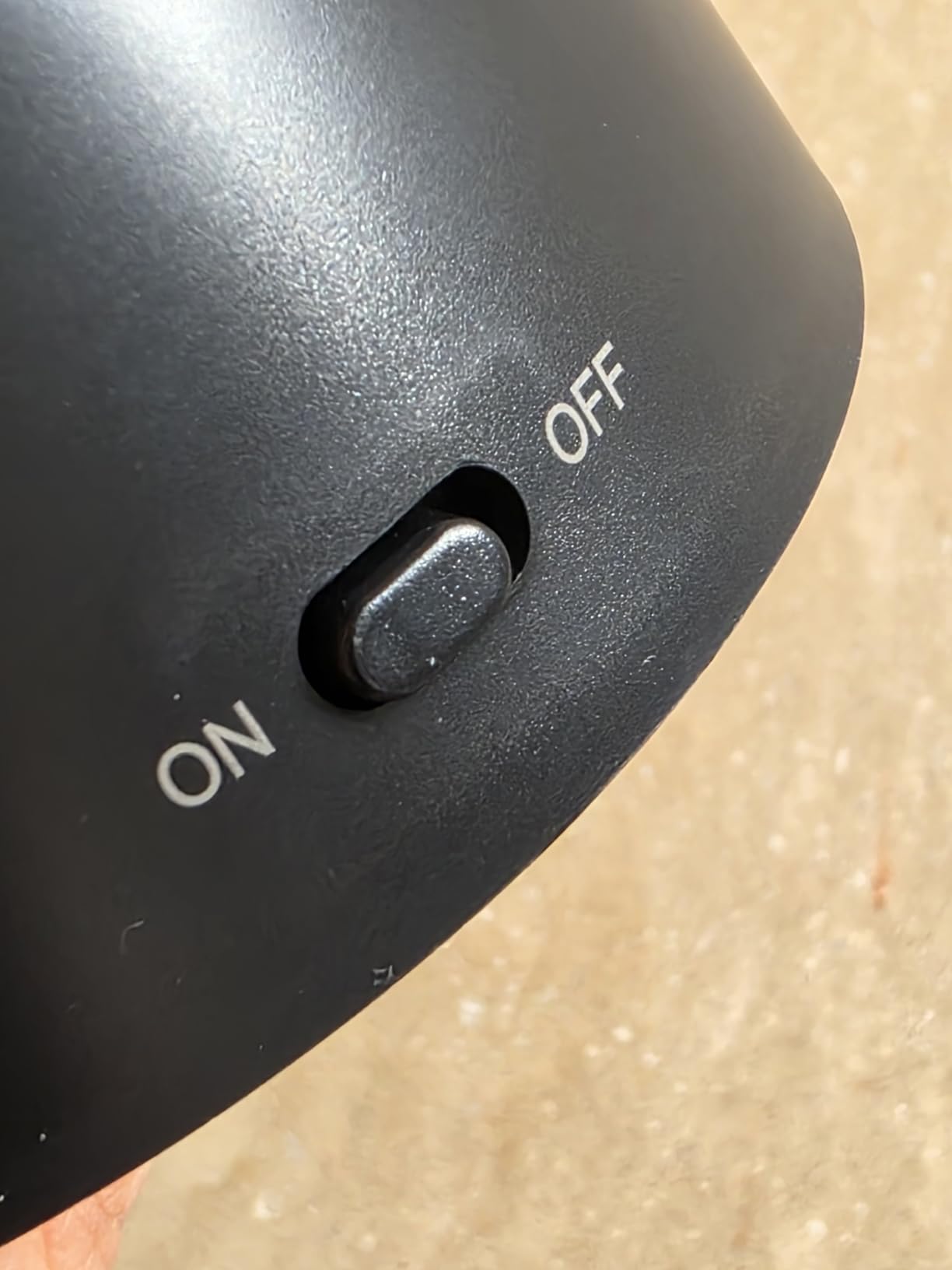
Specifications are sensible for the money: 45 hours of playback, under 40 milliseconds of claimed latency, 100 feet of range, Bluetooth 5.3, and a charging dock that doubles as a storage stand. The 3.5mm jack and button control are simple, and the lightweight build with soft breathable earcups is aimed at long sessions.
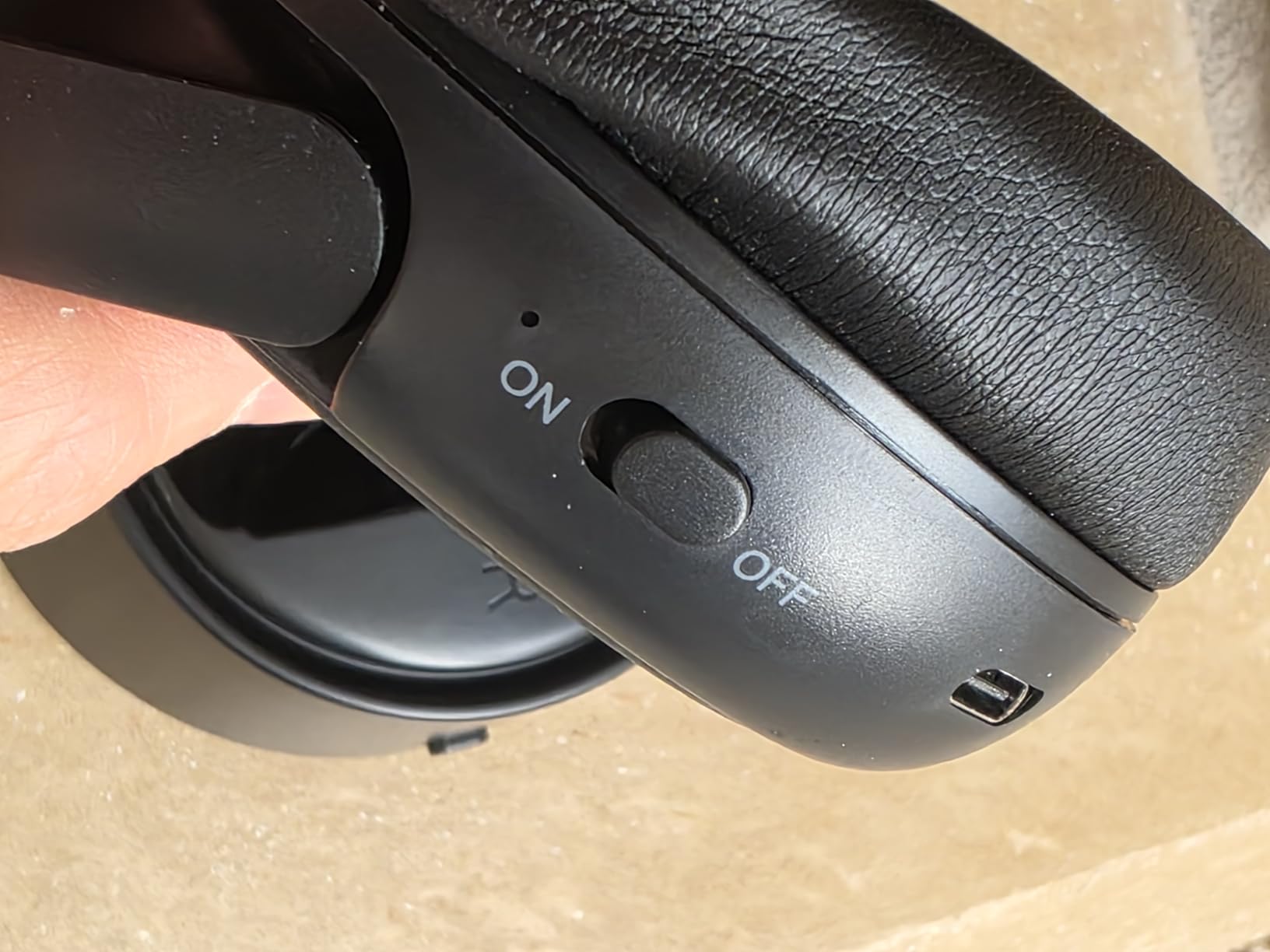
The listed use cases centre on clear dialogue for seniors and low latency for live sport, which are the two demands in this category that respond most directly to a good signal. There is a one year warranty, and the best-seller position in the over-ear category is stronger than the review count alone would suggest.
What you are giving up is transparency. With no optical or analogue input listed for the TV path, this set leans on the television’s own Bluetooth output, which is exactly the route that causes dropouts on some smart TVs.
Who this suits
This suits a first-time buyer who wants a cheap, uncomplicated upgrade from television speakers and does not want to run cables to a transmitter. If your TV has working Bluetooth audio output, the setup is essentially a pairing code.
It also suits a viewer of live sport, where a visible audio lag is more distracting than in a film and 45 hours of battery covers several matches.
Where it falls short
The absence of listed optical, AUX or RCA inputs is the important limitation. On a television without usable Bluetooth audio, this set has no fallback, and that is a common situation on older sets and on some streaming-only models.
There is no active noise cancellation, only passive isolation, and with 90 ratings you have less evidence about hinge and battery longevity than with the heavily reviewed sets. For a purchase you expect to last a decade, the evidence base is thinner than the rating suggests.
10. NOUUI Wireless TV Headphones with Transmitter Charging Base – Best for Multi-Week Battery Life
Wireless Headphones for TV Watching, TV Headphones Wireless for Seniors with Transmitter Charging Base, No Delay Bluetooth Headphones for TV for Hard of Hearing, Plug and Play, Gifts for Elderly
Bluetooth 5.4 at about 40ms
65 hour battery
100ft range
Optical AUX and RCA inputs
Pros
- 65 hour battery is the longest stated runtime in this roundup
- Bluetooth 5.4 with roughly 40ms latency keeps video in sync
- 100ft range reaches the kitchen without losing audio
- Transmitter base charges and stores the headphones automatically
Cons
- A full recharge takes around five hours
- Small review base of 103 ratings limits confidence in durability
- Active noise cancellation is listed but not praised in reviews
The NOUUI’s headline is endurance. A 65 hour battery at this level of performance is more than double what most dedicated TV headsets offer, and for someone who watches several hours a day without wanting to think about charging, that is the feature that decides the purchase. The full recharge takes around five hours, but with a battery this size you are topping up roughly twice a month rather than twice a week.
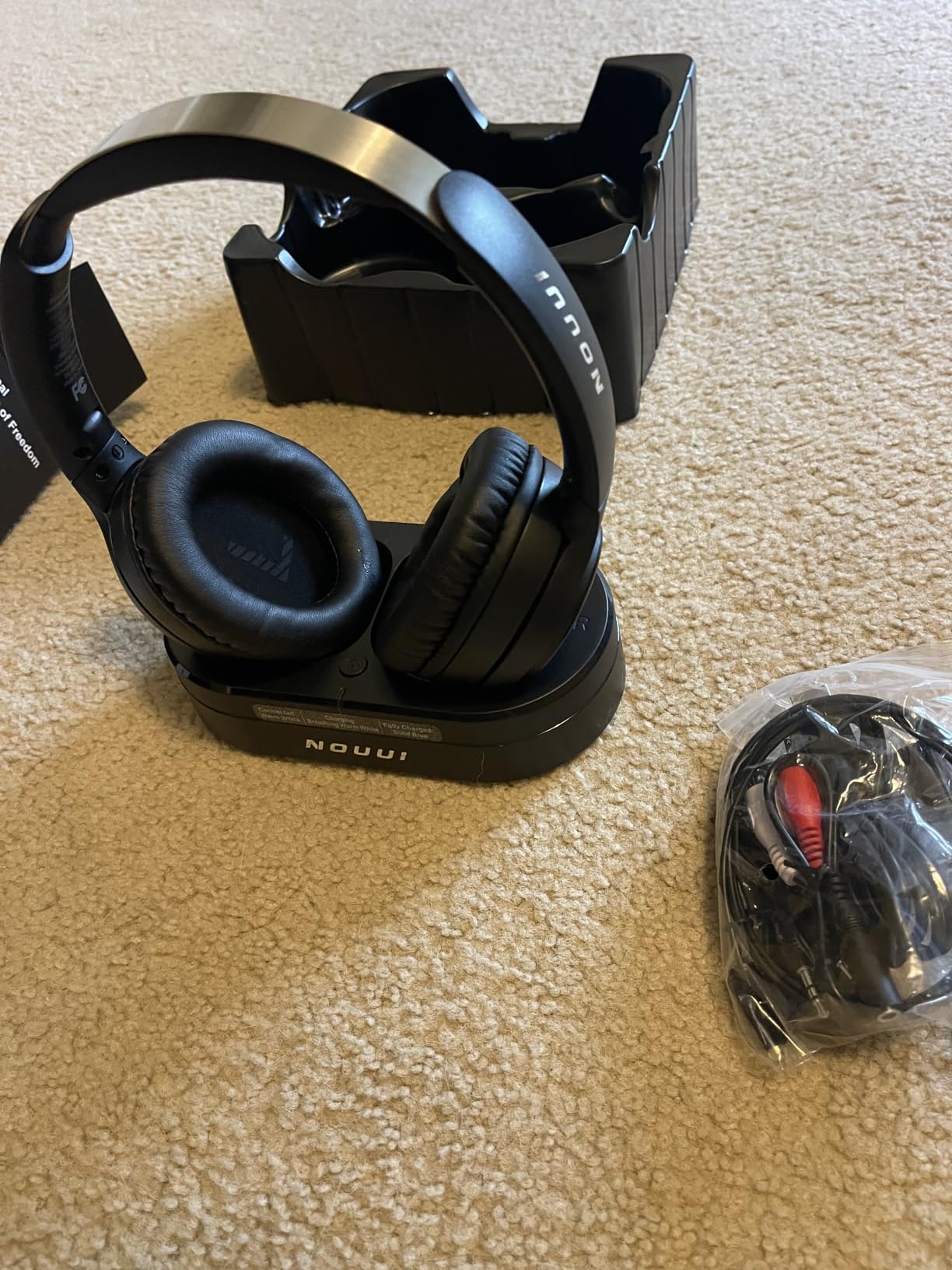
The connection is Bluetooth 5.4 with latency listed as low as 40 milliseconds, and the transmitter base accepts optical, 3.5mm AUX and RCA inputs alongside Bluetooth. Range is listed at 100 feet, which owners confirm reaches into the kitchen, and the base doubles as a storage dock so the headset has a home when it is not in use.
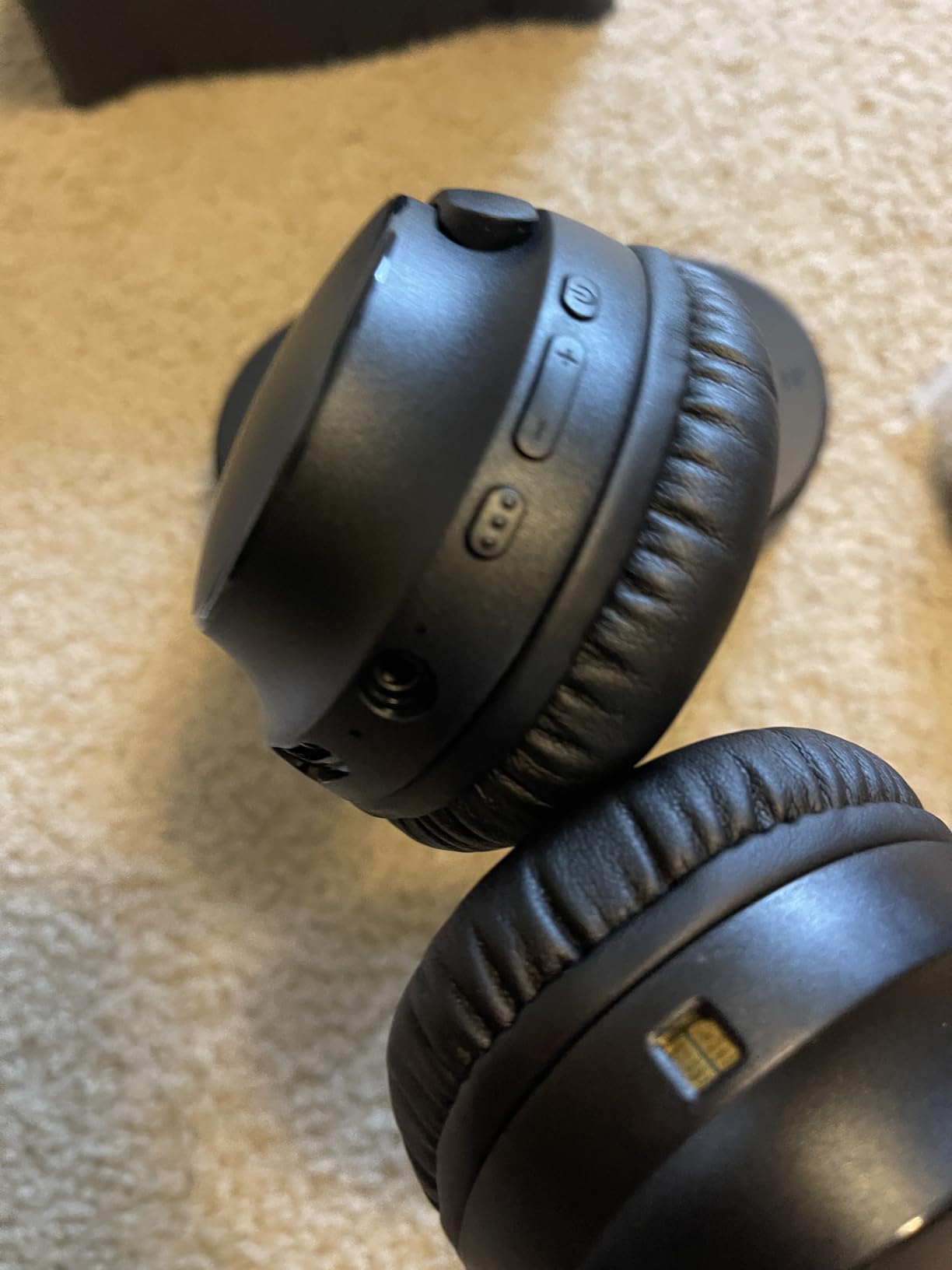
Noise-isolating protein leather cups are the comfort story here, and the set is marketed squarely at seniors and hard-of-hearing viewers, with personal volume control as the headline benefit. An 18 month warranty is longer than several competing budget systems offer.
The honest limitation is evidence. With 103 ratings and a 69 percent five-star share, Reception is broadly positive but less effusive than the higher-rated sets, and the 4.2 average sits below the group median. Active noise cancellation appears in the specification but is not something reviewers single out.
Who this suits
This suits a heavy viewer who forgets to charge things, and a buyer gifting a set to an older relative where the charging base solves the storage and charging problem in one object. The included optical, AUX and RCA options mean it covers most televisions regardless of what output they have.
It is also a sensible second set for a household, since the dock keeps two headsets organised in two rooms.
Where it falls short
The small review base means long-term durability is largely undocumented, and hardware failures are the recurring theme across budget sets in this category. If you want a decade-long purchase with a large body of owner feedback, the Sennheiser or Avantree systems are better evidenced.
A five hour charge cycle is the slowest relative to the battery size, and a Bluetooth path at 40 milliseconds is fine but not as immediate as the 2.4GHz RF models. Active noise cancellation is listed but does not appear in owner feedback as a strength, so treat it as a bonus rather than a feature to buy for.
Why RF Beats Bluetooth for TV Watching
The core issue is not Bluetooth in general, it is the codec. Standard Bluetooth audio uses SBC, a codec tuned for throughput and file size rather than speed, and it adds roughly 200 milliseconds of delay. Watch a talking head with a 200 millisecond offset and their lips move roughly a fifth of a second after the words arrive. That is the delay most people mean when they say wireless headphones are bad for TV.
aptX Low Latency, and to a lesser degree aptX Adaptive, exist specifically to cut that number. Systems built around them, including the Avantree HT41866, quote figures under 40 milliseconds. At that level the mismatch sits at or below the threshold where most viewers notice, which is why the aptX sets consistently score well for lip sync.
RF sidesteps the codec problem entirely. A 2.4GHz transmitter pushes a compressed signal straight to the headset with no re-negotiation and no handshaking, which is why the Avantree Duet and the MONODEAL can hold 30 to 40 milliseconds without any codec dependency. It is also why the community consensus in TV-focused threads keeps favouring a dedicated transmitter over pairing ordinary Bluetooth headphones to a television, and why anyone who already owns good low-latency Bluetooth headphones is advised in home theatre forums to add a transmitter rather than replace the headphones.
The practical difference shows up in two places. Sports and live events expose delay instantly because commentators and crowd noise slide out of time with the action. Dialogue-heavy drama hides it, and if you only watch films you may not notice a 100 millisecond offset at all. But once you have heard a properly synced system, the offset becomes the first thing you hear in the next one.
How to Connect a Transmitter to Your TV
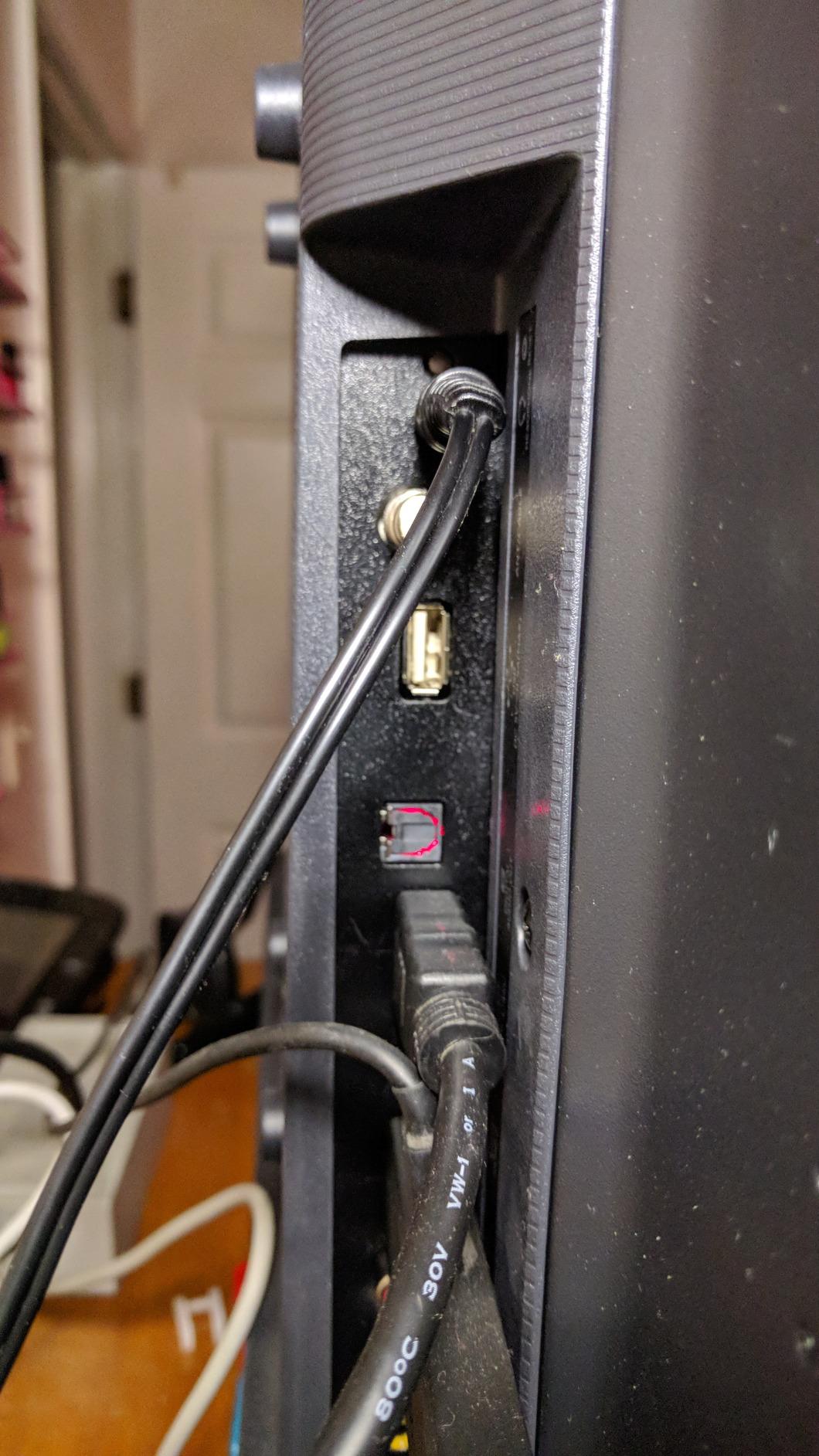
Most modern televisions have one or two usable audio outputs, and a good transmitter will accept at least one of them. Look at the back panel and identify the port before buying anything.
Optical (Toslink) is a square port with a hinged flap, usually labelled OPTICAL or DIGITAL AUDIO OUT. It is the best option: a digital signal with no quality loss and no hum. If your TV’s digital output format is set to Dolby Digital, some transmitters need it changed to PCM in the TV’s sound settings, so check that if you get silence.
RCA (red and white) are two round analogue sockets labelled AUDIO OUT or L/MONO and R. They work with almost any transmitter, but a long run can pick up hum that a digital link avoids.
3.5mm headphone jack is the simplest of all, but many televisions dropped it. Note that a headphone jack on a TV usually attenuates the signal and mutes the speakers, which you will want to check.
Bluetooth output is built into most smart TVs and streaming devices, and it is the route with the worst latency. Use it only if your set has no wired output, or if your transmitter is designed to pair with it.
Connect the transmitter to the television first, power it, then place the headphones on the charging dock to wake them. Audio normally appears within a second. If it does not, the TV’s selected output device is the usual culprit, and that leads straight into the next section.
How to Fix Audio Delay With Your TV’s Own Settings
If you are stuck with the television’s built-in Bluetooth, most sets ship with a lip-sync compensation slider. It cannot beat a 200 millisecond codec delay, but it can close most of the visible gap in a few seconds, for free.
Open the TV’s Settings or All Settings menu and find Sound, Audio or Output.
Look for Audio Sync, Lip Sync, Sound Delay or AV Sync Adjustment. The name varies by manufacturer.
Play a source with a talking person, such as any live news channel, and set the delay to zero.
Increase the delay in small steps until the mouth lines up with the voice, then stop.
If your set offers audio pass-through or a Game Mode with audio sync, that setting can apply the correction automatically to the built-in Bluetooth output.
If the menu has no such option, connect through the optical or RCA output to an external transmitter, which removes the problem instead of compensating for it. Streaming boxes such as Apple TV and Roku pass audio through the television, so a delay on the box is a delay you have to fix in the TV menu.
Buying Guide: Choosing Wireless TV Headphones
Start with latency, because everything else is secondary. Under 40 milliseconds is the practical target for lip sync. Figures are usually manufacturer-claimed rather than independently measured, so treat any number you see as a best case, and prefer RF systems where the delay does not depend on a codec at all. If your television only offers Bluetooth, check whether the headphones support aptX Low Latency, because a standard SBC link will be noticeably behind.
Check the ports before the features. An optical input is the most useful thing a transmitter can have, followed by RCA and 3.5mm. If a set lists only Bluetooth, you are relying on your television’s own implementation, which varies wildly between brands. A Samsung, LG or Sony Bravia television with Bluetooth audio output will usually work; an older set or a streaming-only device may not.
Decide how many listeners you need. Single-headset systems are cheaper and simpler. Dual systems, like the Avantree HT41899 and Duet, give each person independent volume, which ends the loudest-person-wins argument for good. A handful of multi-headphone systems support far more sets, but for a couple or a family, two is almost always enough.
Already own good Bluetooth headphones? Buy a transmitter. This is the most common question in home theatre forums and the most consistently useful advice. If you own a pair you like for music, a low-latency Bluetooth transmitter is cheaper than any complete system here and will give you a synced signal. The trade is that you lose the charging dock convenience and the personal volume control.
Battery and the dock go together. Runtime on these sets ranges from about 10 hours to 65 hours, and the difference is entirely down to size. A dock that charges and stores the headset is worth more than you would expect, because a dead headset at the start of a film is the most common complaint in this category. Check whether the dock charges when the television is off, since some only charge while the transmitter is powered.
Comfort decides whether you keep using it. Over-ear sets run warm and heavy, with weights from roughly 100 grams for in-ear neckbands to 1.25 kilograms for a full over-ear system. If you wear glasses, an in-ear or open stethoscope design clears the frame arms completely. For all-night viewing, a lightweight neckband beats a padded over-ear cup every time.
Hearing assistance needs honesty about volume. A personal volume control in the headset is the single most valuable feature for a hard-of-hearing listener, and sets like the ZUPVIY and Daysnew are built around it. But no consumer TV headset reaches the output level of a properly fitted hearing aid, and several owners report the ceiling being too low. If hearing loss is significant, talk to an audiologist before spending on any of these.
On closed-back versus open-back. Sealed cups block more sound from escaping, which is what you want in a shared room. Open designs let the room in and the sound out, which is more comfortable but louder for everyone else. Late-night viewing in a shared bedroom wants sealed; daytime viewing in a busy room wants a comfortable fit you can forget.
What comes next. Auracast, the Bluetooth broadcast standard, lets a single transmitter send audio to unlimited receivers, which would make dedicated multi-headphone TV systems largely redundant. It is arriving in televisions and streaming devices gradually, and none of the sets here support it yet. If you are buying today, buy for the connection type you have now rather than for a standard that is still rolling out.
For context on moving audio around a home rather than listening privately, our picks for wireless HDMI transmitters and soundbars with wireless subwoofers cover the cases where the problem is getting a signal to the TV rather than getting sound from it.
Frequently Asked Questions
What are the best headphones for watching TV?
For most people, a set that ships with a 2.4GHz RF transmitter dock or a Bluetooth link using aptX Low Latency is the right answer, because both keep audio-to-video delay under 40 milliseconds. Our top pick is the NUBWO HT02 with its charging base and 20 millisecond claimed latency, and the Avantree Duet is the strongest choice when two people need separate volume.
Can I use wireless headphones to watch TV?
Yes, as long as your television or an external transmitter can send audio to them. Most smart TVs have Bluetooth audio output, but standard Bluetooth adds 150 to 250 milliseconds of delay, which shows as out-of-sync dialogue. A dedicated transmitter connected to the optical or RCA output removes that delay almost entirely.
How can I fix Bluetooth audio lag on my TV?
Use the lip-sync compensation setting in the TV’s sound menu. Look for Audio Sync, Lip Sync, Sound Delay or AV Sync Adjustment, play a source with someone talking, and increase the delay in small steps until the mouth matches the voice. This reduces the visible offset but cannot remove codec delay, so a low-latency transmitter is the permanent fix.
Why do my wireless headphones have audio delay on a television?
Because standard Bluetooth uses the SBC codec, which is optimised for efficient transmission rather than speed, and it adds roughly 200 milliseconds. A television adds its own buffering on top of that. Codecs like aptX Low Latency cut the figure to under 40 milliseconds, and 2.4GHz RF systems avoid the codec issue altogether.
What are good wireless headphones for seniors to listen to TV?
Look for volume control built into the headset so a personal listening level does not disturb the room, large buttons that can be found by touch, and a sealed or comfortable pad for long sessions. The ZUPVIY and Daysnew sets in this roundup are built around personal volume, and the Sennheiser RS 5200 is the pick for the strongest speech clarity and simplest controls.
Is RF better than Bluetooth for TV headphones?
For watching television, usually yes. A 2.4GHz RF transmitter needs no pairing, will not drop out when a nearby wireless device interferes, and does not depend on a codec to stay in sync, which is why most sets in this roundup quote 30 to 40 milliseconds. Bluetooth wins on portability, since the same headphones also work with a phone.
Conclusion
Choose the connection type before the brand. A 2.4GHz RF transmitter or an aptX Low Latency Bluetooth link will keep dialogue in sync, while ordinary Bluetooth paired straight to a television will not. Our editor’s choice, the NUBWO HT02, combines a 20 millisecond claimed latency with a 60 hour battery and the largest owner base here, and the Avantree HT41899 covers the most common household need with two headphones and independent volume.
Whatever you pick, check the transmitter ports against the back of your television before checkout, and confirm whether the latency figure is measured or claimed. We update this guide for 2026 as new systems and standards arrive.