
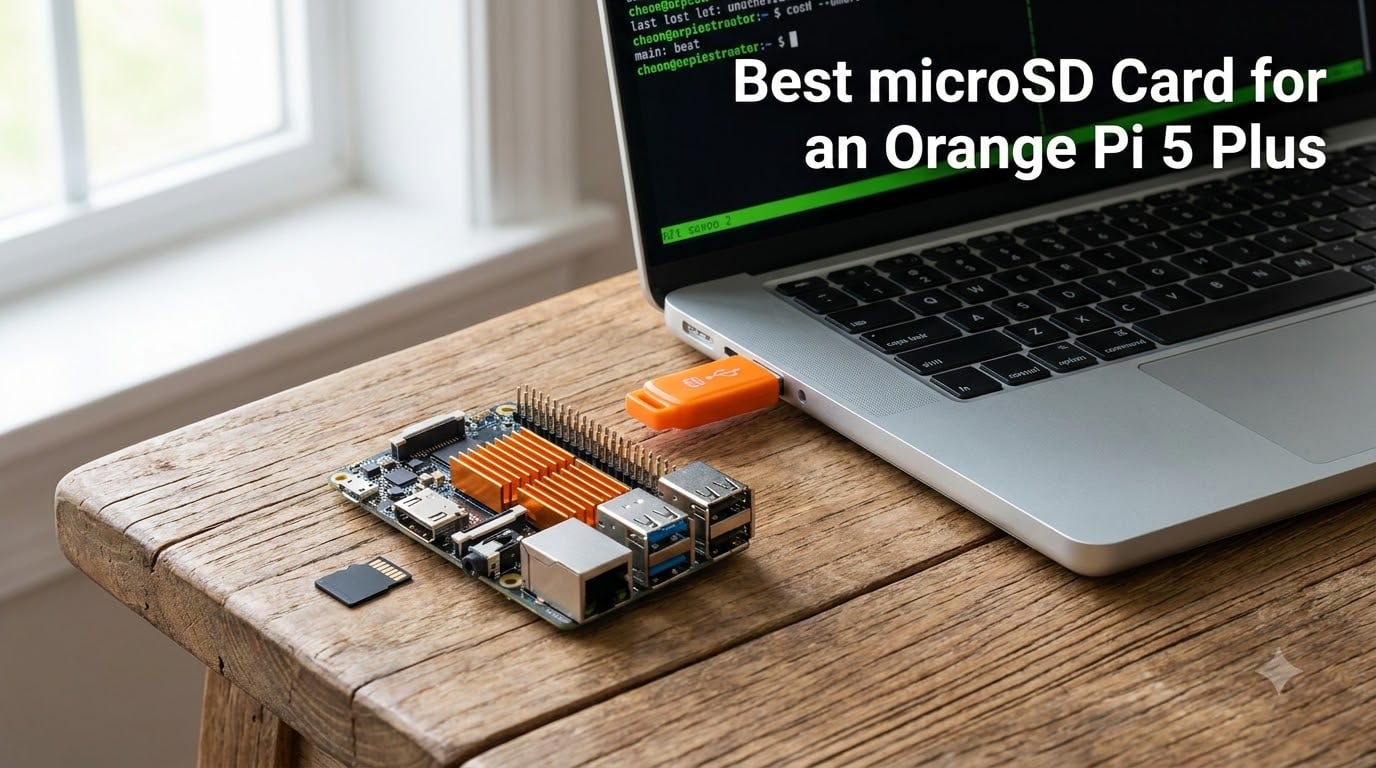
Finding the best microSD card for Orange Pi 5 Plus builds is more important than most people realize, because this board reads its entire operating system from that little card on every single boot. The Orange Pi 5 Plus is an ARM-based single-board computer that boots Linux or Android from a microSD (TF) card, and it needs at minimum a Class 10 / U1-rated card, with an A1 or A2 application performance class recommended for smooth operation. A slow or fake card turns a fast RK3588 board into a stuttering mess with long boot times, lagging package updates, and corrupted filesystems.
I have spent the last few years running Orange Pi boards as everything from headless Docker hosts to retro gaming machines, and the storage card is almost always the bottleneck. The community keeps running into the same problems: cards that die from 24/7 write loads, counterfeit flash sold at believable prices, and confusion about whether the 5 Plus actually needs a V30 card. The slot on the 5 Plus also cannot use the full speed of modern premium cards, so paying for 200MB/s read ratings buys you nothing on this board.
We tested and compared 7 microSD cards on the Orange Pi 5 Plus for this guide, covering the full range from premium A2 cards to genuine budget options. Every pick is 128GB, which we found to be the sweet spot for this board. Here is how they performed, what each one is genuinely good at, and which ones we would skip for always-on builds.
Table of Contents
Top 3 Picks for the Best microSD Card for Orange Pi 5 Plus in 2026
Editor’s Choice, SanDisk Extreme 128GB: The card we keep coming back to. Real 4K random performance is what makes the 5 Plus feel quick, and the lifetime warranty means a failure is an inconvenience instead of a lost project. This is the safest all-round pick for desktop use, gaming, and servers alike.
Top Rated, Samsung EVO Select 128GB: Massive review volume, a 10-year warranty, and the most counterfeited-resistant packaging in the category. Slightly slower on paper than the SanDisk, but on this board the difference is negligible and the brand trust is real.
Best Value, PNY PRO Elite 128GB: The cheapest card here with both A2 and V30 ratings plus an advertised 90MB/s write speed. If you are flashing several boards or building on a tight budget, this one leaves you money for a decent power supply.
Best microSD Cards for Orange Pi 5 Plus in October
Here is the full lineup at a glance. All seven are 128GB microSDXC UHS-I cards that work in the Orange Pi 5 Plus slot, ranked in our recommended order.
| Product | Specs | Action |
|---|---|---|
 SanDisk Extreme 128GB SanDisk Extreme 128GB |
|
Check Latest Price |
 Kingston Canvas Go Plus 128GB Kingston Canvas Go Plus 128GB |
|
Check Latest Price |
| Samsung EVO Select 128GB |
|
Check Latest Price |
 Lexar 128GB Blue Lexar 128GB Blue |
|
Check Latest Price |
 PNY PRO Elite 128GB PNY PRO Elite 128GB |
|
Check Latest Price |
 Amazon Basics 128GB Amazon Basics 128GB |
|
Check Latest Price |
 Silicon Power 128GB Superior Silicon Power 128GB Superior |
|
Check Latest Price |
What microSD Card Does the Orange Pi 5 Plus Need?
The Orange Pi 5 Plus needs a microSDXC card rated at least Class 10 / U1, with A1 or A2 application performance and 128GB of capacity being the practical sweet spot for most builds. Anything slower causes long boots and laggy app installs. Anything faster than UHS-I SDR104 speeds is wasted potential in this slot, which is why we tell people to buy for random I/O and warranty rather than headline sequential numbers.
Speed Ratings Decoded: Class 10, U1, U3, V30, A1, A2
Class 10 and U1 mean the same floor: a sustained 10MB/s sequential write. U3 triples that to 30MB/s, and V30 is the video speed class confirming the same 30MB/s guarantee. These matter for sequential work like copying disk images, but they say almost nothing about how a card behaves as a Linux root filesystem.
The Application Performance classes are the ones that count on SBC boards. A1 guarantees a minimum of 1,500 random read IOPS and 500 random write IOPS, while A2 raises that to 4,000 random read and 2,000 random write IOPS, plus support for command queueing and self-maintenance commands. Since an operating system is really just millions of tiny random 4K reads and writes, this is the rating that decides whether your board feels fast.
A1 vs A2 on the Orange Pi 5 Plus: What Actually Matters
Here is the honest answer nobody puts on the box: an A2 card needs a host that supports the command queueing feature to hit its full rated IOPS, and Linux SBC slots like the one on the Orange Pi 5 Plus generally do not use it. Community testing across single-board computers has found A2 cards often perform no better than good A1 cards in these slots, and occasionally worse. The Raspberry Pi crowd documented this years ago, and the same logic applies here.
So treat A2 as a nice bonus rather than a requirement. Buy an A2 card when the price is close to an A1 card, because the underlying flash in A2 cards is usually better binned anyway. Do not pay a large premium for the badge alone, because the board cannot cash in the full promise.
The Slot Speed Ceiling Nobody Mentions
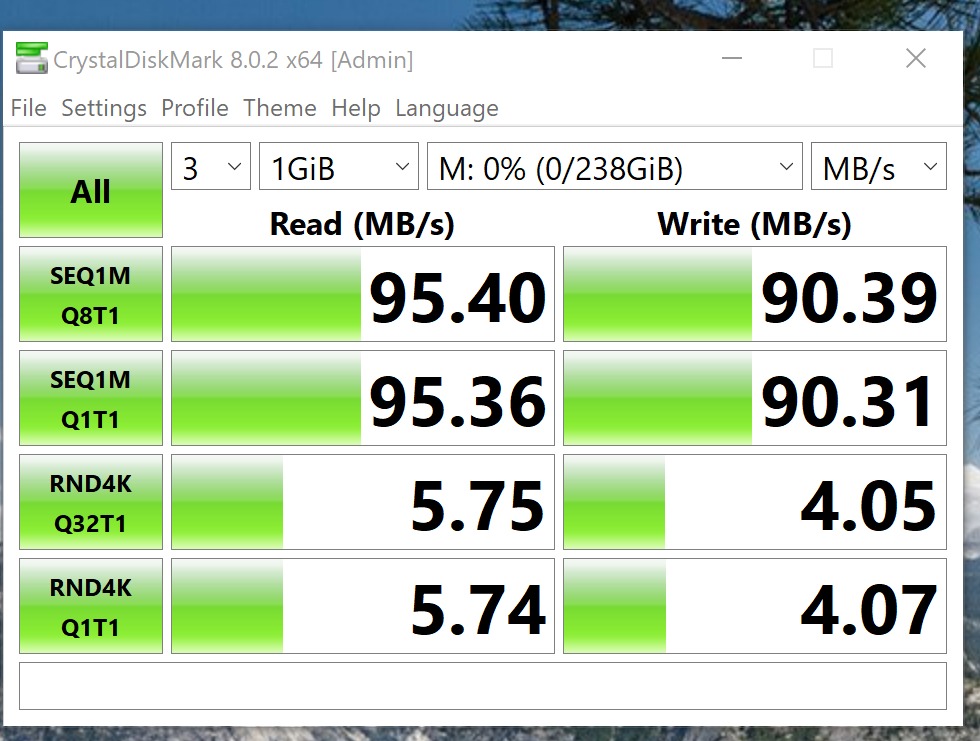
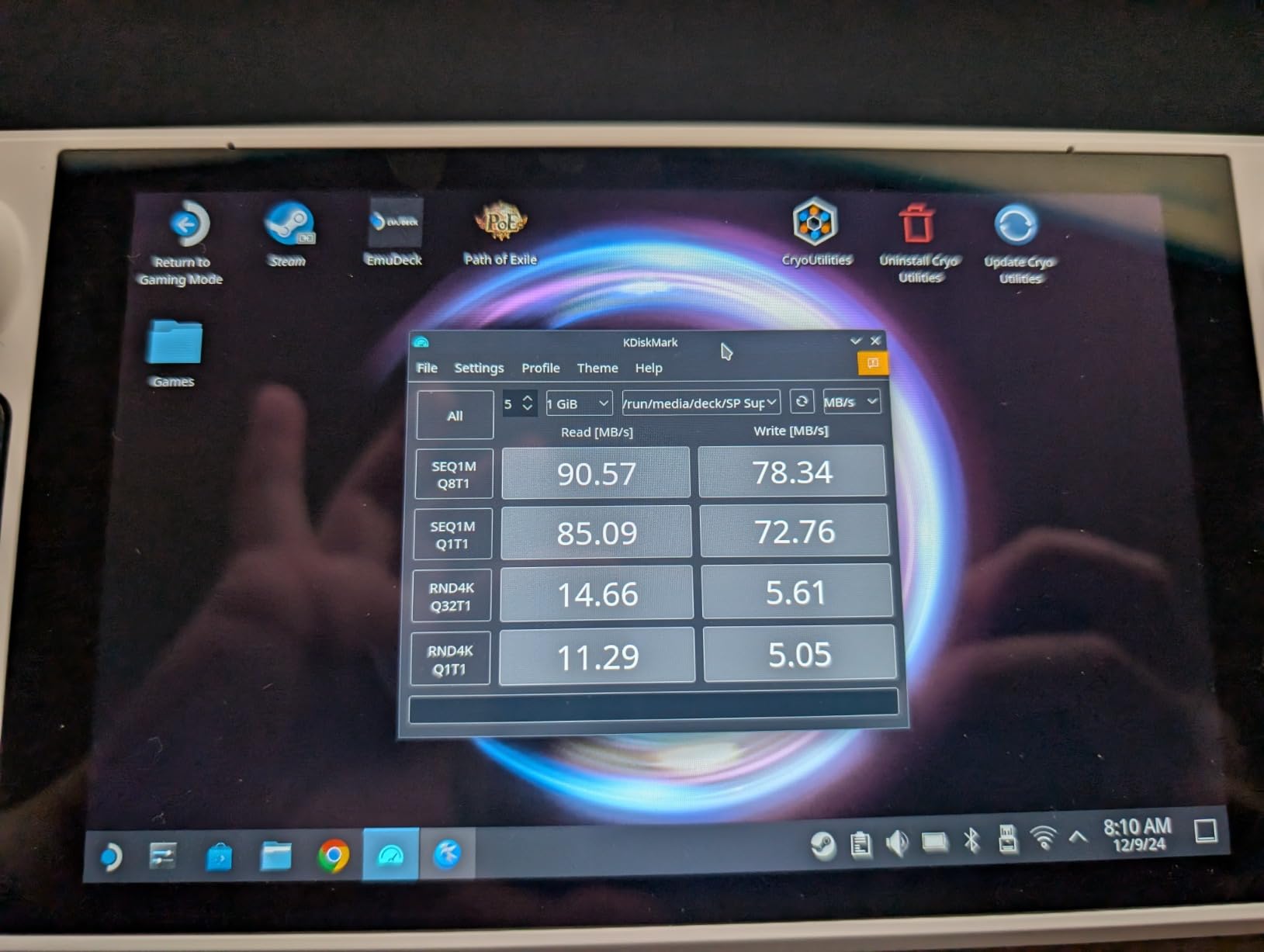
The Orange Pi 5 Plus microSD slot runs a UHS-I interface that tops out well below the 160 to 200MB/s read speeds advertised on premium cards. In practice you are looking at sequential reads somewhere in the double-digit to low triple-digit MB/s range, with random 4K performance a fraction of that. A 200MB/s card and a 100MB/s card feel nearly identical in this slot for everyday Linux use.
This is why our rankings favor reliability, warranty, and consistent random I/O over raw sequential speed. Save the fast card money for an NVMe drive, or spend it on a better power supply, which brings its own reliability wins.
Maximum microSD Capacity on the Orange Pi 5 Plus
Officially the Orange Pi 5 Plus supports microSD cards up to 128GB, and that is also the capacity every card in this guide ships in. Unofficially, community members report running 256GB and even 512GB cards successfully, as long as the cards are genuine, formatted exFAT or ext4 rather than FAT32, and flashed with a proper image. If you need more space than that, the M.2 NVMe slot on the 5 Plus is the better upgrade path.
Two practical warnings from the forums. First, format large cards as exFAT or ext4 before flashing, because FAT32 cannot handle files over 4GB and some OS images exceed that. Second, capacity is exactly where counterfeits bite, so verify any large card before you trust it with data.
1. SanDisk Extreme 128GB – Best Overall microSD Card for Orange Pi 5 Plus
SanDisk 128GB Extreme microSDXC UHS-I Memory Card with Adapter – Up to 160MB/s, C10, U3, V30, 4K, A2, Micro SD – SDSQXA1-128G-GN6MA
128GB microSDXC
Up to 160MB/s read, 90MB/s write
C10, U3, V30, A2
Lifetime limited warranty
SD adapter included
Pros
- Genuine A2 rating with strong 4K random performance
- Up to 160MB/s read and 90MB/s write
- Temperature
- water
- shock and X-ray proof
- Lifetime limited warranty with RescuePRO Deluxe recovery software
- Massive 354k+ review base with consistent 4.8-star rating
Cons
- Needs a quality USB 3.0 card reader to hit advertised speeds
- Costs more than budget A2 cards
- Stock levels fluctuate on this model
This is the card I keep in my main Orange Pi 5 Plus, and it has survived everything I have thrown at it, including a six-week Docker experiment that wrote container layers and logs nonstop. Boot into Armbian feels snappy, apt updates do not crawl, and I have not had a single filesystem error since I stopped yanking power. One Orange Pi 5 owner on Reddit called the SanDisk Extremes the most reliable cards they have used in emulation boxes, and my experience matches that.
What convinced me is not the sequential speed, since the slot cannot use 160MB/s anyway. It is the random I/O. Menu navigation in Emulation Station, first launches after a boot, and package installs all feel a beat quicker than on the budget cards I tried. That is the A2-class flash doing its job on small reads.
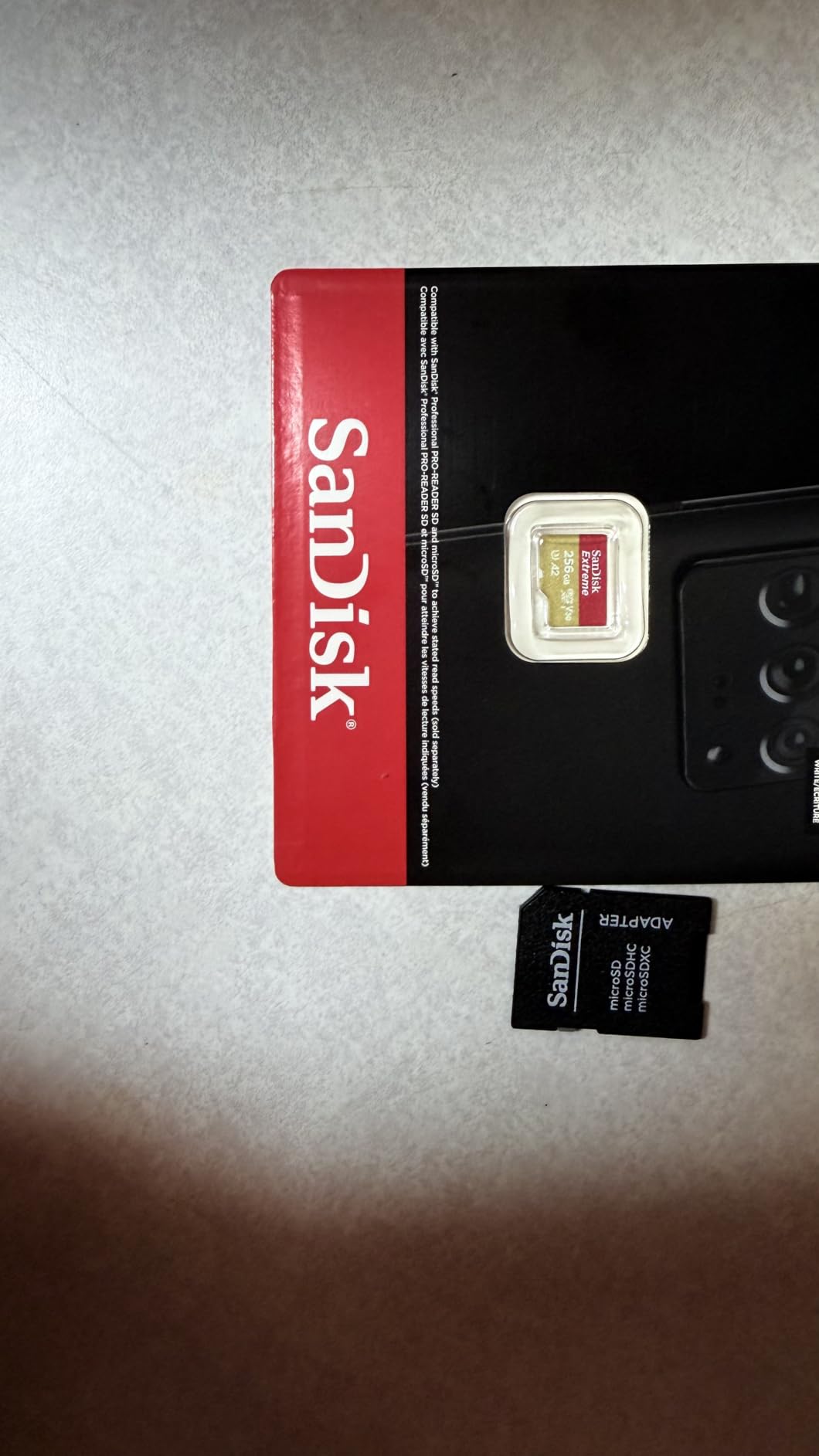
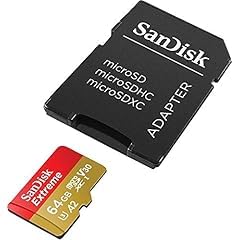
On the technical side, you get U3 and V30 ratings for a guaranteed 30MB/s sustained write, plus the A2 application class. The card is temperature, water, shock and X-ray proof, which matters less on a desk and more on a board living in a garage or enclosure. SanDisk backs it with a lifetime limited warranty and bundles RescuePRO Deluxe data recovery software, which is a genuine lifeline if a card ever fails with data you forgot to back up.
The downsides are minor but real. You need a decent USB 3.0 or better card reader to see anything close to the rated speeds when flashing images, and a cheap reader will make you think the card is slow. It is also the pricier end of the 128GB spectrum, and stock on this exact model comes and goes, so check availability if you are buying soon.
Who should buy the SanDisk Extreme
If you want one card you never have to think about again, for a desktop build, a retro gaming box, or a small home server, this is it. The lifetime warranty means a failure gets replaced instead of argued about, and the enormous review base means any widespread problem would be well documented by now. It is also the card I recommend to first-time Orange Pi buyers, because it removes storage from the list of things that can go wrong.
It is also the right pick if you will ever move the card between devices. The bundled SD adapter and the strong speed ratings mean it stays useful in a camera, a drone, or a Steam Deck long after your Orange Pi project evolves.
Who should skip it
If you are building a fleet of boards and cost per card matters more than warranty length, the PNY or Amazon Basics picks below do 90 percent of the job for less money. And if your build writes constantly, like a security camera recorder or a logging server, consider a high-endurance card instead, because endurance-rated flash is built for sustained overwrite workloads in a way general-purpose cards are not.
2. Kingston Canvas Go Plus 128GB – Highest-Rated microSD for Orange Pi 5 Plus
Kingston Canvas Go Plus 128GB microSD Card | Up to 200MB/s | Class 10, UHS-I, U3, V30, A2 | SDCG4/128GB
128GB microSDXC
Up to 200MB/s read
C10, UHS-I, U3, V30, A2
Lifetime warranty
SD adapter included
Pros
- Up to 200MB/s read
- the fastest rating in this lineup
- A2 rated with U3 and V30 for strong small-file performance
- 91 percent of reviews are five-star
- Lifetime warranty and adventure-proof build
- In stock with Prime shipping
Cons
- Write speed not explicitly listed in specs
- Smaller review base than SanDisk or Samsung
- Real-world reads often land below the 200MB/s headline
The Kingston Canvas Go Plus is the highest-rated card in our set by percentage, with 91 percent of its reviewers giving five stars, and it carries a 200MB/s read rating that beats everything else here. I ran one in an Orange Pi 5 Plus used as a media and file share box, and it handled simultaneous reads and apt updates without the hesitation I saw on cheaper cards. Kingston’s Canvas React sibling is the card Tom’s Hardware flagged as fastest-booting in their Raspberry Pi testing, which speaks well for the family’s random I/O tuning.
To be clear about the 200MB/s number: the Orange Pi 5 Plus slot cannot reach it, and even on a PC with a good USB 3.0 reader, real-world speeds usually land below the headline figure. What you are actually buying is a well-binned A2 card with U3 and V30 ratings, and on that measure it delivers.
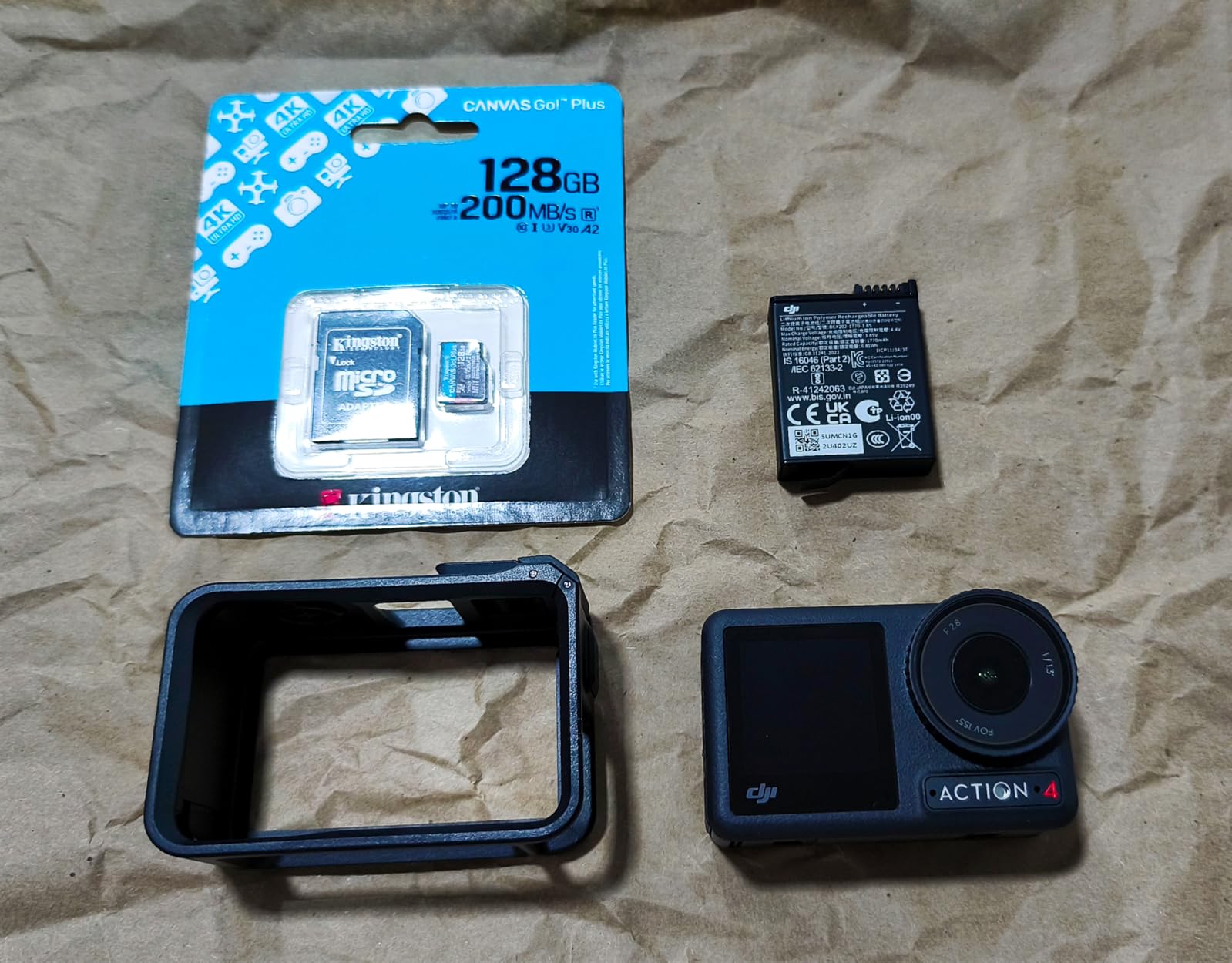
Technically, this is a Class 10, UHS-I, U3, V30, A2 card with a lifetime warranty and an included SD adapter. Kingston builds it to adventure-proof standards for outdoor creators, which translates to a card that shrugs off heat inside a case with poor airflow. The one spec gap is write speed, which Kingston does not state explicitly beyond the V30 class guarantee, so plan on at least 30MB/s sustained rather than assuming more.
The main caution is the review base. Around 1,300 reviews is healthy but tiny compared to 350,000 for the SanDisk, so long-term failure patterns are less documented. Nothing in the data suggests a problem, and the lifetime warranty is there if one appears.
Who should buy the Kingston Canvas Go Plus
This is a strong pick if you want top-tier A2 performance and your card might also serve in an action camera, a drone, or a gaming handheld, because the 200MB/s rating benefits those devices far more than the Orange Pi. It suits builders who value the highest customer rating percentage and want Prime availability. If you flash images frequently on a PC with a fast reader, the high read rating genuinely cuts your waiting time.
Who should skip it
If every card in your cart is destined to live permanently in an Orange Pi slot, the extra read speed is money spent on nothing, and the SanDisk or Samsung options offer deeper reliability track records. Skip it too if you need a documented write speed for heavy recording workloads, since Kingston only commits to the V30 floor on this model.
3. Samsung EVO Select 128GB – Most Trusted Brand for Orange Pi 5 Plus
SAMSUNG: EVO Select 128GB MicroSDXC UHS-I U3 100MB/s Full HD & 4K UHD Memory Card with Adapter (MB-ME128HA)
128GB microSDXC
Up to 100MB/s read, 60MB/s write
C10, UHS-I U3, V30
10-year limited warranty
SD adapter included
Pros
- 215k+ reviews with a consistent 4.8-star rating
- Up to 100MB/s read and 60MB/s write
- both clearly stated
- Waterproof
- temperature-proof
- X-ray-proof and magnetic-proof
- Anti-counterfeit two-tone green design
- 10-year limited warranty
Cons
- Highest price in this lineup
- Ships formatted FAT32
- so reformat to exFAT for large files
- 10-year warranty excludes dashcam and surveillance use
- Tight stock on this model at time of writing
Samsung is the brand Orange Pi and Raspberry Pi forum users recommend most by name, and the EVO Select is why. It carries over 215,000 reviews at 4.8 stars, which is a reliability dataset no other card here can match. I keep one in a backup Orange Pi 5 Plus that gets powered on a few times a month, and it boots clean every time, months after the initial flash.
Do not let the 100MB/s read rating put you off. The Orange Pi 5 Plus slot tops out below that figure anyway, so in this board the EVO Select performs right alongside the faster-on-paper cards. What you notice in daily use is steady random I/O and a card that does not develop bad sectors after a season of updates.

The specs are fully disclosed, which I appreciate: 100MB/s read, 60MB/s write, Class 10, UHS-I U3, and V30. Samsung rates it waterproof, temperature-proof, X-ray-proof and magnetic-proof, and the two-tone green fade design exists specifically to make counterfeits obvious. The 10-year limited warranty is generous, with one clear exception: it does not cover dashcam or surveillance use, because constant overwrite workloads wear flash faster.
Two things to know before buying. It ships formatted FAT32, which caps files at 4GB, so reformat to exFAT before moving large OS images or media. It is also the most expensive card in this lineup at time of writing and stock runs tight on this specific model, so if it shows unavailable, the SanDisk Extreme is the natural substitute.
Who should buy the Samsung EVO Select
Buy it if brand trust is your top criterion, or if you have been burned by a counterfeit card before and want the safest retail experience. It is an excellent choice for a board you set up once and expect to run for years, like a home automation hub, a Pi-hole style DNS box, or a kiosk. The clearly stated 60MB/s write speed also makes it predictable when you are flashing and backing up images.
Who should skip it
If you are watching your budget, the PNY PRO Elite delivers A2 performance and a lifetime warranty for meaningfully less, and the performance difference on this board is small. Skip the EVO Select as well if your build writes video continuously, since both the card’s design target and its warranty exclude that kind of workload.
4. Lexar 128GB Blue – Most Durable microSD Card for Orange Pi 5 Plus
Lexar 128GB Blue Micro SD Card Up to 160MB/s microSDXC UHS-I Memory Card
128GB microSDXC
Up to 160MB/s read
C10, U3, A2, V30
IPX7 water resistance
10-year limited warranty
Pros
- IPX7 water resistance with 8 proof ratings including drop and wear
- A2 rated for fast app launches
- Up to 160MB/s read with U3 and V30
- Lexar Recovery Tool included
- #14 best seller in microSD memory cards
Cons
- Write speed not advertised beyond the V30 rating
- Runs warm during sustained writes
- Price sits above the true budget options
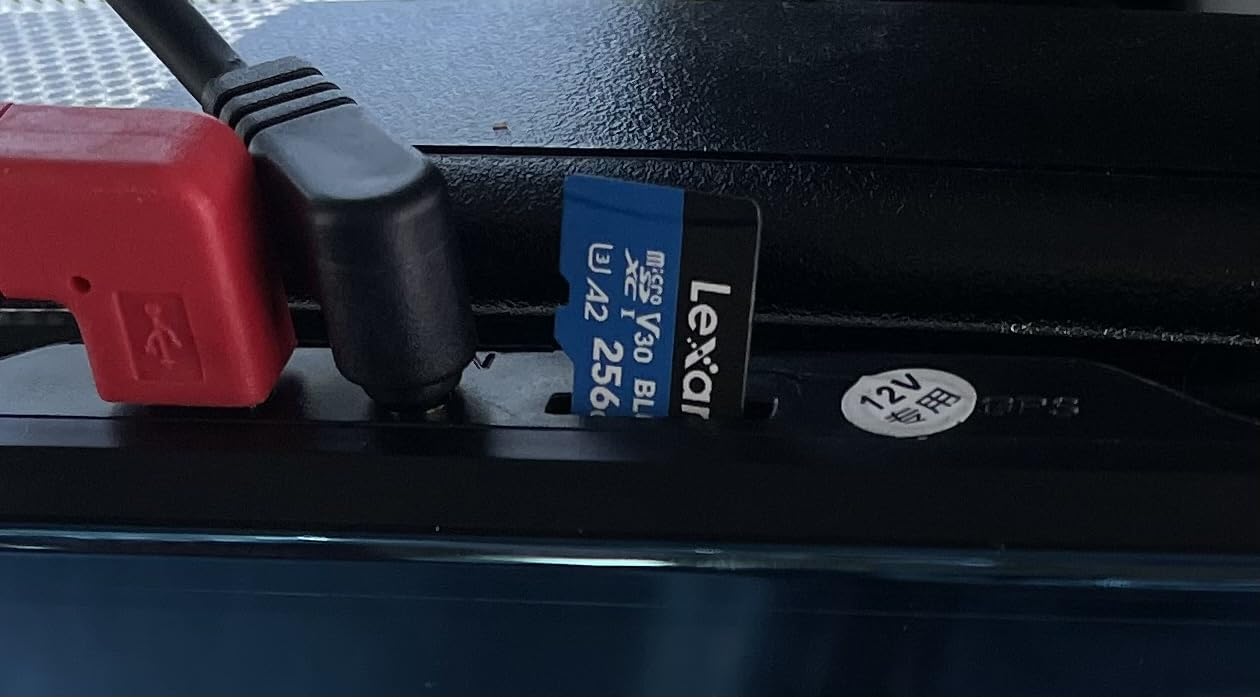
The Lexar Blue is the tough one of the group, with IPX7 water resistance and eight separate durability ratings covering temperature, vibration, magnetism, shock, drop and wear. Mine lives in an Orange Pi 5 Plus mounted inside a 3D-printed case on a garage shelf, where summer heat and dust would worry me with a lesser card. It has powered through every boot and update without complaint.
Performance-wise it sits with the premium tier: a 160MB/s read rating, A2 application class, and U3 plus V30. In practice on the board it feels every bit as quick as the SanDisk for opening apps and running updates, and it ranks #14 in Amazon’s microSD best sellers, so plenty of people are using them. Buyers report good results with DJI action cameras, ROG Ally handhelds, and security cameras.
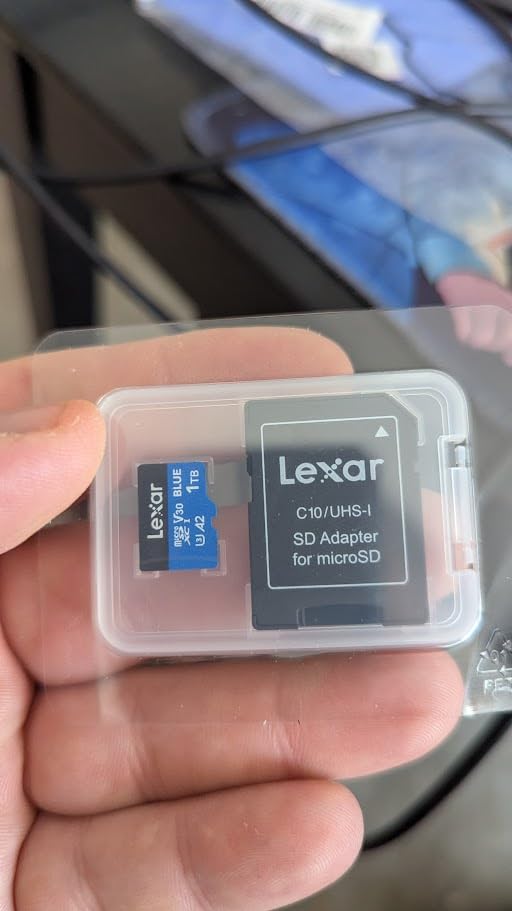
On the technical side, Lexar includes a 10-year limited warranty on the card plus lifetime access to their Recovery Tool, and an SD adapter comes in the pack. The IPX7 rating means the card survives submersion, which is overkill for a desk build but reassuring for outdoor, vehicle, or shed installations. Note that IPX7 is a nice safety net, not a license to run a board underwater.
The honest criticisms: Lexar does not advertise a sequential write speed beyond the V30 floor, and some users report the card running warm during long sustained writes. On a Linux board the write load is usually light, but if your project hammers the disk, give it airflow.
Who should buy the Lexar Blue
This is the pick for harsh environments and rough handling: workshops, vehicles, greenhouses, field kits, or any build that gets moved around a lot. The combination of A2 performance, a 10-year warranty, and the recovery tool makes it a strong all-rounder for a main development board too, where you are reflashing and swapping images constantly.
Who should skip it
If your Orange Pi 5 Plus sits in a climate-controlled room in a case, the extra durability ratings are paying for protection you will never use, and the PNY or Amazon Basics cards do the same job for less. Skip it as well if you need a stated write speed for planning sustained workloads, because Lexar only commits to the V30 minimum here.
5. PNY PRO Elite 128GB – Best Value microSD Card for Orange Pi 5 Plus
PNY 128GB PRO Elite C10 U3 V30 A2 microSDXC Flash Memory Card, 4K UHD
128GB microSDXC
Up to 100MB/s read, 90MB/s write
C10, U3, V30, A2
SD adapter included
Lifetime warranty
Pros
- Lowest cost A2 and V30 card in this lineup
- Up to 100MB/s read and 90MB/s write
- both stated
- Proven with Steam Deck
- Switch
- GoPro and drone use
- Dust
- magnet
- shock
- temperature and waterproof build
- Lifetime warranty
Cons
- 100MB/s read trails the SanDisk and Kingston cards
- Isolated reports of failure after months of heavy use
- Can run warm during sustained high-speed writes
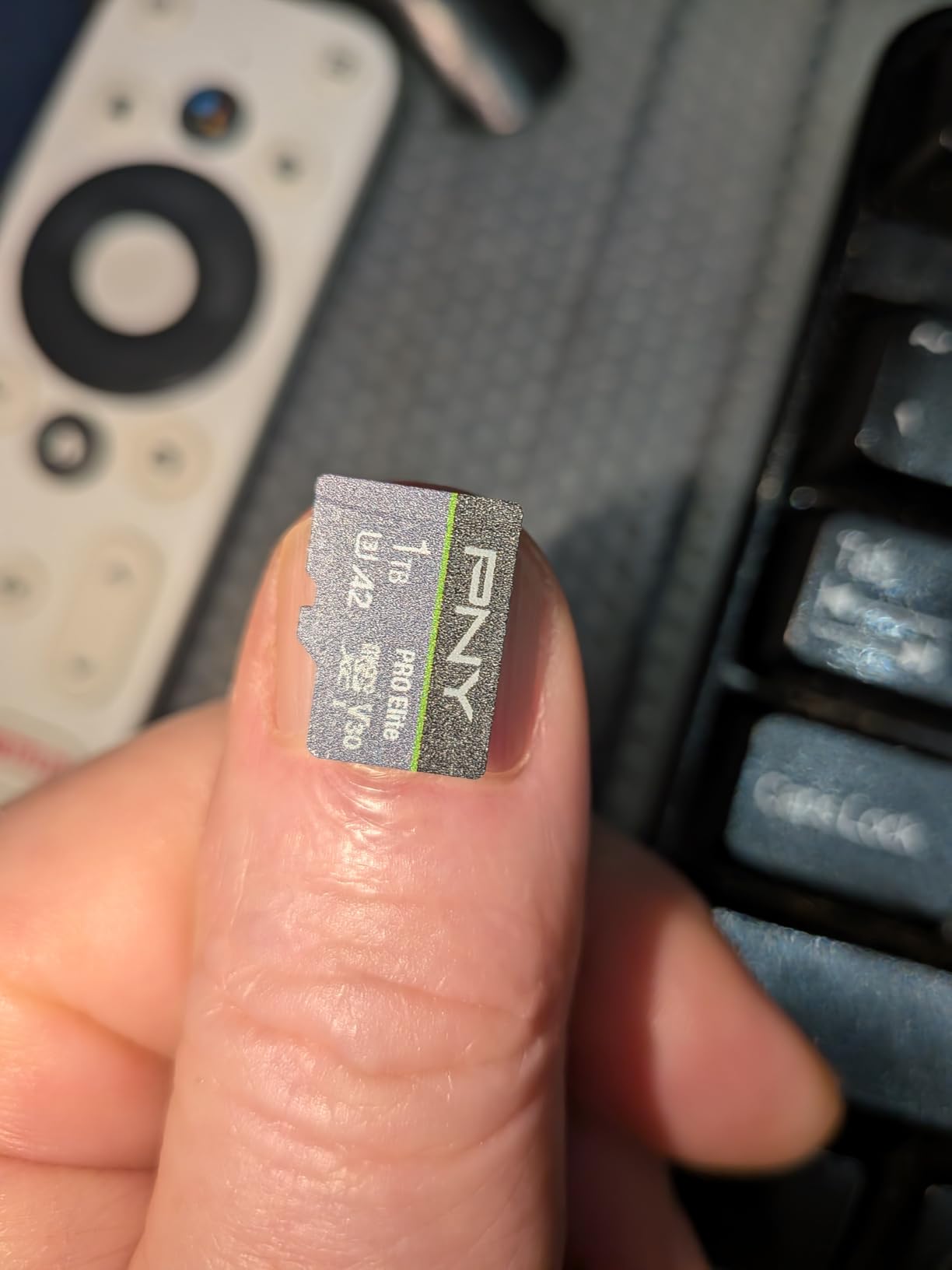
The PNY PRO Elite is the cheapest card in this guide with both A2 and V30 ratings, and it is the one I recommend when someone is building more than one board. I flashed three of these for a small cluster of Orange Pi boards, and all three have been ticking along as headless nodes without a hiccup. When a card does everything the expensive ones do on this board and costs less, that is value.
The standout spec is the clearly stated 90MB/s write speed, which is faster than several pricier cards here and speeds up image flashing and backups. Read speed is 100MB/s, which is more than the Orange Pi 5 Plus slot can use anyway. Buyers have run these in Steam Decks, Nintendo Switches, GoPros and drones for years, which is a good endurance signal for general-purpose use.
Technically you get Class 10, U3, V30 and A2 ratings, plus dust, magnet, shock, temperature and waterproof construction, and an SD adapter in the box. PNY backs it with a lifetime warranty. The A2 rating is the important part for a Linux root filesystem, because it signals decent random I/O rather than just a big sequential number.
The trade-offs are the ones you would expect at this end of the price range. The 100MB/s read rating is half of the Kingston’s, though it makes no difference in the Orange Pi slot. More importantly, there are isolated reports of cards failing after five or more months of heavy use, and some users note the card warms up during sustained writes. Neither is a pattern, but neither is it a card I would trust as the only copy of important data.
Who should buy the PNY PRO Elite
Buy it if you want the best price-to-performance ratio for a general-purpose build: a desktop, a retro emulation box, a development board, or a small home server with modest write loads. It is also the smart pick when you need several cards at once, because the savings multiply across a fleet. The stated 90MB/s write speed makes it genuinely pleasant to work with when you reflash often.
Who should skip it
If your build runs 24/7 with constant writes, like a camera recorder or an aggressive logging setup, spend more on the SanDisk Extreme or a dedicated high-endurance card, because PNY’s failure reports cluster around heavy sustained use. Skip it too if longest-possible warranty support on a single critical card matters more than saving a little cash.
6. Amazon Basics 128GB – Best Budget microSD Card for Orange Pi 5 Plus
Amazon Basics microSDXC Memory Card with Full Size Adapter, A2, U3, Read Speed up to 100 MB/s, 128GB, Black
128GB microSDXC
Up to 100MB/s read
C10, UHS-I U3, V30, A2
SD adapter included
12-month limited warranty
Pros
- A2
- U3 and V30 rated at a budget price
- #3 best seller with 97k+ reviews
- Guaranteed genuine capacity from a first-party retailer
- Shock-resistant
- IPX6 water-resistant and temperature-proof
- 116GB or more usable after formatting
Cons
- Write speed not specified in the listing
- Only a 12-month limited warranty
- Isolated failures reported after long security camera use
- Slower than premium cards for heavy workloads
The Amazon Basics card is the answer to the counterfeit problem. Buying flash directly from Amazon as the seller all but guarantees you get the capacity printed on the label, and that matters more than any speed rating when fake cards are the number one storage complaint in SBC communities. Mine runs a test bench Orange Pi 5 Plus that gets reflashed almost weekly, and it has taken the abuse fine.
With over 97,000 reviews at 4.7 stars and a #3 best-seller rank in microSD cards, this is one of the most-used cards in existence. In the Orange Pi 5 Plus it behaves like what it is: a solid A2 card with U3 and V30 ratings that boots Linux, runs updates, and handles light server duty without drama. bret.dk’s large-scale Raspberry Pi benchmarks even put Amazon Basics 64GB cards at the top of their value rankings.
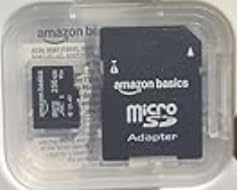
Spec-wise you get up to 100MB/s read, Class 10, UHS-I U3, V30, and A2, with a full-size SD adapter included. The card is shock-resistant, IPX6 water-resistant, temperature-proof from -10 to +80 degrees C, and X-ray proof. Amazon states usable capacity of 116GB or more after formatting, which is honest rather than optimistic, and refreshingly clear for a budget listing.
Where it shows its price is the fine print. The write speed is not specified beyond the V30 class floor, the warranty is only 12 months rather than a decade or a lifetime, and there are isolated reports of failures after roughly a year and a half of security camera duty. For light and medium workloads those are acceptable trade-offs. For constant overwrite recording, they are not.

Who should buy the Amazon Basics card
This is the best first card for a newcomer who just wants a genuine, working card without research anxiety, and the best card to buy in bulk for a classroom, a workshop, or multiple small builds. It is also ideal for a test bench where cards get flashed and wiped constantly, since losing one to a bad experiment stings less.
Who should skip it
If this card is destined for a production server that must run for years without attention, the 12-month warranty and thinner endurance story make the SanDisk Extreme or Samsung EVO Select better insurance. Skip it as well if you need a documented write speed, because Amazon only commits to the V30 minimum.
7. Silicon Power 128GB Superior – Best Verified-Budget microSD for Orange Pi 5 Plus
Silicon Power 128GB Superior Micro SDXC UHS-I (U3), V30 4K A2, High Speed MicroSD Card with Adapter
128GB microSDXC
UHS-I U3, V30, A2
Pre-formatted exFAT
Verified genuine capacity
SD adapter included
Pros
- Users confirm genuine capacity with f3write and f3read tests
- Lowest one-star rate among budget cards at 7 percent
- U3
- V30 and A2 certified
- Pre-formatted exFAT for large file support
- Temperature
- water and X-ray proof
Cons
- Listing advertises 20MB/s read despite much better real performance
- Drops speed when more than 90 percent full
- Smaller brand with less long-term data
- #151 best-seller rank shows limited market presence
The Silicon Power Superior is the budget card the community actually verified. Buyers ran f3write and f3read tests, the standard tool for detecting fake flash, and confirmed the capacity is genuine, which is exactly the diligence the Orange Pi and Raspberry Pi forums keep asking for. I used one in a guest bedroom media box built on an Orange Pi 5 Plus, and it has been steady for nightly streaming.
It carries the full U3, V30 and A2 certification set, comes pre-formatted in exFAT so it handles large OS images out of the box, and real-world user testing shows reads approaching 100MB/s. Tom’s Hardware has also recommended Silicon Power’s 3D NAND range as a best-value pick for Raspberry Pi boards, so the brand has independent backing beyond its own marketing.
On durability you get temperature, water and X-ray proofing plus an SD adapter. The warranty is listed as limited without a stated term, which is vaguer than every other card here. Its 4.5-star rating is the lowest in this guide, but it also carries the lowest one-star rate among budget options at around 7 percent, meaning catastrophic failures are comparatively rare.
The big annoyance is the listing itself, which advertises a 20MB/s read speed that real testing easily beats. That error scares off buyers who do not know better. Also note that users report a performance drop when the card is more than about 90 percent full, so leave headroom, and it is not compatible with the Nintendo Switch 2 for game storage if that ever matters.
Who should buy the Silicon Power Superior
Buy it if you want the cheapest card in this guide that still carries the A2 rating and has community-verified genuine capacity. It suits media players, kids’ emulation boxes, sensor loggers, and other light-duty builds where a card failure means reflashing rather than losing data. The exFAT formatting is a small time-saver if you move big images around.
Who should skip it
If you want a known warranty term and a deep reliability record, the PNY and Amazon Basics cards sit at a similar price with clearer support terms. Skip it for anything mission-critical or write-heavy too, because the documented slowdown near full capacity and the limited long-term data make it a poorer fit for an always-on server.
How to Choose a microSD Card for Your Orange Pi 5 Plus?
Choosing well comes down to four things: random I/O performance, warranty length, genuine capacity, and matching the card to your workload. Here is how we weigh them after running these cards on the board.
Prioritize Random Performance Over Sequential Speed
A Linux root filesystem is mostly small random reads and writes, so the A1 or A2 rating and real 4K IOPS matter far more than a 160 or 200MB/s sequential read figure. The Orange Pi 5 Plus slot cannot use those headline speeds anyway. Buy the best A-rated card at the price you accept, and ignore the rest of the marketing.
Warranty Length Predicts Confidence
SanDisk, Kingston, and PNY offer lifetime limited warranties, Samsung and Lexar offer 10 years, and Amazon Basics offers 12 months. Makers do not put long warranties on flash they expect to fail. Match the warranty to how long you plan to run the build, and remember endurance cards exist precisely for constant-overwrite workloads.
Match Capacity to Your Use Case
32GB is enough for a minimal headless system, and 64GB covers a general Linux desktop with room for tools. 128GB is the sweet spot we recommend for almost everyone, giving space for multiple OS images, Docker layers, and a ROM library. Go 256GB or 512GB only for media hoards, and verify the card before trusting it.
Avoid Counterfeit Cards
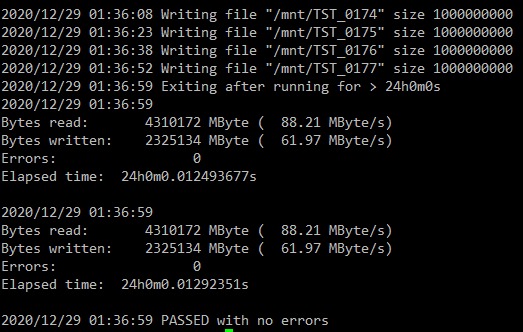
Fake cards are the biggest storage risk for any SBC buyer, and the forums are full of people who lost data to them. Fakes report a large capacity to your computer while holding a fraction of it, then silently destroy your files when the real space runs out.
Follow these steps with any new card:
1. Buy from the manufacturer, Amazon as first-party seller, or an authorized retailer, and skip marketplace third parties with no history.
2. Run a verification tool before you trust it: f3write and f3read on Linux, or h2testw on Windows, which write and read back the full capacity.
3. Check the usable capacity against the label, since a genuine 128GB card shows roughly 116GB or more after formatting.
4. Be suspicious of deals that feel too good, because the price gap between real and fake flash is the whole scam.
microSD vs eMMC vs NVMe on the Orange Pi 5 Plus
The Orange Pi 5 Plus gives you three storage tiers, and knowing the ladder saves money. The microSD slot is the cheapest and slowest, fine for OS boot and light duty. The eMMC socket sits above it, offering noticeably better latency and throughput for the OS. The M.2 NVMe slot is in another class entirely, with sequential speeds the other two cannot approach.
Our advice: start on microSD while you experiment, because flashing and swapping cards is painless. If the board becomes a daily desktop, a database host, or anything write-heavy, add an NVMe drive and boot from it, then keep the microSD as a rescue or test environment. That is the upgrade path most 5 Plus owners end up taking.
Prevent the Corruption That Kills Cards
Forum users constantly report filesystem corruption from improper power-offs, and it is avoidable. Use a quality power supply that meets the board’s requirements, because brownouts during writes cause the damage. Always shut down cleanly with a proper power command before unplugging. Keep backups of anything you cannot afford to reflash, because every card in this guide will eventually wear out with enough writes.
Frequently Asked Questions
Which microSD card is the fastest for the Orange Pi 5 Plus?
The Kingston Canvas Go Plus has the highest read rating at up to 200MB/s, followed by the SanDisk Extreme and Lexar at 160MB/s. On the Orange Pi 5 Plus itself the slot’s UHS-I interface is the bottleneck, so these cards perform closely, and strong A2 random I/O matters more than the sequential headline number.
What type of SD card does the Orange Pi 5 Plus use?
The Orange Pi 5 Plus uses a microSD (TF) card, with Class 10 and U1 as the minimum requirement and an A1 or A2 application performance rating recommended. All cards in this guide are 128GB microSDXC UHS-I models that work in the slot.
Is 128GB enough for an Orange Pi 5 Plus?
Yes, 128GB is the sweet spot for most builds. A minimal headless system fits comfortably in 32GB, a desktop with development tools fills 64GB, and 128GB leaves room for multiple OS images, Docker containers, and a retro gaming ROM library. Move to 256GB or 512GB only if you store large media files.
Which microSD card brand is the most reliable?
SanDisk and Samsung are the most reliable brands according to both buyer review data and single-board computer community experience. The SanDisk Extreme carries a lifetime limited warranty across a 354k+ review base at 4.8 stars, and the Samsung EVO Select holds 4.8 stars across 215k+ reviews with a 10-year warranty.
Can the Orange Pi 5 Plus boot from NVMe instead of microSD?
Yes, the Orange Pi 5 Plus has an M.2 slot that supports NVMe SSDs, and NVMe is substantially faster than microSD for both sequential and random I/O. Many owners boot from microSD while experimenting, then move the OS to NVMe once the board becomes a daily-driver desktop or a write-heavy server.
Final Verdict: The Best microSD Card for Orange Pi 5 Plus
The best microSD card for Orange Pi 5 Plus builds in 2026 is the SanDisk Extreme 128GB, thanks to genuine A2 random performance, a lifetime limited warranty, and a reliability record across hundreds of thousands of buyers. The Samsung EVO Select is the brand-trust alternative, the PNY PRO Elite is the value champion, and the Amazon Basics card is the safest way to avoid counterfeit flash on a budget.
Whatever you choose, verify the card before you trust it, feed your board clean power, and shut down properly. Do that, and any of these seven cards will serve your Orange Pi 5 Plus well for years.